Probably, the very existence of esports is no longer a surprise to anyone. More and more people even start taking it completely seriously. Actually, some people have started taking it so seriously that the first Olympic Esports Games have been announced and will be held in 2 years. And that’s well deserved.
Not only esports has emerged on the global entertainment map. It has become a legit part of the global sports landscape. Although, it would be more precise to say – took it by storm! Now, you have esports tournaments, esports betting, and the entire multibillion esports industry.
So how does it look today? What are the major tournaments, the most popular games, and the main players? We address these questions and touch some other details below.

Major Esports Tournaments and Events
The evolution of esports tournaments has been nothing short of meteoric. What once began as underground LAN battles in dimly lit basements has exploded into global esports events like The International, the League of Legends World Championship, and the Fortnite World Cup. The prize pools are massive, the fanbase is electric, and the production quality? Netflix-tier.
Adding to the scale are new international circuits and cross-regional esports leagues that bring together top talent from around the globe. Events like Valorant Champions Tour and PUBG Global Championship offer year-long formats with multiple qualification tiers, drawing in both fresh talent and loyal fanbases. These structures are pushing competitive standards even higher while giving aspiring pros more opportunities to break into the big leagues.
The Most Popular Esports Games
As you can probably imagine, esports offers quite a large amount of games, activities, and tournaments due to its very nature. These are virtual sports, after all. And this is what basically defines the industry – variety. Not just in the games themselves, but in the playstyles and cultures surrounding them.
This sometimes places esports close to other industries, like igaming. Gambling enthusiasts are often well familiar with the former and vice versa. So, after a few intense rounds in CS:GO, they might check out what Cazeus casino has to offer.
Now, here’s a look at a few of the popular games dominating the scene:
RELATED ARTICLES


- League of Legends esports: tactical, fast-paced, and teamwork-heavy. Riot’s baby still reigns supreme across Asia and the West.
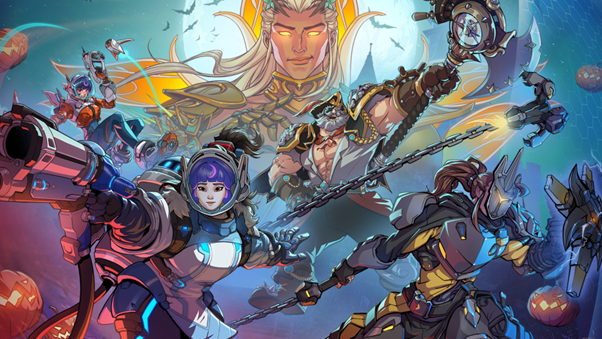
- Overwatch esports: Blizzard’s team shooter redefined the hero-based format, and though the OWL has had its ups and downs, the energy’s still there.
- Fortnite esports: love it or loathe it, Fortnite proved that a battle royale could be both casual-friendly and fiercely competitive.
- Dota 2 esports: with prize pools in the tens of millions, Dota’s annual “The International” remains the pinnacle of high-stakes team strategy.
And that’s not all. We’re seeing the rise of virtual sports, crossovers with mobile gaming, and a surge in indie titles finding niche tournament ecosystems.
Star Power: Key Players and Teams
The faces behind the screens are just as compelling as the games themselves. Maybe, they haven’t reached the popularity of LeBron James and Cristiano Ronaldo yet, but they’ve become role models to millions already! Legendary figures like Faker in League of Legends, and Bugha in Fortnite are prominent names within the scene. These players not only excel mechanically but often set the meta, influencing how millions play the game.
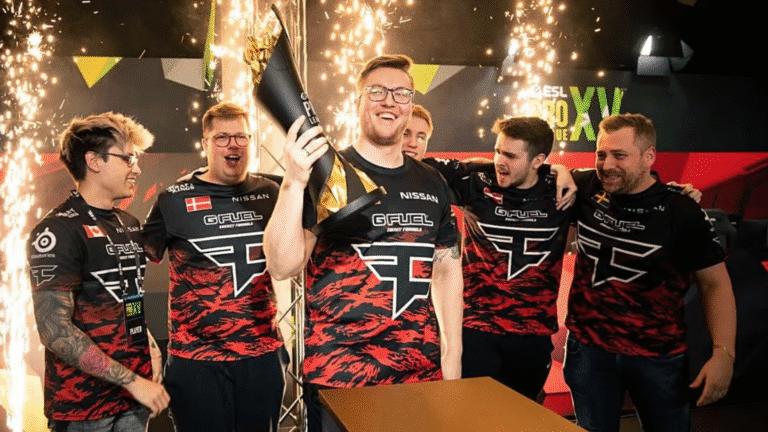
It’s not just individuals making waves – esports teams like Fnatic, G2 Esports, and Evil Geniuses bring deep rosters, advanced analytics, and coordinated branding that rivals traditional sports franchises. Their presence is global, and many run training facilities that mirror Olympic prep centers in their intensity and structure.
As the field continues to professionalize, expect more structured scouting, academies, and crossovers with traditional sports entities. Already, we’re seeing NBA teams invest in gaming divisions, with the lines between conventional and competitive digital sports blurring more than ever.
Esports vs. Traditional Sports: Who’s Winning?
It’s not a question of if, but when their viewership overtakes traditional sports in key demographics. Gen Z is already showing more interest in gaming competitions than in baseball or golf. That’s not anecdotal – it’s backed by the analytics.
Where traditional sports have been slow to evolve, esports leagues are inherently digital, instantly global, and deeply interactive. Want to vote on in-game events, unlock real-time stats, or even chat with the players mid-match? Yeah, esports has been doing that since day one.
And while traditional athletes may train for years, the average young gamer can start streaming, competing, and ranking up today. This accessibility has opened up countless esports career opportunities – from analysts and shoutcasters to brand managers and event producers.
What’s Next?
As the market matures, more professional frameworks are being adopted. Expect player unions, health benefits, media rights deals, and more structured amateur leagues in the near future.
The conversation around the Olympics will continue. Whether it becomes a medal event or remains a cultural showcase, esports is undeniably part of the global athletic narrative now. You cannot stop progress, right? And this industry is definitely a result of it.
And yes, with increased legitimacy comes scrutiny. Issues like burnout, online harassment, and monetization models are ongoing challenges. But make no mistake – the foundation has been laid. The digital coliseums are only going to get louder.
Final Thoughts
Esports isn’t about the future – it’s about what’s been happening for a while now. From basements to billion-dollar arenas, the gaming community has evolved into a cultural phenomenon, blending entertainment, sports, and tech in a way that no other industry can match.
So, whether you’re tuning in for the drama, betting on your favorite squad, or grinding to go pro – welcome to the arena. It’s game time.
RELATED ARTICLES