Surprise Sports readers know that big games are never just about the 90 minutes anymore.
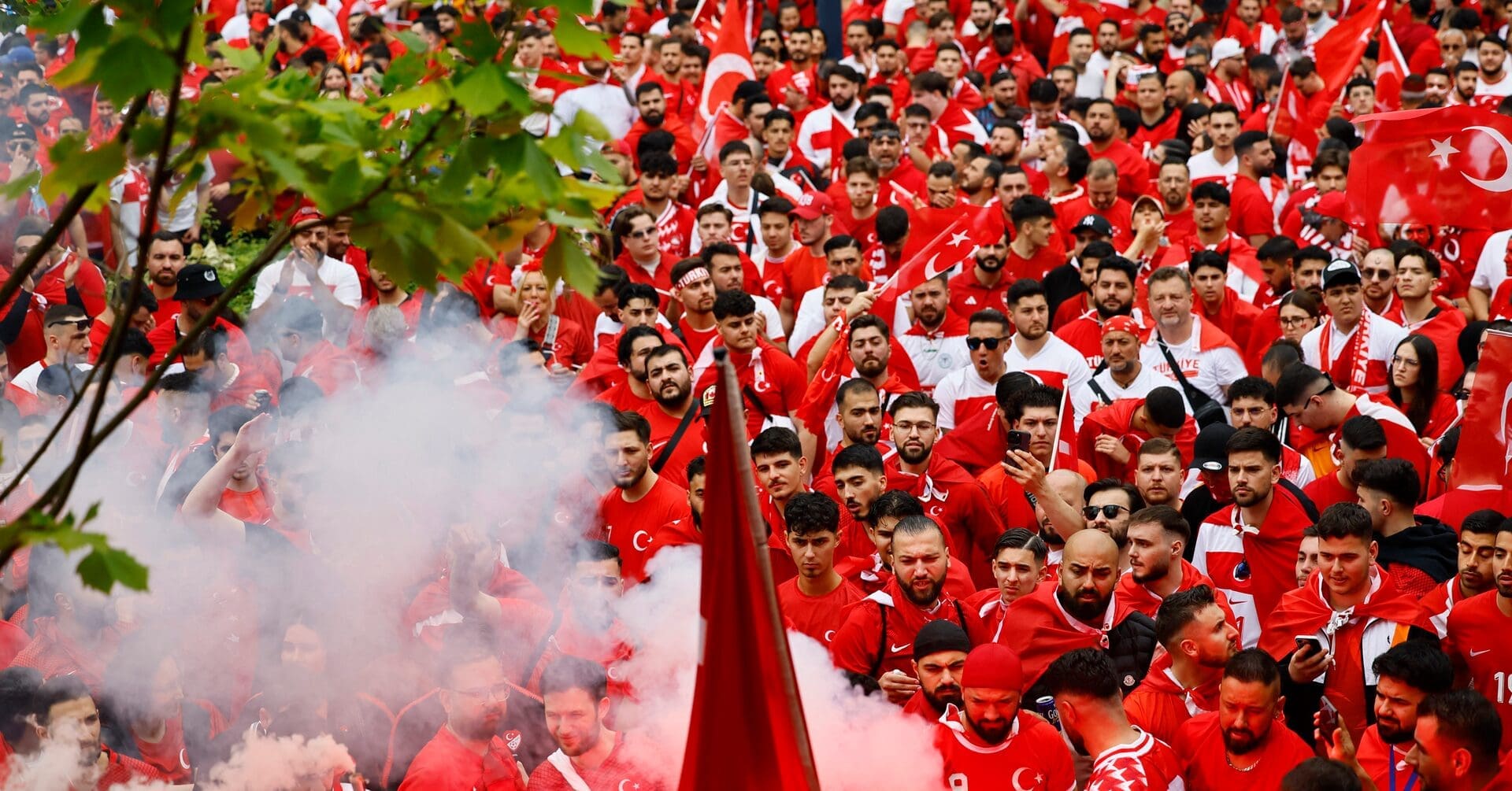
Turkish fans prove that better than most: surveys show around 73% of Turks are interested in football, and 69% said they cared about Euro 2024, with many planning to watch as many games as possible.
Viewing is increasingly multi screen, with 60% watching on TV and nearly half also using streaming apps or online platforms during the tournament.
As screens multiply, so do side activities. Social feeds, fantasy talk, and quick hit games all compete for attention between kick off and full time, even while the country tightens its stance on illegal betting.
How Turkish Fans Watch Big Events
Recent Euro 2024 surveys paint a clear picture of match‑day habits. For most fans in Türkiye, football is about watching and supporting, not playing: 90% follow the sport primarily on TV and 63% track it online, while only about 22% say they actually play regularly.
During major tournaments, that support turns into a full routine built around screens. Many fans:
- Watch on home TV or giant public screens in city squares and fan zones
- Use streaming apps and YouTube on smart TVs and phones as a second feed
- Scroll live stats, memes, and replays on social media while the game is on
Younger supporters lean even more toward online viewing, with a significant share planning to use apps and mobile devices as their main window on the tournament.
For them, the phone is both the remote and the controller, handling chat groups, highlight clips, and side games in the same place.
Second Screens And Side Games
That multi screen setup naturally opens the door to quick gaming between whistles. Global research on sports fandom shows that fans are comfortable mixing live coverage with digital distractions, from fantasy tweaks to instant result checks and casual games.
In Türkiye, mobile gaming has exploded alongside this behaviour. Market reports estimate that more than 40 million people now play mobile games, and mobile makes up the majority of game revenue.
Casual titles that fit into a timeout or half time window do especially well, including simple physics based experiences where you tap, drop, or swipe your way through a few rounds, exactly the kind of light, drop‑and‑bounce gameplay that makes something branded like Plinko oyna an easy way to kill a few minutes without losing track of the match.
RELATED ARTICLES


Betting, Crackdowns, And Fan Behaviour
Match day gaming in Türkiye cannot be separated from the country’s aggressive stance against illegal gambling.
In 2025, regulators launched a nationwide crackdown targeting unauthorised online betting, payment networks, and offshore operators, backed by a detailed 2025–2026 action plan published in the official gazette.
Authorities have gone after the financial rails that fed black market betting, suspending licences of popular digital wallets like PayFix, Aypara, and Ininal during investigations and accusing some fintech firms of enabling unlicensed networks.
Payment companies are now expected to beef up monitoring for suspicious patterns—clusters of small transfers, repeated crypto payouts, and other red flags—and risk heavy sanctions if they do not.
For ordinary fans, the message is clear: legal, regulated betting is tightly constrained, and using grey market apps can mean frozen accounts or worse.
That pressure nudges many supporters toward either licensed, highly controlled products or low stakes, entertainment‑only gaming around big sports nights.
What Fans Actually Do During Games
Put together, surveys and policy moves suggest a split in how Turkish supporters handle their phones on match day.
On one side are those who still place some bets, often small, often through whatever regulated channels are left, sometimes shifting to fantasy or prediction style products that are marketed as games of skill. On the other are fans who rely more on:
- Casual mobile games and quick puzzle apps between halves
- Social media, memes, and live chat groups
- Fantasy contests and score prediction games that mimic betting without traditional wagers
In both cases, the second screen is now a permanent part of the viewing ritual, nearly as important as the TV broadcast itself.
The Line Between Fun And Risk
From an ethics point of view—something Surprise Sports explicitly highlights in its content guidelines—there is a difference between using games to enhance a big night and letting wagers dominate it.
Public health research and European football scandals alike show how easily betting can spill over from light fun into compromised integrity, debt, and stress when limits disappear.
Turkey’s current strategy treats fintechs, platforms, and media outlets as key players in preventing that slide.
Officials have signalled that companies which help filter or block illegal gambling payments will be rewarded with legitimacy, while those that look the other way face fines, licence pulls, or being cut off from the banking system.
For fans, the safest version of “gaming choice” during major sporting events looks simple: keep bets small and legal if you make them at all, treat casual games as background fun, and remember that the real story is still on the pitch or court.
If the second screen starts to feel more important than the match, that is a good sign it is time to put the phone down and go back to the reason everyone showed up in the first place—the sport itself.