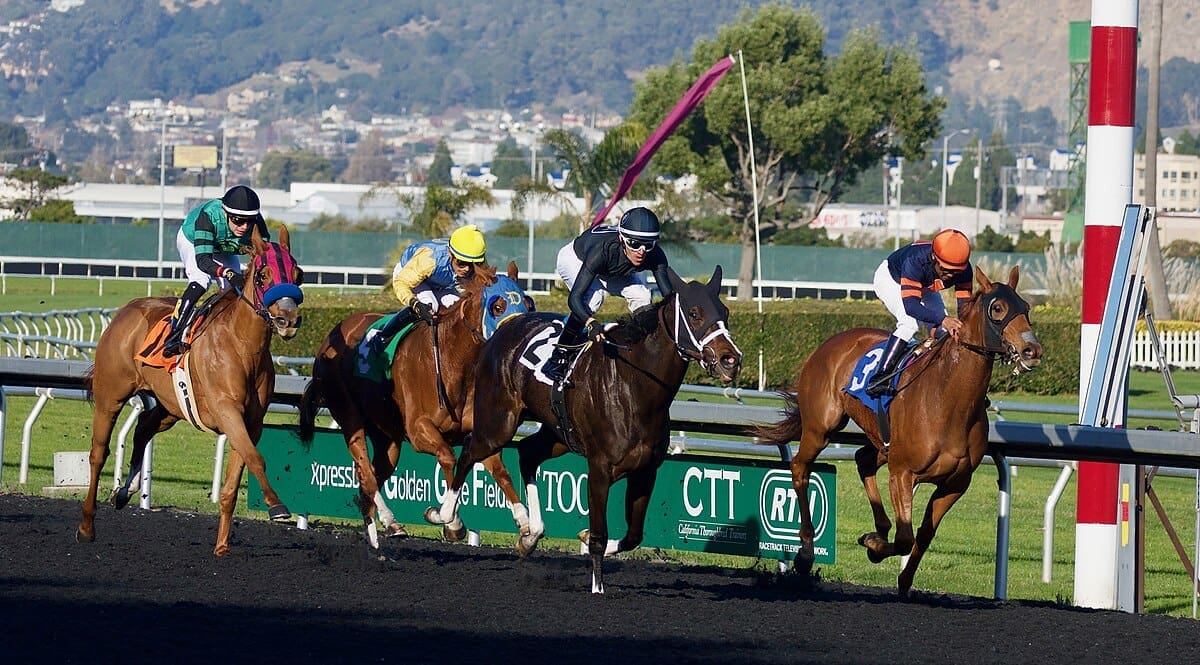
New to horse racing? Learning how to read the track is an invaluable skill to develop. It may sound technical, but it’s simpler than you think. By understanding the track layout, conditions, and barriers, you’ll find race day easier and more enjoyable.
This guide simplifies everything using clear language, making it easy for beginners to grasp the features of Australian racecourses.
Why understanding a racing track matters
Understanding how a track works instantly makes race day feel less confusing. Instead of watching a group of horses run in a big circle, you start recognising why the field spreads out, why some runners save ground while others loop wide, and how the race changes at different sections of the course. When race callers mention things like “the rail is out three metres today” or “the inside is chopping out,” you’ll finally know what they mean.
The basics: what makes up a horse racing track
Most Australian tracks have an oval shape, but that’s only the beginning. Some are tight like Moonee Valley, where horses corner sharply, and leaders often dominate. Others are more spacious, like Flemington, with long straights that give backmarkers room to unwind.
Understanding the home straight helps you picture where the finish happens, while the back straight is where horses settle into rhythm and jockeys plan their moves. The turns also play a significant role. Tight turns can shift a horse off balance or trap wide runners, while big sweeping bends allow smoother, more controlled movement.
Track surfaces: what they mean and why they matter
Australia primarily races on turf, but the condition of that turf can change dramatically depending on the weather. A firm track on a dry day plays quickly and suits horses with speed. Add rain, and things suddenly shift: a soft track has more give, which slows the race slightly, while a heavy track is waterlogged and turns the race into an actual test of stamina.
Synthetic tracks are becoming more common for training and midweek racing. These surfaces are designed to be consistent, regardless of the weather, so you rarely see dramatic changes from one day to the next.
RELATED ARTICLES


Barriers and starting points
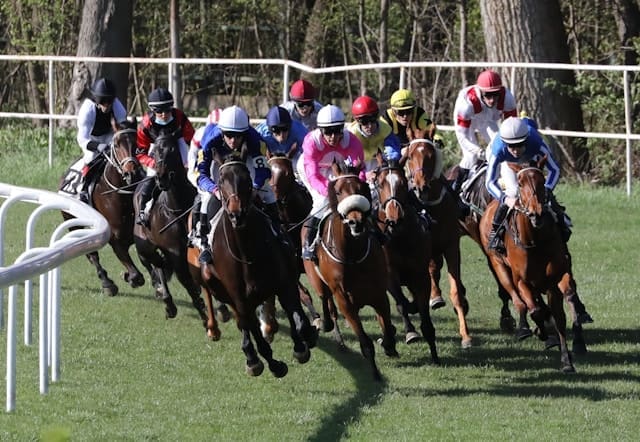
Tracks have different starting points for other distances, and this shapes the importance of barrier draws. A 1200-metre sprint might jump on a long chute, giving wide runners more time to find a position. A 2000-metre start might be positioned near a bend, which makes inside barriers far more desirable.
Lower numbers take a shorter trip along the rail, while higher numbers sit wider and may require extra effort early to avoid being caught deep. Once you understand how a particular track is laid out, barrier numbers start making much more sense.
Understanding track bias
Track bias is simply the idea that some parts of the track can be faster than others on a given day. Sometimes the rail, the inside lane, is the best place to be early in the meeting, then becomes slower as more horses run over it.
On other days, the outside lanes provide better traction, which means the swoopers coming down the middle have the advantage. Bias can shift race by race depending on the weather, how far the rail is moved out, and how worn the track becomes. Once you start noticing it, you’ll see how often jockeys adjust their tactics to match the changing conditions.
Weather and how it affects the track
Weather plays a bigger role in racing than most beginners expect. Rain can soften the surface quickly, altering footing and slowing the pace. Wind direction is also crucial; if the field is running into a strong headwind down the straight, leaders can tire much sooner, giving backmarkers a chance to swoop.
On sunny days, tracks can dry rapidly and become firmer, typically resulting in faster times. Understanding weather patterns helps you predict how a track might play before the first race, even jumps.
Using the odds
The odds generally represent who the bookies think will have the most favourable outcome at a race. When they do their calculations to get to this idea, they factor in how horses performed on the track previously.
This is why checking the odds is a wise move. It can give you an idea of which horses may fare well on the given track for that race. You can get the latest betting odds on today’s horse racing with Betcha, an online bookie that provides you with reliable data on the upcoming races.
Final thoughts
Learning how to read a horse racing track isn’t complicated; it just takes a little guidance and some hands-on practice. Once you understand the layout, turns, surface, weather and map, the whole sport becomes easier to follow and far more enjoyable. With a bit of repetition, you’ll quickly feel comfortable reading any track across Australia.