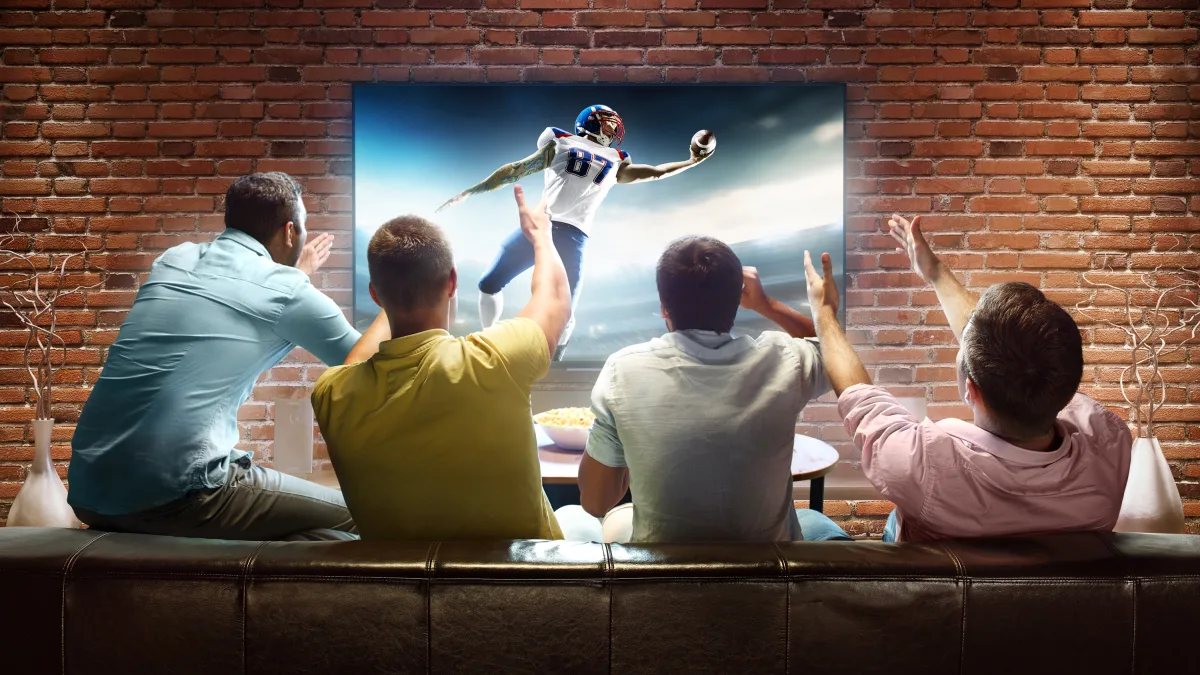
Every year, the Super Bowl isn’t merely the final football game of the season; it’s a major cultural event. The halftime show and the commercials people chat about have made the Big Game attract huge audiences across different platforms.
However, people’s viewing habits of the Super Bowl have been changing dramatically lately. It used to be that the Super Bowl was watched almost exclusively on traditional broadcast and cable television, but now the event is broadcast in a media landscape that is constantly evolving, where streaming platforms are gaining greater significance.
Here, we analyze how people watched the biggest annual sporting event in America and what implications this has for the future of television.
With the rise of digital Super Bowl viewership and online sports betting, fans are engaging with the Big Game even more, you can trust Offshore Sportsbooks with their list of overseas betting sites for safe and reliable wagering options.
The Lion’s Share Still Comes from Traditional Broadcast
Traditional TV, particularly the broadcast networks, remains a fundamental source of Super Bowl viewership despite the growing popularity of streaming.
FOX’s broadcast for Super Bowl LIX alone drew an average of 127.7 million viewers across cable and broadcast signals, which is the highest number of viewers that any U.S. television telecast has ever had.
These figures cover the main FOX channel, FOX Deportes, and Telemundo, so real-time viewers could watch the game in different languages and demographics.
The supremacy of broadcast is not a coincidence. The Super Bowl is among the very few events that still attract large simultaneous audiences, which advertisers highly value.
For a lot of homes, it is a tradition of sorts to simply turn on the TV and watch with friends and family.
And since broadcast does not require an internet connection or a subscription, it is still the first choice not only for casual viewers but also for large social gatherings.
Cable Holds Ground—but Faces Pressure
Cable television was the main source of sports broadcasting for years and still plays a significant role in Super Bowl viewership, though the nature of its contribution has changed.
Cable channels can offer game-day analysis, Spanish-language feeds, and ancillary programming that attract dedicated sports fans.
During the measurement periods for February television viewing from the East Coast to the West Coast, cable was still responsible for a large part of the total watch time, almost as much as broadcast alone when combined.
That is, cable’s total share of viewing hours is increasingly being taken over by streaming alternatives.
RELATED ARTICLES


As the audience gradually moves away from cable, and/or supplements their viewing with internet-based services, the cable’s role continues to be marginally diminished, save for special events like the Super Bowl.
Streaming Makes Significant Strides
Streaming has been the key driver of a gradual shift in viewers’ habits when it comes to watching television, and the Super Bowl hasn’t been immune either. For Super Bowl LIX, streaming platforms managed to pull in the largest audience ever.
FOX’s ad-supported streaming service Tubi attracted a whopping 13.6 million viewers for the live simulcast alone, making it the biggest Super Bowl stream ever measured to that date.
After adding authenticated streams from other apps and services, the total streaming audience reached approximately 14.5 million viewers.
Industry data reveal that streaming accounted for around 43.5 percent of all TV viewing in February during the Super Bowl.
This figure is just a whisker away from the combined market share of traditional broadcast and cable. It is quite surprising, given that ten years ago, streaming was a platform for only a few live sports enthusiasts.
Viewer surveys also corroborate the above-mentioned trends. Some polls show that more than one-third of those surveyed said that they intended to stream the Super Bowl instead of watching it on traditional TV plus the figures are going up consistently year after year.
Why Streaming Is Growing
Several reasons have led to streaming becoming more popular for live events like the Super Bowl. The first is accessibility: ad-supported platforms like Tubi provide live streams without a subscription, thus casual fans scarcely face any barrier.
Besides, some people might access through authenticated apps that are linked to their cable or streaming bundles.
The idea of watching on different devices, TVs, laptops, and phones is another point that appeals to the younger generations who are not so deeply attached to the traditional living room setup.
Additionally, streaming attracts a different kind of involvement. In addition to the live view, a lot of streamers watch the highlights again, share the videos on social media, or even stream multiple feeds (for example, different camera angles) at the same time.
These are the behaviors that traditional linear TV has more difficulty in facilitating. Some studies show that although streaming viewers may spend less uninterrupted time during certain segments (like halftime), they become more involved in those moments afterwards.
A Hybrid Reality: Multiple Ways to Watch
What is clear is that people no longer watch the Super Bowl in just one way. For a lot of people, it is still a communal TV event as they just watch the broadcast or cable.
If you consider viewers who are younger and more tech-savvy, then streaming is probably their favorite choice. And more and more people combine these experiences, watching the game on the big screen while following Offshore Sportsbooks odds on a second screen.
This combination situation is a mirror of the general trend of changing media consumption. Streaming used to be a mere add-on, but now it is a real competitor to traditional TV, especially for live events.
With streaming services constantly upgrading and perfecting their live experiences, and with traditional media owners pouring more money into digital, the dividing line between TV and streaming will grow even blurrier.
Looking Ahead: What’s Next for Super Bowl Viewership?
The Super Bowl broadcast probably always remains the biggest event for traditional TV ratings. However, we keep seeing an undeniable shift in how sports fans consume live sports due to the growing popularity of streaming.
Therefore, the number of viewers watching the Super Bowl through digital platforms will likely increase in the future.
This is not only because streaming technology development results in stream reliability that is on par with or even better than the broadcast, less lag than the broadcast, but also the availability of better interactivity features.
In the end, it doesn’t really matter whether the audience chooses cable, broadcast, or a streaming service; they are all making a cultural moment that is shared.
Super Bowl, without a doubt, is the event that can still draw millions of people at the same time, no matter how they watch.