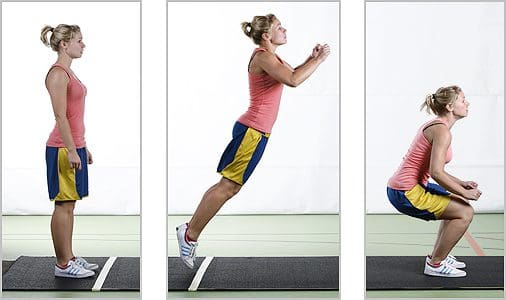
Athletes ask a lot of their bodies. Repeated strides, jumps, pivots, throws, and lifts add up, especially when training stays steady year-round. Over time, many athletes start paying closer attention to how their joints feel from one week to the next.
Not because something is “wrong,” but because comfort and ease of movement can make practice feel smoother and more sustainable.
The good news is that support does not have to be complicated. Most of the habits that help athletes maintain joint comfort are simple, repeatable, and built around fundamentals: smart movement, good preparation, and recovery-friendly routines that are realistic in the middle of a busy schedule.
Below are five natural, athlete-friendly ways people support joint comfort without turning their routine into a science project.
1. Move more, but load smarter
Joint comfort is closely tied to how an athlete trains, not just how often they train. Two athletes can follow the same weekly schedule and have very different outcomes depending on how they manage load, variety, and technique.
A common mistake is repeating the same movement patterns with the same intensity week after week. Even if a movement is “good,” constant repetition can create that worn-down feeling simply because the body is being asked to do the same thing over and over.
A smarter approach is to keep the work steady while rotating the stress.
- Vary the surface and modality. If you run, mix in grass or track days. If you lift, alternate barbell work with dumbbells or cables.
- Spread impact. If your sport already includes lots of jumping or hard cuts, balance it with sessions that emphasize control and mechanics.
- Use range intentionally. Sometimes slightly shorter ranges feel better during high-volume phases, while full range work fits well in strength phases.
- Respect form under fatigue. Many nagging issues start when technique slips late in the session.
It also helps to plan lighter weeks on purpose. A deload week is not “falling off.” It is a way to keep training consistent over months instead of crashing and restarting. Athletes often find that their bodies feel better when they treat lighter weeks as part of the plan, not as a last resort.
2. Build warm-ups that actually prepare the joint
Some athletes “warm up” by doing a few quick stretches or jogging for two minutes. Others treat warm-ups like a second workout and end up tired before the main session begins. The sweet spot is a warm-up that prepares tissue and movement patterns without draining energy.
The most effective warm-ups tend to follow a simple sequence:
- Increase temperature: an easy bike, brisk walk, light jump rope, or gentle cardio for 3 to 5 minutes.
- Mobilize key areas: hips, ankles, thoracic spine, shoulders, depending on the sport.
- Activate and pattern: glute bridges, band walks, scapular work, single-leg balance, or light technique drills.
- Rehearse the main movement: a few practice reps at an easy level before the work sets begin.
The goal is to arrive at the first working set already feeling coordinated. When the body is prepared, movement often feels smoother, which can support comfort across the session.
Warm-ups also help athletes notice early signals. If something feels tight or off, they can adjust the day’s plan before it becomes a grind.
That might mean lowering the load, swapping a movement, changing the order of exercises, or choosing a technique-focused session instead of forcing intensity.
3. Strengthen the support system around the joint
For athletes, strength training is not just about numbers in the gym. Done well, it supports the muscles and movement patterns that help joints handle repeated work.
RELATED ARTICLES

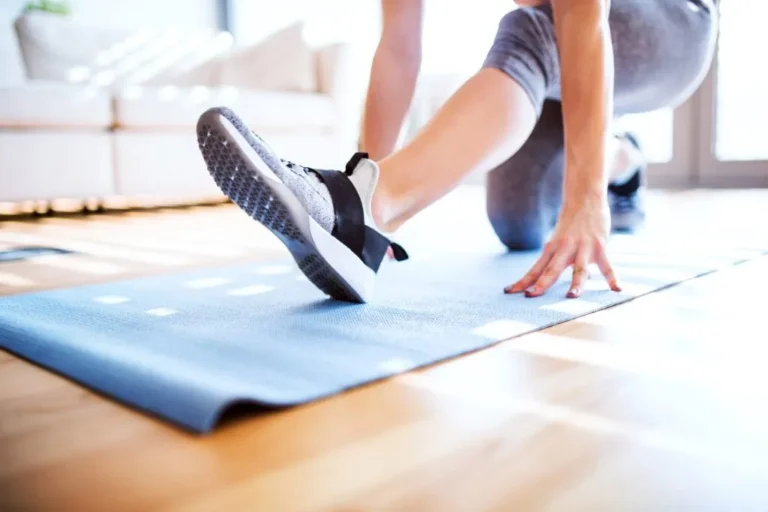


The key is to train strength with control, not ego.
A few practical ideas:
- Prioritize single-leg work. Split squats, step-ups, and single-leg hinges build stability and control that transfers well to sport.
- Train the posterior chain. Strong glutes and hamstrings often support cleaner mechanics in running, jumping, and cutting.
- Include rotational and anti-rotation work. Core training is not just crunches. Carries, chops, and controlled rotation can help athletes feel more stable through movement.
- Use tempo. Slower lowering phases can build control without requiring heavy load every session.
Strength work does not need to be maximal to be useful. Many athletes do better when they spend more time in moderate ranges and focus on clean reps. Heavy work has its place, but it should be earned and it should be paired with recovery-friendly weeks.
4. Support recovery with the basics: sleep, hydration, and food consistency
Recovery has a reputation for being fancy. People talk about gadgets, cold plunges, and complex “stacks.” The truth is that the basics tend to do most of the work.
Sleep
Sleep is where the body does a lot of its maintenance. Athletes who keep a consistent bedtime and wake time often notice their training feels more manageable across the week. It is not about chasing perfect sleep. It is about building a routine that makes quality rest more likely.
A few realistic habits that help:
- Dim screens and bright lights before bed when possible.
- Keep a short wind-down ritual, even if it is only ten minutes.
- Set up the room for rest: cooler temperature, minimal clutter, and as little noise as you can manage.
- Treat bedtime as part of training, not an afterthought.
Hydration
Hydration supports how the body feels during training. Small dehydration can make sessions feel more taxing than they need to be. Many athletes do better when they treat hydration as something they do all day, not just during workouts.
A simple approach is to drink consistently and check in with yourself before practice. If you start a session already behind, it is harder to catch up.
Food consistency
Athletes often notice comfort and performance feel steadier when meals are consistent. That does not mean rigid. It means enough protein, a variety of colorful foods, and steady energy intake across training weeks. When the body is consistently fueled, training tends to feel more predictable.
5. Include low-impact conditioning and calming wellness tools that fit the routine
A lot of athletic conditioning is high-impact by default. That can be appropriate, but it does not need to be constant. Many athletes support joint comfort by balancing impact-based work with low-impact conditioning that still improves fitness.
Examples include:
- Cycling
- Rowing
- Swimming
- Elliptical
- Sled pushes or pulls
- Incline walking
These options allow athletes to build capacity without stacking extra impact on top of sport practice or lifting. They can also be useful on days when an athlete wants to move but prefers a gentler session.
Alongside conditioning, many athletes benefit from calming wellness habits that make the whole week feel less chaotic. Think breathwork, light stretching, mobility flows, or a few quiet minutes away from constant stimulation. None of these need to be dramatic. The value comes from repetition.
Some athletes also include hemp-derived products as part of a broader wellness routine, particularly when they prefer simple, travel-friendly options. If you like a capsule format, you might look at the CBD softgels from Joy Organics because they fit neatly into an existing routine without requiring extra steps.
If you choose to add anything new, the best approach is consistency and simplicity. Keep the rest of the routine steady, pay attention to how you feel, and avoid changing ten variables at once. When everything changes at the same time, it is hard to know what is actually helping.
Putting it together: a simple weekly template
Most athletes get the best results from routines they can repeat. Here is a simple framework that combines all five strategies without becoming overwhelming:
- Before sessions: 8 to 12 minutes of a targeted warm-up (temperature, mobility, activation, rehearse).
- Training plan: rotate movement patterns, manage load, and build lighter weeks into the calendar.
- Strength work: focus on control, single-leg stability, and balanced posterior chain work.
- Conditioning: 2 to 3 low-impact sessions that build capacity without extra impact.
- Daily basics: consistent meals, steady hydration, and a real bedtime routine.
- Calm add-ons: one or two wellness practices that feel sustainable, like breathwork or a short stretch session.
This kind of framework keeps the focus on fundamentals. It also gives athletes room to adjust based on season, schedule, and how their bodies feel.
A final note on expectations
Joint comfort is rarely about a single trick. It usually comes from a collection of small decisions repeated over time. Athletes who stay consistent with smart loading, warm-ups that prepare the body, balanced strength work, low-impact conditioning, and recovery basics often find that training feels smoother.
If you are exploring wellness products as part of that bigger picture, keep the approach grounded. Choose options that fit your routine, avoid hype, and give your habits time to work together. For athletes who like a capsule format, CBD softgels by Joy Organics can fit neatly into a wellness routine when the focus stays on consistency.
RELATED ARTICLES