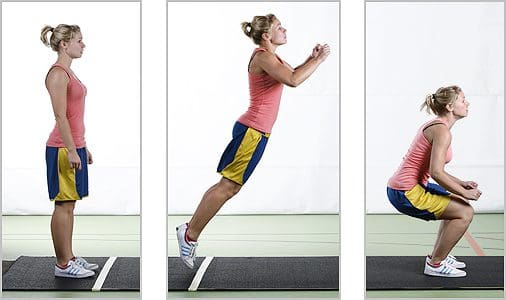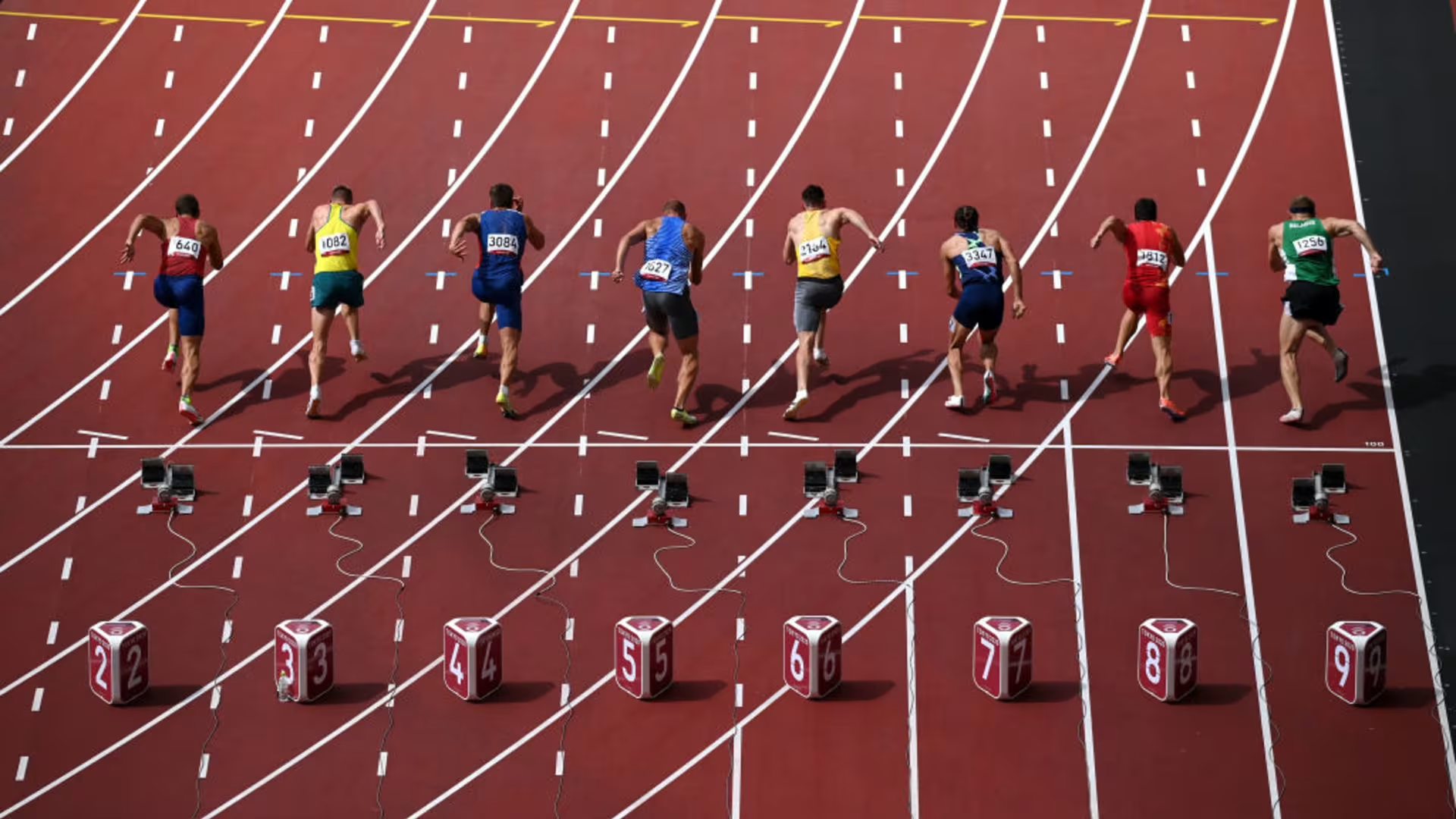
The 50-meter sprint test is one of the most used tests for checking how well athletes can speed up and reach top speed.
This simple but useful test gives coaches, trainers, and athletes good data about explosive power, running form, and speed endurance—key skills for many sports.
Purpose and Applications
The primary objectives of the 50-meter sprint test include:
- Measuring initial acceleration capacity
- Evaluating maximum running velocity
- Assessing speed maintenance over short distances
- Establishing baseline speed metrics for training program design
- Tracking progress during speed development training
This assessment holds particular relevance for:
- Track and field athletes (especially sprinters)
- Team sport athletes (soccer, rugby, football, basketball)
- Physical education evaluation
- Fitness testing batteries
- Talent identification programs
Equipment Requirements
To properly administer the 50-meter sprint test, you’ll need:
- Measuring tape or marked track (with clear start/finish lines)
- Timing system (electronic timing gates preferred, stopwatch acceptable)
- Cone markers (to clearly designate start and finish positions)
- Flat, clear surface (minimum 70 meters to allow for acceleration and deceleration zones)
- Recording sheets (to document results and testing conditions)
- Wind gauge (optional but recommended for outdoor testing)
Testing Protocol
Pre-Test Procedures
- Explain the test protocol thoroughly to participants
- Conduct appropriate health screening and obtain informed consent
- Record baseline information (age, height, weight, gender, testing conditions)
- Mark the testing area clearly with visible start and finish lines
- Allow for a comprehensive warm-up including:
- 5-10 minutes of light jogging
- Dynamic stretching
- Mobility exercises focusing on hip and ankle mobility
- 3-4 progressive acceleration runs (50-70% effort)
- 2-3 practice starts at submaximal intensity
Test Administration
Starting position:
- Standing start (no crouch start permitted)
- One foot positioned ahead of the other
- Front foot placed behind starting line
- Hands must not touch the ground
- Body should be still and ready before the starting command
Starting command:
- Starter provides “Set” command (athlete assumes ready position)
- After a brief pause, “Go” command initiates the sprint
- Timing begins with first movement or when starting gate is triggered
Sprint execution:
RELATED ARTICLES

- Athlete accelerates maximally from standing position
- Maintain maximum speed through the entire 50-meter distance
- Run in a straight line within designated lane
- Maintain effort through the finish line
Finishing:
- Timing stops when chest crosses finish line or timing gate is triggered
- Allow adequate deceleration zone beyond finish line
- Record time to nearest two decimal places (e.g., 7.24 seconds)
Administration Guidelines
- Provide two attempts with full recovery (3-5 minutes) between trials
- Record the best time achieved across both attempts
- Ensure consistent starting procedures across all participants
- If using a stopwatch, the timer should position themselves at the finish line
- For maximum accuracy, utilize electronic timing gates at both start and finish
Performance Standards
General Population Norms (seconds)
| Rating | Male (18-25) | Female (18-25) |
| Excellent | < 6.2 | < 7.2 |
| Very Good | 6.2 – 6.7 | 7.2 – 7.7 |
| Good | 6.8 – 7.3 | 7.8 – 8.3 |
| Average | 7.4 – 7.9 | 8.4 – 8.9 |
| Below Average | 8.0 – 8.5 | 9.0 – 9.5 |
| Poor | > 8.5 | > 9.5 |
Sport-Specific Standards
Track and Field (Elite):
- Male sprinters: 5.4-5.9 seconds
- Female sprinters: 6.2-6.7 seconds
Soccer:
- Male professional: 6.0-6.5 seconds
- Female professional: 7.0-7.5 seconds
American Football:
- Wide receivers/defensive backs: 5.8-6.3 seconds
- Linebackers/running backs: 6.2-6.7 seconds
- Linemen: 6.8-7.5 seconds
Rugby:
- Backs: 6.0-6.5 seconds
- Forwards: 6.5-7.2 seconds
Factors Affecting Performance
Technical Factors
- Starting technique: Proper body lean and weight distribution
- Arm action: Efficient arm swing with proper elbow angles
- Stride length and frequency: Optimal combination for maximal velocity
- Running posture: Upright position with slight forward lean
- Foot placement: Mid-to-forefoot striking for maximum propulsion
Physical Factors
- Fast-twitch fiber percentage: Higher percentages correlate with better sprint times
- Muscular strength: Particularly in glutes, hamstrings, and quadriceps
- Power-to-weight ratio: Lower body fat percentage typically improves performance
- Flexibility/mobility: Adequate hip, ankle, and thoracic mobility
- Neuromuscular coordination: Efficient muscle recruitment patterns
Environmental Factors
- Running surface: Synthetic track surfaces typically yield faster times than grass or concrete
- Wind conditions: Tailwinds improve times (performances with winds >2.0 m/s are typically noted)
- Temperature: Optimal performance typically occurs in moderate temperatures (65-75°F/18-24°C)
- Footwear: Sprint spikes generally produce faster times than training shoes
Training to Improve 50m Sprint Performance
Research indicates several effective approaches for enhancing 50-meter sprint times:
Strength Development
- Key exercises: Squats, deadlifts, hip thrusts, step-ups
- Loading parameters: 3-5 sets of 3-6 reps at 80-85% 1RM
- Frequency: 2-3 sessions per week
- Progression: Focus on increasing strength-to-weight ratio
Speed-Specific Training
- Acceleration development: 10-30m sprints with full recovery
- Maximum velocity work: Flying 20m sprints, 40-60m runs at 95-100% effort
- Resisted sprints: Sled pulls, hill sprints, band-resisted running
- Assisted sprints: Downhill running, band-assisted sprints
- Volume guidelines: 200-400m total sprint volume per session, 2-3 sessions weekly
Plyometric Training
- Key exercises: Bounds, jumps, hops, skips
- Volume: 80-150 foot contacts per session
- Intensity: Focus on ground reaction force and minimal ground contact time
- Frequency: 1-2 sessions per week, separated from high-intensity sprint work
Technical Development
- Start technique drills: 3-point starts, falling starts, push-up starts
- Acceleration mechanics: Wall drills, sled pushes, power skips
- Sprint mechanic drills: A-skips, B-skips, straight-leg bounds
- Frequency: Incorporate into warm-up routines 3-4 times weekly
Reliability and Validity Considerations
Improving Test Reliability
- Use electronic timing gates for maximum precision
- Standardize testing conditions (surface, wind, temperature)
- Ensure consistent warm-up protocols across testing sessions
- Maintain identical starting procedures for all participants
- Schedule tests at similar times of day to minimize circadian variations
Validity Considerations
- The 50m sprint test has high face validity for assessing sprint speed
- Test results show strong correlations with performance in sports requiring short sprints
- For some sports, shorter (10-30m) or longer (100m) tests may have greater specificity
- The standing start protocol may not reflect sport-specific starting positions
Advantages and Limitations
Advantages
- Simplicity: Easy to administer and understand
- Minimal equipment: Basic version requires only a stopwatch and measured distance
- High specificity: Directly measures sprint performance
- Versatility: Applicable across numerous sports and fitness levels
- Sensitivity: Capable of detecting small improvements in performance
Limitations
- Electronic timing recommended: Manual timing introduces significant error potential
- Environmental variables: Wind, temperature, and surface can significantly impact results
- Limited information: Provides only final time rather than split times or acceleration curves
- Standing start specificity: May not reflect sport-specific starting positions
- Motivation factor: Results can be influenced by participant effort and motivation
FAQs
What is a good 50-meter sprint time?
For normal adult men (18-25), times under 6.7 seconds are very good to excellent. For women the same age, times under 7.7 seconds are very good. Top male sprinters usually run between 5.4-5.9 seconds, and top female sprinters between 6.2-6.7 seconds.
How can I improve my 50-meter sprint time?
To get better, focus on four key areas: strength through leg weight training, start technique through special sprint drills, explosive power through jump training, and top speed form through technical sprint work. Most athletes can expect to improve 2-5% within 8-12 weeks of focused training.
Does body weight affect 50-meter sprint performance?
Yes, the power-to-weight ratio greatly affects sprint speed. Too much body fat can hurt speed and top speed, while too little muscle may limit force. The best body makeup varies by sport, but generally, lower body fat (within healthy ranges) helps sprint times.
How often should the 50-meter sprint test be done?
For tracking training progress, testing every 6-8 weeks gives good data without too much testing. More frequent tests may mess with training plans, while longer gaps between tests might miss key progress points or training effects wearing off.
What’s the difference between electronic timing and hand timing for sprint tests?
Electronic timing systems (timing gates) give much more exact and reliable times than hand timing. Research shows hand timing usually records faster times (by 0.1-0.3 seconds) due to human reaction delay. For fair comparing, about 0.24 seconds should be added to hand-timed results to guess electronic timing.
RELATED ARTICLES