Pickleball has exploded in popularity and with it, a surge in “pickleball elbow,” the version of tennis elbow seen in pickleball players.
This injury, medically known as lateral epicondylitis, is caused by repetitive strain and micro-tears in the tendons on the outside of the elbow.
It can make gripping, swinging, and even everyday movements painful and frustrating. But here’s the question: Can choosing the right pickleball paddle actually help prevent tennis elbow? The short answer is yes (source: Harvard Health) if you make smart decisions based on science and real playing experience. Let’s break it down.
What Is Tennis Elbow and Why Pickleball Players Get It
Tennis elbow happens when the forearm muscles that attach to the outside of the elbow become irritated and inflamed due to overuse. While once associated mostly with tennis, doctors now see almost the same injury in pickleball players, because both sports involve rapid gripping and wrist extension motions.
Sports medicine experts explain this condition starts with tiny tears in tendons, especially the extensor carpi radialis brevis (ECRB) that stabilize the wrist and fingers. Over time, repeated swings and impacts lead to pain, tenderness, and weakened grip strength (Carolina Nonsurgical).
So how can your pickleball paddle help? It all comes down to reducing vibration, strain, and poor mechanics that aggravate the injury.
Material Matters: How Paddle Construction Impacts Elbow Health
Not all paddles are created equally when it comes to comfort and injury prevention. According to BePickleballer.com, a respected testing sites in the paddle world, the material of your paddle face and core directly affects how that paddle feels on impact.
High-quality face materials like carbon fiber or raw carbon deliver excellent control and a cleaner, smoother feel when striking the ball, and a more controlled feel can translate to less violent shock to your arm.
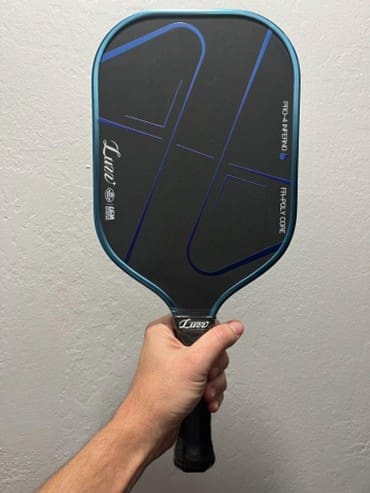
See the picture below of a high quality foam pickleball paddle.
RELATED ARTICLES



Carbon Fiber Vs. Other Materials
Carbon fiber isn’t just a buzzword, it’s a performance material that blends lightweight strength with stiffness, leading to a responsive and stable hitting surface. Because it spreads shock more evenly and minimizes harsh vibrations, carbon fiber paddles often feel softer and more forgiving on the arm, especially during long rallies.
Meanwhile, most modern paddles use a polymer (polypropylene) honeycomb core, which is also known for good vibration absorption and a consistent feel. These cores help soften the blow of impact and protect your joints over time.
In contrast, cheaper or older-style materials like Nomex or stiff fiberglass, while still valid in many performance scenarios and may transmit more vibration to your arm if not paired with proper damping technology.
How Paddle Selection Can Reduce Strain (Backed by Research)
1. Elbow Prevention Through Proper Paddle Weight and Vibration Control
Medical advice from orthopedic clinics suggests choosing paddles that are easier on the arm. Lighter paddles, generally around 7.5 to 8.5 ounces, require less effort to swing and can reduce stress on the elbow during extended play. A paddle that’s too heavy demands more power from your forearm muscles and increases the risk of overuse injuries.
In addition, paddles designed to absorb more vibration can lower the amount of jarring force that travels up your arm with every shot. Reduced vibration helps protect your tendons, giving them a chance to withstand repetitive movements without irritation
2. Grip Size Matters for Tendon Health
The size of the grip on your paddle can also influence tendon strain. Too small a grip forces you to squeeze harder, increasing tension in the forearm muscles. Too large, and your hand may struggle to stabilize the paddle correctly.
Clinicians recommend selecting a grip size that allows your fingers to barely touch your palm when wrapped around the handle, and this helps minimize unnecessary stress on the tendons.
3. Proper Technique Complements Equipment Choices
Beyond equipment, technique plays a large role. Physical therapists highlight that engaging your core and shoulder muscles rather than just your wrist or elbow distributes force more evenly and reduces stress on your tendons.
Practicing good mechanics like using your torso for power and avoiding excessive wrist flicks can make a big difference in preventing tennis elbow.
Practical Takeaways for Pain-Free Play
So what does all this mean for you as a player?
- Choose a well-balanced paddle — not too heavy, not too light.
- Look for vibration-reducing materials — like carbon fiber faces and polymer honeycomb cores.
- Get your grip size right — it’s about comfort, not just control.
- Practice proper form, using your whole body to generate power, not just your wrist and forearm.
When these choices come together, the setup of your paddle, thoughtful technique, and good warm-up habits, and you are giving your arm the best chance to stay healthy and pain-free. And that means more games, more fun, and less time on the sidelines.
Conclusion
Selecting the best pickleball paddle won’t single-handedly “cure” or guarantee prevention of tennis elbow. But there is strong evidence from both medical advice and paddle technology specialists that the right gear can significantly lessen the stress on your elbow.
By choosing paddles with vibration-absorbing materials, correct weight and grip, and by combining that with good technique and physical conditioning, you create a powerful strategy for injury prevention.
In short: Yes, the right pickleball paddle can help prevent tennis elbow, particularly when matched with smart play and proper mechanics.
If you’re buying your next paddle and want performance, comfort, and longevity on your side, consider how materials like carbon fiber and high-quality cores perform not only on the court, but for your arm health long-term.