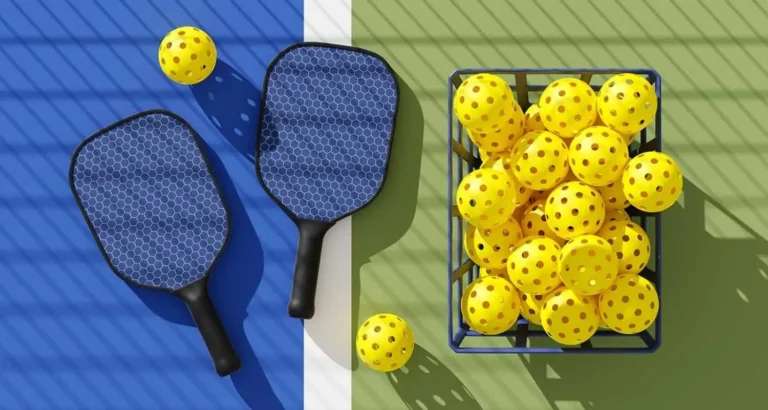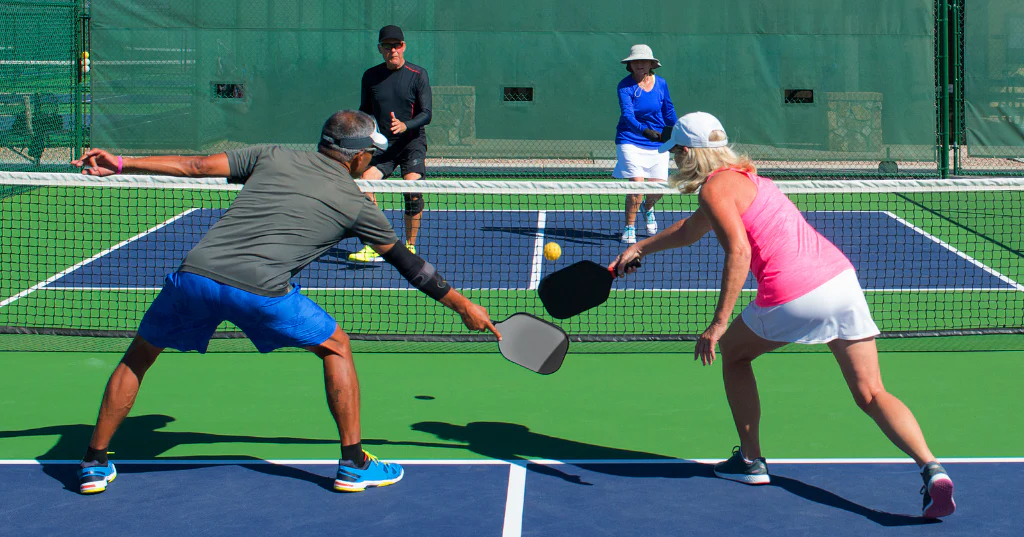
A few years ago, pickleball was that game you played on a borrowed court with mismatched paddles and zero expectations. You showed up, laughed a lot, maybe broke a sweat, and went home feeling oddly accomplished for something that felt… easy.
Fast forward to now, and the vibe has changed.
I’ve watched the same people who once said, “I’m not competitive anymore,” quietly sign up for leagues, track their stats, and debate paddle materials like they’re prepping for a product launch.
And as a marketer, that shift fascinates me. Because what we’re seeing with pickleball isn’t just a sports trend. It’s a case study in how modern recreational culture is evolving.
Pickleball Didn’t Sneak In, It Announced Itself
What’s interesting is how visible pickleball has become—and how fast. Public parks are resurfacing courts. Community centers are booked solid. And local leagues are popping up with waitlists.
Take, for example, the pickleball league, San Diego, which players talk about constantly. It’s not just about competition. It’s about belonging. Branded shirts, scheduled matches, playoffs, and social events. The whole ecosystem feels intentional. Almost… designed.
And in places like Southern California or Texas, media outlets are starting to cover local tournaments the same way they’d cover amateur soccer or softball. That’s a big deal.
Attention changes behavior. When people see highlights, standings, or even casual Instagram recaps, it reframes the sport from “pickup game” to “organized experience.”
And let’s be honest—people love structure when it feels optional, not forced.
Why Casual Players Are Suddenly All-In on Leagues
This is where motivation gets nuanced. Most players don’t join a league because they want to “win.” They join because they want direction. A reason to show up on Tuesday nights. A sense of progress that goes beyond “I think I’m getting better?”
I’ve seen brands triple their engagement by giving users milestones instead of just access. Leagues do the same thing. Weekly matches. Skill tiers. Clear feedback loops. You’re not guessing where you stand—you know.
And then there’s the social side. The pickleball league, Houston players rave about, isn’t just competitive; it’s social glue. People grab tacos after matches. Teams form group chats. Newcomers integrate faster because there’s a built-in framework for interaction.
The misconception is that leagues scare off beginners. In reality, well-designed leagues lower the barrier. You’re not interrupting a group of strangers at open play. You’re expected. That changes everything.
Getting Better Isn’t Accidental
Skill progression in pickleball follows a pattern I recognize from marketing funnels. Awareness. Experimentation. Commitment. Optimization.
Beginner players focus on keeping the ball in play. Intermediate players start thinking about placement, patience, and shot selection. And the shift happens when someone realizes, “Oh, strategy matters here.”
RELATED ARTICLES
Consistency is the unlock. Not power. Not speed. Consistency.
Players who improve fastest usually do three things: they play regularly, they practice specific shots (hello, third-shot drops), and they pay attention to patterns. Who rushes the net too early? Who avoids backhands? Small observations add up.
And leagues accelerate that learning curve because repetition comes with context. You’re not just hitting balls. You’re solving problems in real time.
Gear Matters… But Not How Most People Think
Let’s talk equipment without turning this into a gear-head rant.
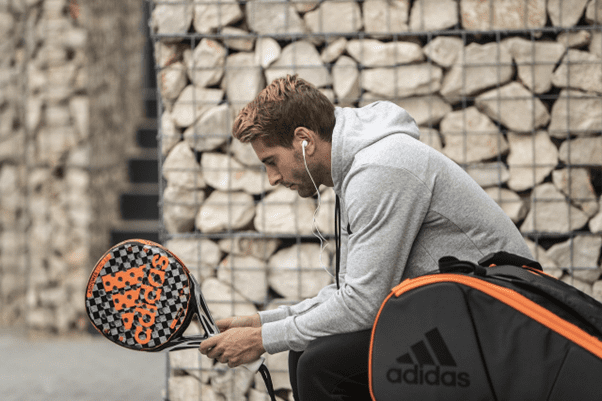
Paddle weight, grip size, and materials absolutely affect performance. But not in the “buy this and instantly play better” way people hope for. The tricky part is comfort.
A slightly lighter paddle can improve reaction time at the net. A better grip reduces fatigue and prevents overcompensation. Materials like carbon fiber offer more control—but only if your technique supports it.
I’ve seen players downgrade paddles and play better because the new setup matched their style. That’s a lesson marketers know well: alignment beats features.
If you’re uncomfortable, tense, or second-guessing your equipment, it shows up in your play. Comfort builds confidence. Confidence improves decision-making. Simple, but overlooked.
The Mental Game Is Where Leagues Separate Players
Here’s where casual play and league play really diverge. Pressure changes behavior. Even low-stakes pressure.
In league matches, players rush shots they’d normally execute cleanly. They play safe when they should be aggressive. Or aggressive when patience would win the point.
Focus becomes a skill. So does emotional regulation.
The best league players aren’t the flashiest. They’re the calmest. They reset quickly after mistakes. They don’t spiral after a missed call or a bad rally.
Managing pressure is learned, not innate. And leagues provide just enough tension to make that learning stick—without the burnout of elite competition.
Why Multi-Sport Athletes Feel at Home So Fast
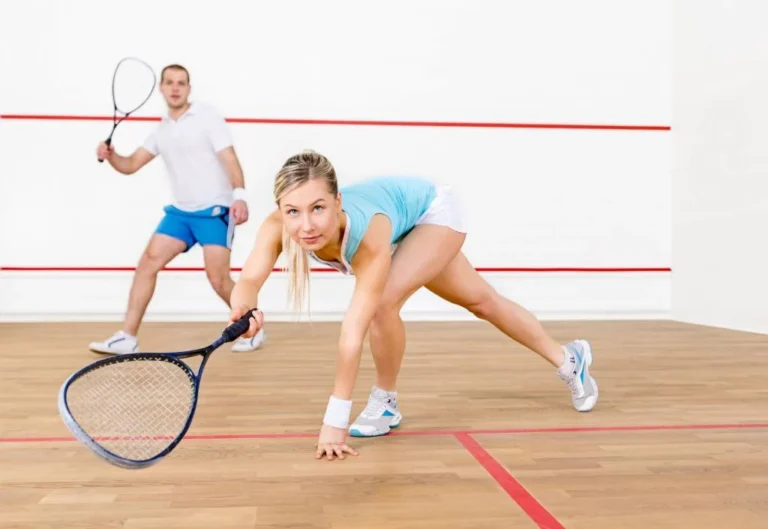
If you’ve played tennis, badminton, or even table tennis, pickleball feels familiar in all the right ways.
Footwork patterns transfer. Anticipation transfers. Hand-eye coordination? Definitely transfers.
But what really clicks is the pacing. Pickleball rewards touch and timing over raw power. That levels the playing field and keeps matches engaging across age groups and backgrounds.
From a cultural standpoint, that inclusivity matters. It’s rare to find a sport where a former college athlete and a retired professional can compete—and both feel challenged.
That’s not accidental. It’s design meeting demand.
So… Why Is Pickleball Sticking Around?
Because it understands modern priorities. People want activity, but not exhaustion. Competition, but not ego. Community, but not pressure.
Pickleball leagues hit that balance. They offer structure without rigidity. Progress without obsession. And fun without chaos.
And as someone who’s watched trends come and go, that blend is hard to fake.
It depends on execution, of course. Not every league will thrive. Not every player will want more than casual play. That said, the momentum feels durable because it’s rooted in how people actually want to live right now.
Active. Connected. Improving—just enough. And honestly? That’s a pretty compelling future for recreational sports.