Once, going to a game meant buying a ticket, finding your seat, and living or dying with whatever the scoreboard showed. Now?
The moment you step into a venue or tap a stream, something else arrives with the team: a stack of technologies quietly shaping how you feel, what you know, and how you spend time and money.
The fan experience no longer lives only in the stands. It lives in data centres, in apps, in augmented overlays, and yes, even in the same web pages where sportsbooks place odds.
Small screens, big feelings
Live streams have improved. Not just picture quality, although 4K and HDR matter. It’s the way broadcasts stitch multiple cameras, instant replays, and interactive stats together. Do you want a slow-motion angle from the player’s left foot? You can get it.
Want a targeted highlight package for your favourite player? That shows up too. Broadcasters and platforms tailor the feed to you so precisely it can start to feel like the game was edited with you in mind.
There’s a human side to this: fans appreciate control. It feels intimate when you can choose, pause, rewind. That sense of ownership keeps people watching and keeps the conversation going long after the final whistle.
Inside the smart stadium
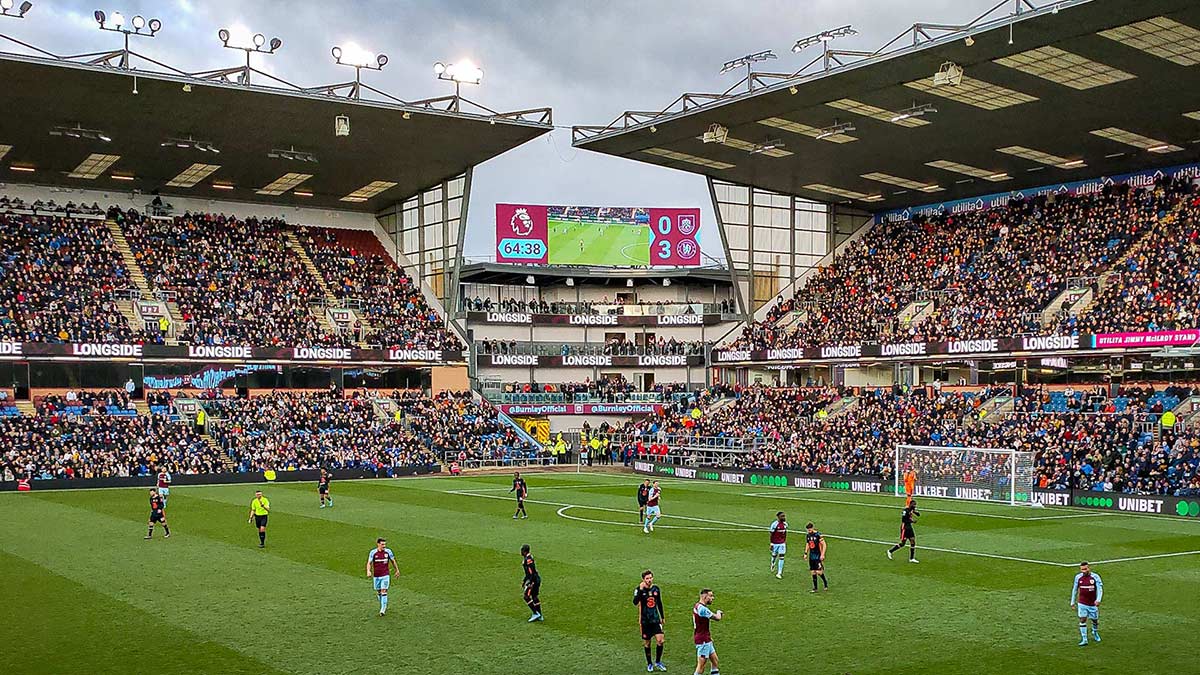
Modern arenas are now smart devices in their own right. High-density Wi Fi and 5G let tens of thousands share clips simultaneously. Seat sensors, mobile ordering, and dynamic signage shave small frictions away — shorter lines, faster food, fewer missed plays.
RELATED ARTICLES


Where a stadium used to be a single, unified mass of people, it’s becoming a layered experience: the live event plus a personal, digital interface.
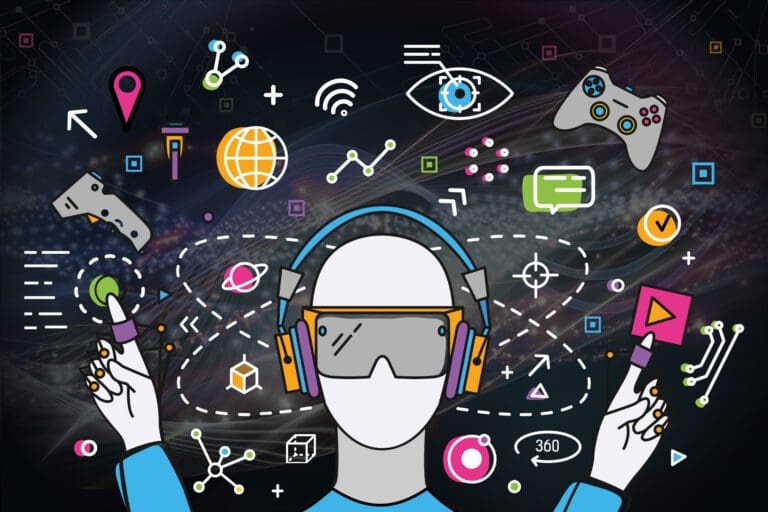
Some venues use AR to overlay player stats onto the pitch through your phone. Others guide you to the fastest restroom with a map that updates in real time. It’s practical and a little magical.
The personalization engine
This is where a lot of the magic (and debate) happens. Machine learning tracks what you watch, pause, and replay. Those patterns are used to push personalized highlights, notifications, and even merchandise offers.
Fans get more relevant content, teams get more loyal followers, and advertisers get better matches. Ultimately, there’s a trade-off between convenience and an appetite for privacy. People are still figuring out the balance — and rightly so.
Deeper engagement and new rituals
Technology has rewritten ritual. Fantasy leagues, second-screen chatrooms, and in-app polls add layers of interaction that never existed two decades ago. Younger fans, especially, treat games like shared streams where commentary and memes are as important as the score.
Teams lean into that, offering behind-the-scenes clips, mic’d-up players, and short-form content tailored to quick attention spans.
There’s also an economic ripple: dynamic ticket pricing, targeted promotions, and loyalty programs that reward engagement. If you care about the bottom line, this is clever. If you care about the purity of the game, sometimes it feels a bit engineered.
Ultimately, the strategic application of data and analytics changed both sports and the fan experience, making every interaction measurable and personal.
Final thought
Technology hasn’t replaced the roar of the crowd; it’s amplified it, redirected it, and made more of us part of it from far away. The live, in-person thrill still matters — but now it can be layered, personalized, and shared in ways that would have felt like science fiction a generation ago.
Want to be part of the conversation? Tell us: which tech has changed the way you watch sports, for better or worse? Leave a comment and let the debate begin.