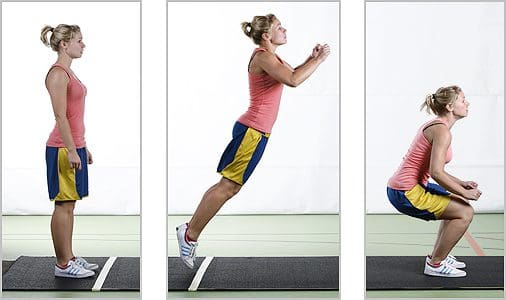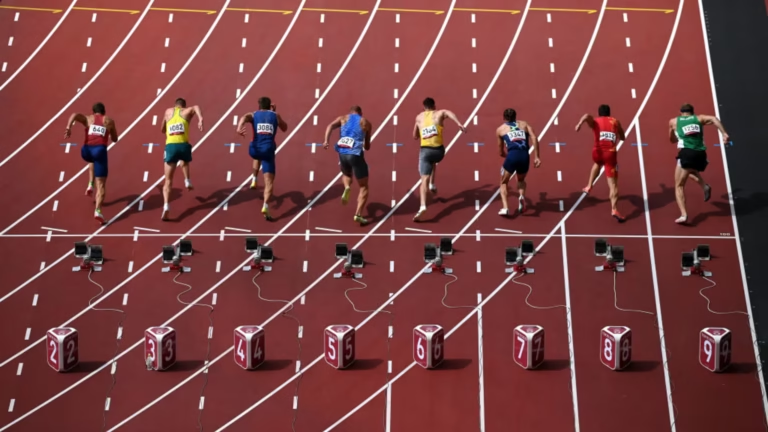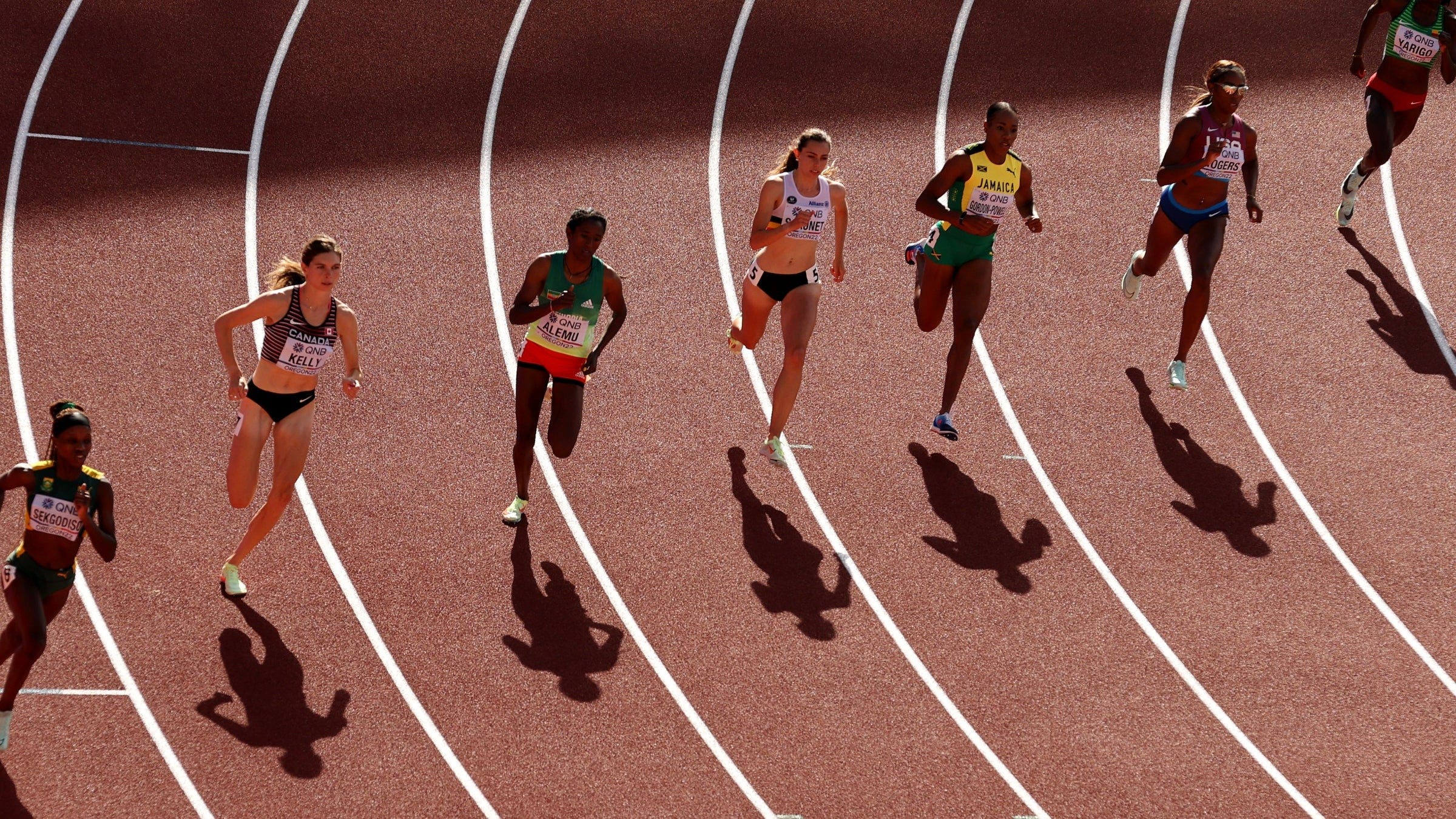
Track and field has many types of contests. They test how fast, strong, and skilled athletes are. There are over 20 events in the Olympics. Track events are some of the oldest sports in the world.
Running Events: The Heart of Track Athletics
Running events are categorized by distance and include competitions that test different aspects of human speed and endurance:
Sprint Events
Sprinting events require explosive power, perfect technique, and maximum velocity:
- 100m – The premier test of raw speed, typically completed in under 10 seconds by elite men and under 11 seconds by elite women
- 200m – A half-lap race combining pure speed with the ability to maintain velocity through a curve
- 400m – Often called the “long sprint,” this full lap tests speed-endurance and tactical racing
Middle Distance Events
These races balance speed with endurance strategies:
- 800m – A two-lap tactical race requiring both speed and stamina, typically finished in under 2 minutes by elite men
- 1500m – The metric mile requires strategic pacing and a strong finishing kick
Long Distance Events
Endurance becomes increasingly important at these distances:
- 3000m Steeplechase – A unique event combining distance running with hurdle clearing and water jumps
- 5000m – A 12.5-lap race requiring substantial aerobic capacity and tactical awareness
- 10,000m – The longest standard track event at 25 laps, demanding mental fortitude and physical endurance
Hurdles Events
Technical events combining speed with rhythm and precision:
- 110m Hurdles (men) – Ten 42-inch barriers over a short sprint distance
- 100m Hurdles (women) – Ten 33-inch barriers requiring explosive speed and technical proficiency
- 400m Hurdles – One full lap with ten evenly spaced hurdles, demanding stride pattern precision at speed
Relay Events
Team-based running competitions requiring coordination and baton exchanges:
- 4×100m – Four sprinters complete one lap, emphasizing baton exchange precision
- 4×400m – Each team member runs one lap, combining individual speed with team strategy
- Mixed 4×400m – A newer Olympic event featuring teams of two men and two women
Jumping Events: Defying Gravity
Jumping competitions test athletes’ ability to launch themselves horizontally or vertically:
Horizontal Jumps
- Long Jump – Athletes sprint down a runway and jump as far as possible from a takeoff board into a sand pit
- Triple Jump – A technical event requiring a hop, step, and jump sequence to maximize distance
Vertical Jumps
- High Jump – Athletes clear a horizontal bar using the “Fosbury Flop” technique, landing on a cushioned mat
- Pole Vault – Using a flexible pole, competitors vault themselves over a high bar, combining speed, strength, and technique
Throwing Events: Tests of Power and Technique
Throwing disciplines showcase strength, technique, and coordination:
RELATED ARTICLES


- Shot Put – Athletes “put” (push rather than throw) a heavy metal ball from the shoulder
- Discus – Competitors throw a weighted disc following a spinning technique within a circle
- Javelin – A spear-throwing event requiring speed, power, and technical precision
- Hammer Throw – Athletes spin and release a metal ball attached to a grip by a steel wire
Combined Events: The Ultimate Test
Multi-event competitions that crown the “world’s greatest athlete”:
Decathlon (Men)
This ten-event competition spans two days and tests all athletic abilities:
- Day 1: 100m, Long Jump, Shot Put, High Jump, 400m
- Day 2: 110m Hurdles, Discus, Pole Vault, Javelin, 1500m
Athletes receive points based on performance in each event, with the highest total determining the champion.
Heptathlon (Women)
A seven-event competition showing versatility across various disciplines:
- Day 1: 100m Hurdles, High Jump, Shot Put, 200m
- Day 2: Long Jump, Javelin, 800m
Race Walking: The Technique Event
Race walking combines speed with strict technical requirements:
- Athletes must maintain contact with the ground at all times
- The advancing leg must be straightened from the moment of first contact
- Olympic distances include 20km (men and women) and 35km (new mixed gender event)
Road Events: Beyond the Track
While technically not track events, these competitions are part of athletics:
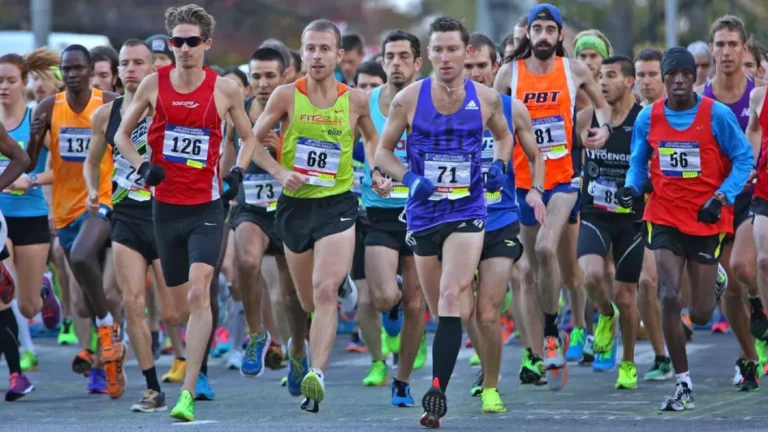
Marathon
The iconic 42.195km (26.2 miles) road race with historic origins:
- Named after the legendary run from Marathon to Athens in 490 BCE
- The specific distance was standardized following the 1908 London Olympics
- Represents the ultimate test of endurance for many runners
FAQs
How many track events are in the Olympic Games?
There are about 24 track events in the Summer Olympics for men and women. This number has grown over time. The mixed 4×400m relay is one of the newest events.
What is the difference between track and field events?
Track events happen on the running track and include all races. Field events take place inside or next to the track and include jumping and throwing contests.
Which track event is most important?
The 100m sprint is seen as the top track event. The winner is often called the “World’s Fastest Human.” The Olympic 100m final gets the most TV viewers.
Are there track events for young people?
Yes. Youth contests have shorter distances, lower hurdles, and lighter weights. Indoor youth events called Sportshall offer simpler versions of track events.
What are modern tracks made of?
Most tracks now use man-made surfaces made from materials like polyurethane. These have replaced old cinder and clay tracks. The new surfaces allow for faster times and work in all weather.