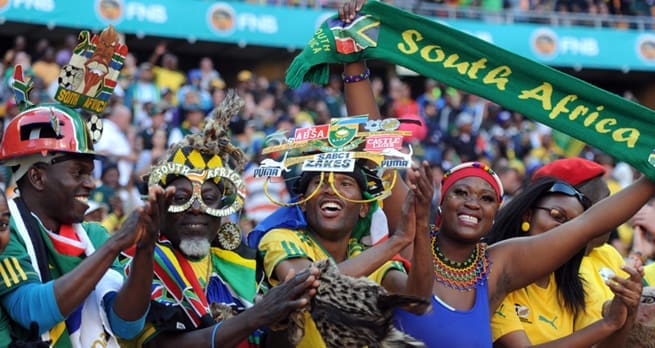
Rugby is more than just a sport in South Africa; it is a national institution and a reflection of the country’s complex history, culture, and identity.
As the second most popular sport after football, rugby has been deeply woven into the fabric of South African society, symbolizing unity, pride, and growth.
Popularity and Historical Significance
Rugby enjoys massive popularity in South Africa, with both national and club rugby fixtures drawing huge crowds. Particularly with the success of the Springboks, rugby has become a symbol of unity and excellence.
Historically, rugby was linked to the white Afrikaner community during apartheid, with the Springbok emblem symbolizing racial division. This changed in 1995 when South Africa hosted and won the Rugby World Cup.
Nelson Mandela, wearing a Springbok jersey as he handed the trophy to Francois Pienaar, marked a turning point in healing racial divides through sport.
Schoolboy Rugby
One key aspect of South African rugby culture is schoolboy rugby. It is fiercely competitive, with top players emerging from competitions like Craven Week, which platforms future talent.
RELATED ARTICLES



Schoolboy rugby rivalries between schools such as Grey College, Paarl Gymnasium, and Bishops Diocesan College draw large crowds, transforming these games into community-wide celebrations steeped in tradition.
Traditions and Celebrations
When the Springboks play, the whole country watches, and victories spark nationwide celebrations. Following their 2023 Rugby World Cup win, streets were filled with fans celebrating into the night.
No South African social event is complete without a traditional braai (barbecue), and rugby is no exception. After games, players, coaches, and fans often gather around the fire to share food, socialise, and reflect on the match.
Another tradition is the singing of the national anthem, Nkosi Sikelel’ iAfrika, before international matches, which unites the players and fans and builds an atmosphere in the stadium, bars, fan zones, or homes where fans watch the games.
What Rugby Means to South Africans
The Springbok jersey, once a symbol of apartheid, has evolved into a unifying emblem. Rugby’s ability to bring together South Africa’s rainbow nation, particularly post-apartheid, highlights its cultural significance.
Siya Kolisi, the first Black captain to lead the Springboks to World Cup victory in 2019, stands as proof of the inclusivity that rugby now represents.
Overall, rugby in South Africa is a powerful symbol of unity and national pride, transcending racial and cultural boundaries. Each Springbok victory ignites the passion of a nation with a proud, resilient history.