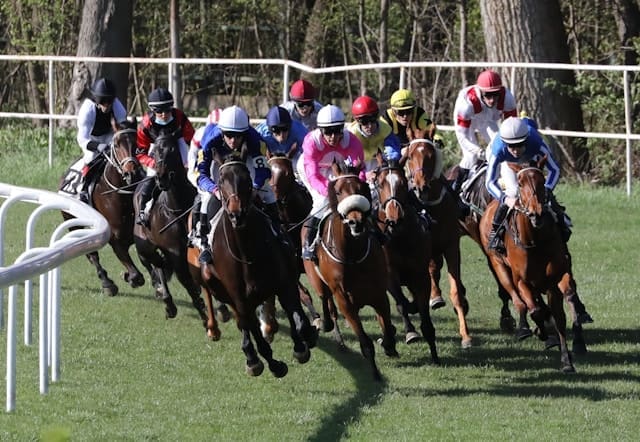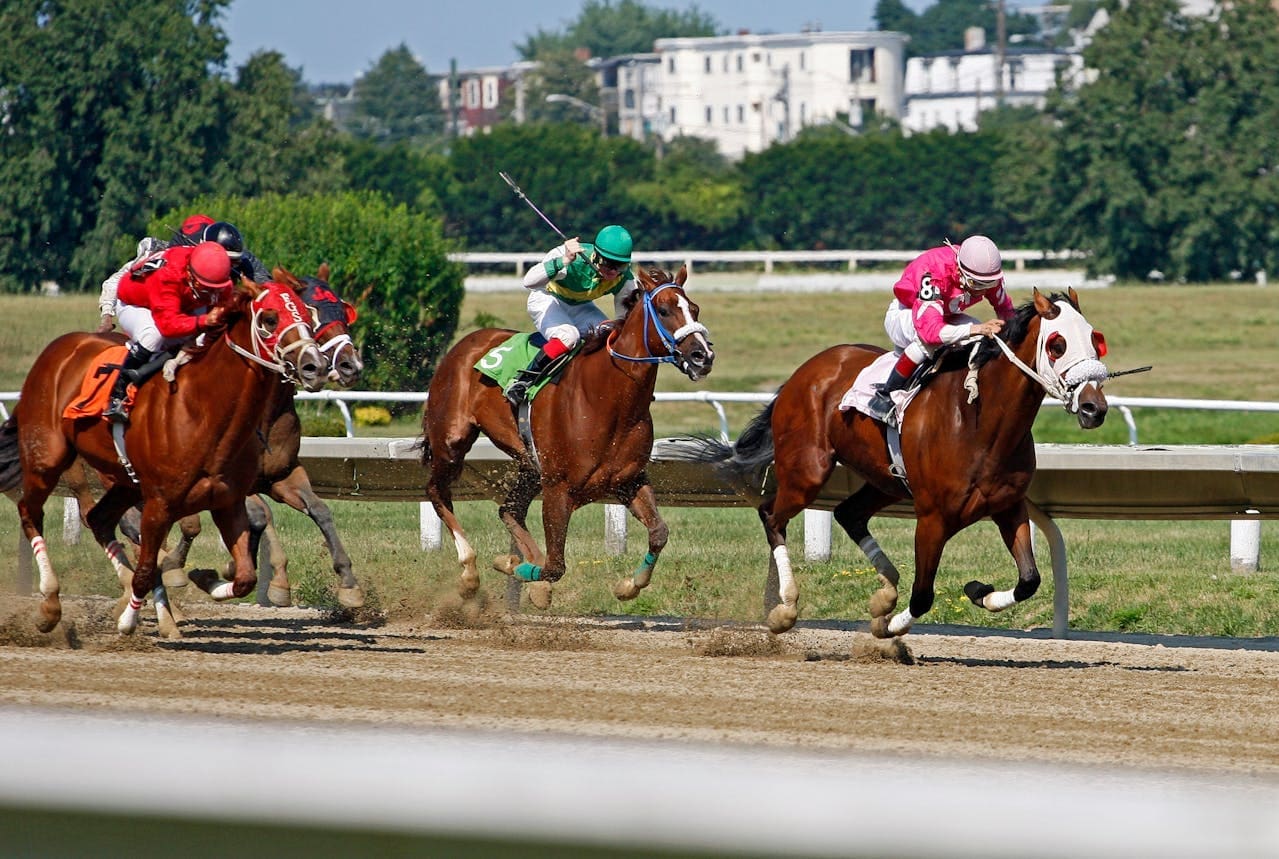
The Road to the Kentucky Derby is once again in full swing, and this time, Keeneland’s Spring Meet offers an even bigger prize pool. With $8.1 million in purses spread across 19 stakes races, this year’s meet promises high-quality competition and plenty of betting opportunities.
One of the biggest highlights is the Grade 1 Blue Grass Stakes, a major prep race with a $1.25 million purse. This race has long been a proving ground for Derby hopefuls, drawing top three-year-olds looking to secure their spot at Churchill Downs.
Here are five expert tips to help bettors capitalize on the high stakes and take a shot at Keeneland’s rich prize pool.
Study Keeneland’s Track Conditions
Keeneland’s track plays differently from most major circuits. The dirt surface favors early speed, but it can change depending on moisture levels. A fast track usually benefits frontrunners, but when the surface gets deep or sloppy, stalkers and closers become more effective.
Turf races, on the other hand, often favor horses with a strong late kick. Keeneland’s turf course is known for rewarding deep closers, especially in races over a mile. Horses with proven late speed often have an edge, but paying attention to recent track trends is crucial.
Following Keeneland picks from professional handicappers can help bettors stay ahead of these shifts. Watching replays and noting how horses handle the track under different conditions provides an added advantage.
Assess a Horse’s Recent Form with Context
Past performance is always a key factor, but it must be examined within the right context. A horse coming off a win in a lower-class race may not stack up against tougher competition at Keeneland.
Conversely, a horse finishing mid-pack in a Grade 1 event could be sitting on a huge effort when dropping in class.
One overlooked angle is how a horse performs second off the layoff. Some horses need a race to regain peak fitness after a break. If a runner showed improvement in its last race and now enters a favorable spot, it might be ready to fire its best shot.
Track bias also plays a role. A closer who was compromised by a speed-favoring track last time out might be a good bet if the surface is playing fair. A frontrunner who faded late could be worth another look if the pace setup is softer this time.
Evaluate Jockey and Trainer Records with Specific Angles
Not all jockeys and trainers approach Keeneland the same way. Some conditioners target Keeneland meets aggressively, while others use it as a prep for bigger races. Bettors should look at a trainer’s Keeneland-specific stats, not just their overall win rate.
For example, certain trainers excel with first-time starters on the Keeneland dirt. Others dominate in turf sprints but struggle in route races. Wesley Ward, for instance, is almost automatic with young sprinters, but not every trainer follows that pattern.
Jockey trends matter as well. Some riders perform better on dirt than turf, while others have a knack for positioning their mounts perfectly in deep-closing races. A jockey-trainer combo with a strong Keeneland record should never be ignored, even if their horse’s recent form looks inconsistent.
Understand Post Position Bias at Keeneland
Post positions play a huge role at Keeneland, especially in shorter races. On the dirt, inside posts are typically an advantage in sprints because horses can secure a forward position early.
However, in two-turn route races, outside posts can be problematic, as horses may lose ground on the first turn.
The turf course has its own quirks. In turf sprints, outside draws tend to fare better since horses can avoid traffic. But in mile races, saving ground is key, making inside draws more desirable.
It’s also worth looking at how the rail is playing. Keeneland occasionally moves the turf rail out, which can favor speed horses if the inside ground is firm. Checking race replays and reviewing bias reports can provide an extra layer of insight that many bettors overlook.
Compare Morning Line Odds with Live Betting Action
Morning line odds give an initial snapshot of expected betting patterns, but the actual movement happens when wagers start pouring in. Keeneland attracts sharp money, meaning early odds shifts can indicate where professionals are placing their bets.
A horse opening at 8-1 and quickly dropping to 4-1 could be a live runner with strong connections. Conversely, a morning-line favorite drifting higher might signal weak support from insiders. Recognizing these movements can provide an edge, especially when combined with a solid handicapping strategy.
Following betting trends during live wagering also helps identify overlays (i.e., horses offering better odds than their true chances). Keeneland’s competitive fields often produce longshot winners, so spotting a well-meant horse at generous odds is a valuable skill.
Final Thoughts
Keeneland’s Spring Meet offers exciting betting opportunities, but success requires more than just basic strategies. For deeper insights, continue researching and seek advice from experienced handicappers or professionals.