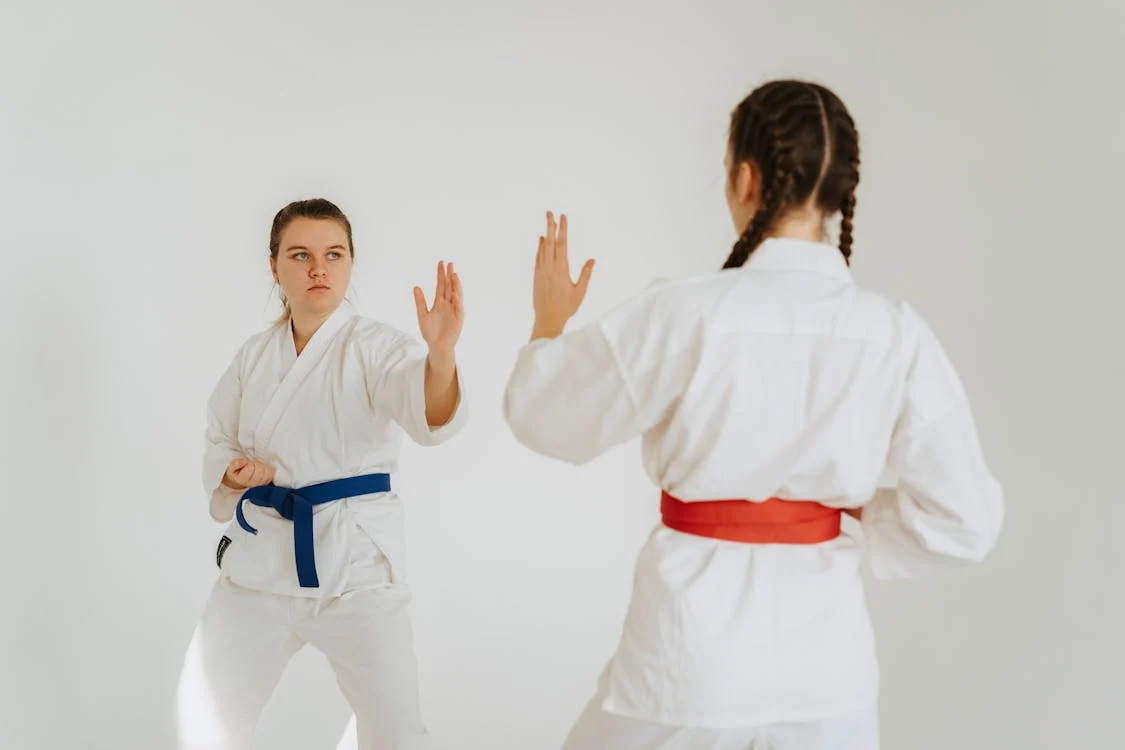
Karate is an excellent activity for individuals of all ages to maintain health and stay active. This martial art promotes physical fitness through rigorous training, enhancing strength, flexibility, and endurance. Beyond physical benefits, karate also sharpens mental focus, discipline, and self-confidence.
For children, it builds foundational motor skills and instills respect and perseverance. Adults and seniors gain from improved cardiovascular health, stress relief, and increased mobility. Karate classes foster a sense of community, providing social interaction and support. Overall, karate is a holistic approach to well-being, making it a valuable practice for everyone, regardless of age.
Does It Burn Calories?
Karate not only hones self-discipline and builds mental strength, but it also offers a considerable calorie-burning workout. Triangle Karate tells us that A 160-pound individual can burn approximately 533 calories during a one-hour karate session. The actual numbers can fluctuate based on several factors including a person’s weight, age, and the intensity of the class.
Engaging in karate involves a variety of movements that rapidly increase heart rate and utilize multiple muscle groups. The intensity of effort can further determine calorie expenditure. On average, moderate-intensity karate training can burn between 6-10 calories per minute.
The appeal of karate extends beyond self-defense, attracting those looking to incorporate it into their fitness routines due to its effectiveness in burning calories. To maximize calorie burn, it is essential to maintain consistent practice and strive for higher intensity levels during sessions. This makes karate a valuable component of a dynamic exercise regimen.
Basics of Caloric Burn
Caloric burn during physical activities like karate depends on how intensely the activity is performed and individual characteristics such as weight and fitness level. This section explores how calories are burned and which factors significantly affect this process.
Understanding Caloric Burn
Calories are the units of energy our bodies expend to maintain and perform various functions. When engaging in physical activities like karate, the body uses calories from food as fuel. The intensity, duration, and type of exercise play a critical role in determining how many calories are burned.
Energy expenditure can be calculated using METs (Metabolic Equivalent of Task), a unit that estimates the energy cost of physical activities. For martial arts such as karate, the MET value can help individuals estimate their caloric burn more accurately. Performing high-intensity martial arts activities result in a higher caloric burn compared to moderate exercises.
Factors Influencing Caloric Burn
Various factors contribute to the number of calories burned during a karate session:
- Body Weight: Heavier individuals generally burn more calories as more energy is required to move a larger body mass.
- Intensity and Duration: Higher intensity and longer sessions lead to more calories burned. For instance, practicing karate at a vigorous pace for an hour burns more energy than at a slower pace.
- Fitness Level: Individuals with higher fitness levels may burn fewer calories due to enhanced efficiency. However, they might increase the intensity, leading to a greater caloric burn.
- Age and Sex: These can influence metabolic rate, with younger people typically having a higher metabolic rate. Men usually burn more calories than women because of a higher muscle mass percentage.
Understanding these factors helps in estimating caloric burn more accurately during karate classes.
Karate Fundamentals
Karate is an ancient martial art centered around techniques and their execution, along with varying intensity levels that dictate the calorie burn. Understanding these fundamentals is key for those looking to optimize their energy expenditure during training.
Karate Techniques and Training
Karate training revolves around precise techniques and structured routines. Key elements include kata (forms), which are prearranged sequences of movements, and kihon (basics), focusing on punches, kicks, and stances. These drills enhance muscle memory and coordination.
Sparring, or kumite, simulates combat scenarios, requiring agility and strategy. Mastery in these areas contributes to a comprehensive workout, engaging both mental and physical faculties. Flexibility and strength training are crucial for executing moves effectively, while breath control aids in maintaining endurance. This multi-faceted approach allows practitioners to refine skills while maintaining physical fitness.
Intensity Levels in Karate
Karate can vary between low to high-intensity training sessions. Beginner techniques often start at a lower intensity, focusing on fundamentals and form. As skills develop, intensity increases, incorporating advanced movements and faster-paced kumite sessions.
High-intensity karate demands robust cardiovascular activity, significantly boosting calorie burn. Factors affecting intensity include class duration, specific techniques practiced, and individual fitness levels. Personal commitment and consistency in training are principal elements in managing energy levels and optimizing workouts. Karate’s adaptable nature supports different intensity preferences, making it suitable for diverse fitness goals.
Estimating Caloric Burn
Calculating the calories burned while practicing karate can help individuals manage their fitness goals. Factors such as the individual’s weight, session duration, and activity intensity are crucial in this calculation.
Tracking Calories During Karate
To track calories effectively, understanding the energy expenditure rate is important. Tools and calculators can estimate how many calories are burned based on weight, intensity, and duration. For instance, heavier individuals tend to burn more calories because their bodies require more energy to perform the same activities.
Karate practitioners can track progress using online calculators like the one at Calc Calories. Users input their session details to receive an estimate of their caloric burn. Keeping a workout log with this information is beneficial for monitoring and adjusting training intensity as needed.
Average Calories Burned
The average number of calories burned during a karate session can vary widely. Factors such as weight and training intensity influence this number. For moderate-intensity karate, individuals may burn around 6-10 calories per minute, equating to approximately 360-600 calories per hour, as noted by resources like A4 Fitness.
MET values, which express the energy cost of physical activities, are also used to calculate caloric expenditure. For example, the MET value for martial arts is generally around 5.3. Using this, people can estimate their caloric burn more accurately by considering their weight and duration of activity. This approach aids in personalizing fitness routines to meet specific health and performance objectives.