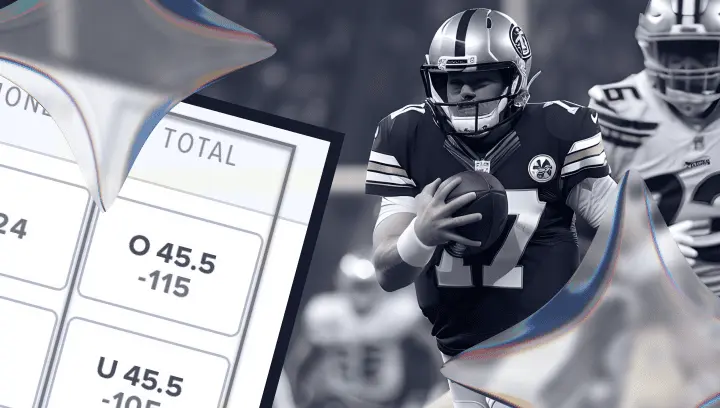
Every Sunday, thousands of bettors glance at their favorite sportsbook and see a team listed at -2.5. Some nod knowingly; others scratch their heads. But few really ask: Who decided this team should be favored by 2.5 points? Or why the line suddenly moved to -3 just hours before kickoff? The world of sports betting is more calculated than most imagine and more psychological, too.
Understanding how betting lines are created isn’t just for professional bettors or Vegas insiders. It’s a window into a game where data science, sharp intuition, and crowd behavior collide and where the people pulling the strings aren’t always who you think.
The Math Behind the Curtain
The creation of a betting line starts long before fans place their first wagers. Sportsbooks hire expert analysts called oddsmakers, and these professionals are anything but casual sports fans. Many come from backgrounds in advanced statistics, computer science, or finance.
They break down performance metrics, injury reports, team trends, weather forecasts, and more. All of this is used to generate what’s called a true line, the raw, unpolished prediction of how a game should unfold.
Oddsmakers often lean on complex modeling techniques, such as those rooted in Bayesian statistics, to update probabilities based on new data. This mathematical approach helps them factor in variables that change by the minute, like last-minute roster swaps or coaching decisions.
However, the true line isn’t what you see on your sportsbook app. Before the odds are shown to the public, sportsbooks adjust them into opening line numbers designed not to predict the outcome perfectly but to attract balanced action on both sides.
Balancing the Books
Contrary to popular belief, sportsbooks aren’t in the business of guessing winners. Their goal is balance. They aim to attract enough bets on both teams so that no matter who wins, they make a profit through the vig, or commission on losing bets.
Let’s say the Buffalo Bills are set at -4.5 against the Jets. If too much early money lands on Buffalo, the sportsbook shifts the line to -5 or -5.5. This isn’t because they think Buffalo is suddenly better; it’s to encourage more bets on the Jets, evening the playing field and protecting the house from risk.
When bettors want to know why lines move, they often refer back to core concepts to understand line movement. This is essential to mastering the betting process because behind every shift, there’s a signal worth decoding.
The Power of the Crowd—and the Sharps
After opening lines are posted, they don’t sit still for long. That’s because bettors, particularly sharps or professional gamblers, start to influence them.
Sharp bettors often bet early and in large amounts. Sportsbooks take their action seriously because sharps tend to spot mispriced lines faster than the public. If sharp money floods one side, the line moves quickly. These movements, often small and early, are clues for those paying attention.
Meanwhile, the public, often referred to as squares, places bets closer to game time, sometimes driven by emotion or headlines rather than data. The general public’s tendency to favor big-name teams, favorites, and overs is well known and sportsbooks factor that into their early calculations.
This interplay creates fascinating patterns. For instance, sometimes the majority of bets are on one team, yet the line moves the other way. That’s what’s called reverse line movement, often a sign that sharps are backing the less popular side. Recognizing this pattern can offer clues about where the true value lies.
Psychological Warfare
Oddsmakers aren’t just statisticians; they’re also subtle psychologists. They know that casual bettors gravitate toward popular teams, recent trends, and games under the brightest lights. Lines are often adjusted to account for this bias, shading points toward or away from favorites in high-profile matchups.
Let’s say the Kansas City Chiefs are playing on a Monday night. Even if the data suggests they should be -3.5, the line might open at -4 just because sportsbooks expect a flood of public money on Patrick Mahomes.
These minor adjustments can make major differences over the long run. And they’re not always obvious to someone casually browsing the board. But for seasoned observers, they reveal how the line is less a prediction and more a mirror of public sentiment, shaped and polished by the sportsbook to reflect its goals.
Algorithmic Influence
With the rise of tech in betting, algorithmic modeling has taken center stage. Sportsbooks and sharp syndicates now use advanced AI and machine learning to generate, adjust, and exploit betting lines in real time.
These models can scrape data from hundreds of sources player stats, team news, betting volume, and even social media sentiment, to adjust odds dynamically. Some books even use automated line movement systems, tweaking spreads or totals second-by-second as money flows in or breaking news hits.
It’s a modern arms race, with sportsbooks and bettors both using tech to gain an edge. But while machines may process information faster, understanding the human patterns behind betting behavior still gives an edge, especially when tech reacts too literally to unpredictable factors, like a player’s unexpected breakout game or a team’s post-bye resurgence.
The Influence of the House
Sportsbooks vary in how they manage risk and set lines. Some books are known for moving their lines faster, while others wait longer to see where the market is heading. In particular, platforms like Gaming Today offer deep insights into how different books behave, which can help savvy bettors decide where to place their bets based on how lines shift across various sites.
Line shopping, comparing odds across sportsbooks, can be the difference between +2.5 and +3.5. And in tight games, that’s the difference between a win and a push.
Understanding which books respect sharp money more and which lean on public action helps bettors read between the lines literally.
More Than Just Numbers
Ultimately, a betting line isn’t a crystal ball. It’s a strategic tool created to provoke action, defend profit, and reflect collective sentiment. It’s math, yes, but it’s also marketing, psychology, and sometimes even theater.
Lines are shaped by countless forces: sharp bettors, casual fans, oddsmakers with complex models, and sportsbooks juggling risk and reward. And while you might not see them, those pulling the strings are constantly adjusting, adapting, and anticipating your every move.
The next time you open your sportsbook and see a spread that doesn’t quite make sense, don’t assume it’s a mistake. It might just be a trap. Or it could be an opportunity if you know what you’re looking at.
RELATED ARTICLES