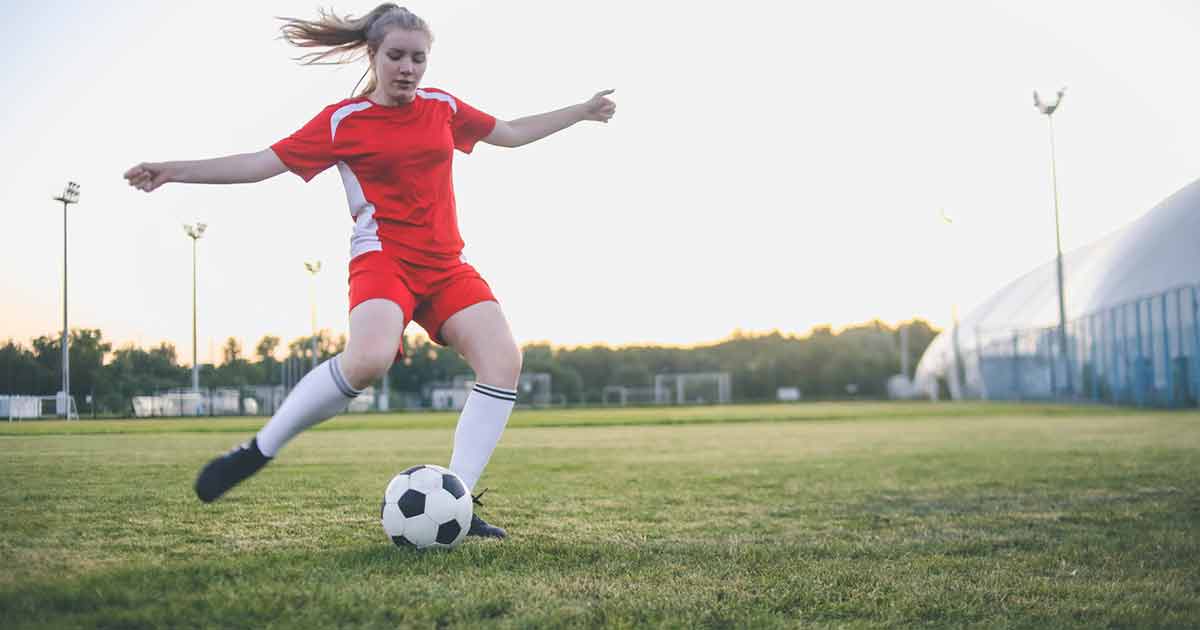
Soccer is a demanding sport that requires bursts of speed, agility, endurance, and focus. After a tough match, especially for teens whose bodies are still growing and developing, proper recovery is essential. Without the right recovery strategy, young athletes risk muscle fatigue, injuries, and burnout. Fortunately, science offers clear guidance on how teens can recover smarter, not just harder.
Whether your teen is playing competitively or for fun, here are some science-backed tips to optimize post-soccer recovery.
1. Rehydrate Early and Often
Hydration is one of the most important (and most overlooked) aspects of recovery. Teens can lose significant amounts of water and electrolytes through sweat, especially during high-intensity matches or in hot weather.
What the Science Says:
According to the American Academy of Pediatrics, even mild dehydration can impair physical and cognitive performance. Rehydrating helps restore blood volume, regulate body temperature, and improve muscle function.
What to Do:
- Drink 16–24 ounces of fluid for every pound lost during play.
- Include electrolytes (via sports drinks or coconut water) if sweating heavily.
- Encourage sipping water consistently in the hours following the match.
2. Refuel with Protein and Carbs
After a game, the body needs fuel to repair muscles and replenish glycogen (stored energy). Teens, in particular, require more nutrients because they’re still growing.
What the Science Says:
Studies show that consuming protein and carbohydrates within 30–60 minutes post-exercise can enhance muscle recovery and energy restoration. This is often called the “anabolic window.”
What to Do:
- Eat a post-match snack or meal with a 2:1 ratio of carbs to protein.
- Great options include a smoothie with fruit and Greek yogurt, a turkey sandwich, or chocolate milk.
- Continue eating balanced meals throughout the day to support full recovery.
3. Active Recovery to Keep Muscles Moving
While resting after a match is important, completely stopping all movement can lead to stiffness and slower recovery. Gentle movement increases blood flow, which helps remove waste products like lactic acid from muscles.
What the Science Says:
Low-intensity activity post-game has been shown to reduce muscle soreness and speed up the healing process. Active recovery is more effective than passive rest alone.
What to Do:
- Encourage a light cool-down jog and dynamic stretching immediately after the game.
- The next day, try low-impact activities like swimming, cycling, or a brisk walk.
- Avoid intense workouts for at least 24 hours unless it’s a light training session.
4. Prioritize Quality Sleep
Sleep is when the body does its deepest recovery work especially important for teens, whose bodies are growing and adapting at rapid rates. It’s also when the brain consolidates new skills and processes physical stress.
What the Science Says:
According to research from Stanford University, athletes who increased their sleep to 9–10 hours per night improved their speed, accuracy, and overall performance. Growth hormone, critical for recovery, is also released during deep sleep.
What to Do:
- Aim for 8–10 hours of sleep per night, especially after matches.
- Keep a consistent sleep schedule—even on weekends.
- Encourage screen-free wind-down routines (no phones or tablets 30 minutes before bed).
5. Use a Home Sauna for Muscle Recovery
Heat therapy, particularly in the form of sauna sessions, has been used by athletes around the world for decades. Now, it’s becoming more common for families to buy a home sauna as part of their wellness routines and teens can benefit too.
What the Science Says:
Regular sauna use has been linked to reduced muscle soreness, improved circulation, and lower inflammation levels. A 2018 study in the Journal of Human Kinetics found that heat exposure post-exercise can accelerate recovery by increasing blood flow and flushing out metabolic waste.
What to Do:
- After a match, allow for hydration and a light snack first.
- Teens can use a home sauna for 10–15 minutes, 1–2 hours post-game.
- Always supervise use and ensure hydration is maintained before and after.
Note: Sauna use may not be suitable for every teen, consult your pediatrician if there are underlying health concerns.
6. Gentle Stretching and Mobility Work
Post-match stretching helps maintain flexibility and prevents tightness, especially in key muscle groups used in soccer like the hamstrings, quads, and hip flexors.
What the Science Says:
Dynamic stretching pre-game and static stretching post-game both play a role in injury prevention and muscle recovery. Regular mobility work has also been linked to reduced delayed onset muscle soreness (DOMS).
What to Do:
- Perform static stretches targeting legs, hips, and lower back after matches.
- Use foam rollers or massage balls to release tension in tight areas.
- Consider short yoga routines for full-body recovery and relaxation.
7. Listen to the Body and Adjust Training
Recovery is not just about physical techniques, it’s also about tuning into how the body feels. Teens should learn to recognize signs of fatigue, overtraining, or pain, and adjust accordingly.
What the Science Says:
Overtraining without adequate recovery can lead to injuries, hormonal imbalances, and mental fatigue, especially in adolescents. Monitoring perceived exertion and recovery is critical for long-term athletic development.
What to Do:
- Track energy levels, soreness, and mood in a simple recovery journal or app.
- Encourage open conversations about how their body feels post-match.
- Coaches and parents should support rest days and avoid pressuring teens to “push through” soreness.
Final Thoughts
Post-match recovery is more than a routine, it’s an essential part of helping teen athletes stay healthy, strong, and injury-free. From hydrating and refueling to stretching and using tools like home saunas, recovery habits built early can set the foundation for a lifetime of athletic success.
By following these science-backed tips, teens can bounce back faster, feel better, and continue enjoying the game they love on and off the field.
RELATED ARTICLES