Three Paths, One Decision
Launching a gaming platform in 2025 means making choices that go beyond games themselves. It means legal paperwork, compliance teams, and picking a place that gives you room to operate without setting you up for failure later.
You don’t just pick a country because it’s trending — you pick it because it fits your model. That’s where this gets tricky. Canada, El Salvador, and Curacao all offer gaming licenses, but each one tells a different story. And the one that fits best for a traditional sportsbook might not suit a startup trying to blend crypto, gaming, and community.
The most well-known option for many smaller teams remains the Gambling license in Curacao. It’s been the go-to for years thanks to its fast setup, clear structure, and relatively low cost. But things are shifting, and 2025 could be the year when other countries start catching up — or even pulling ahead.
Curacao — The Classic Option, Still Holding Ground
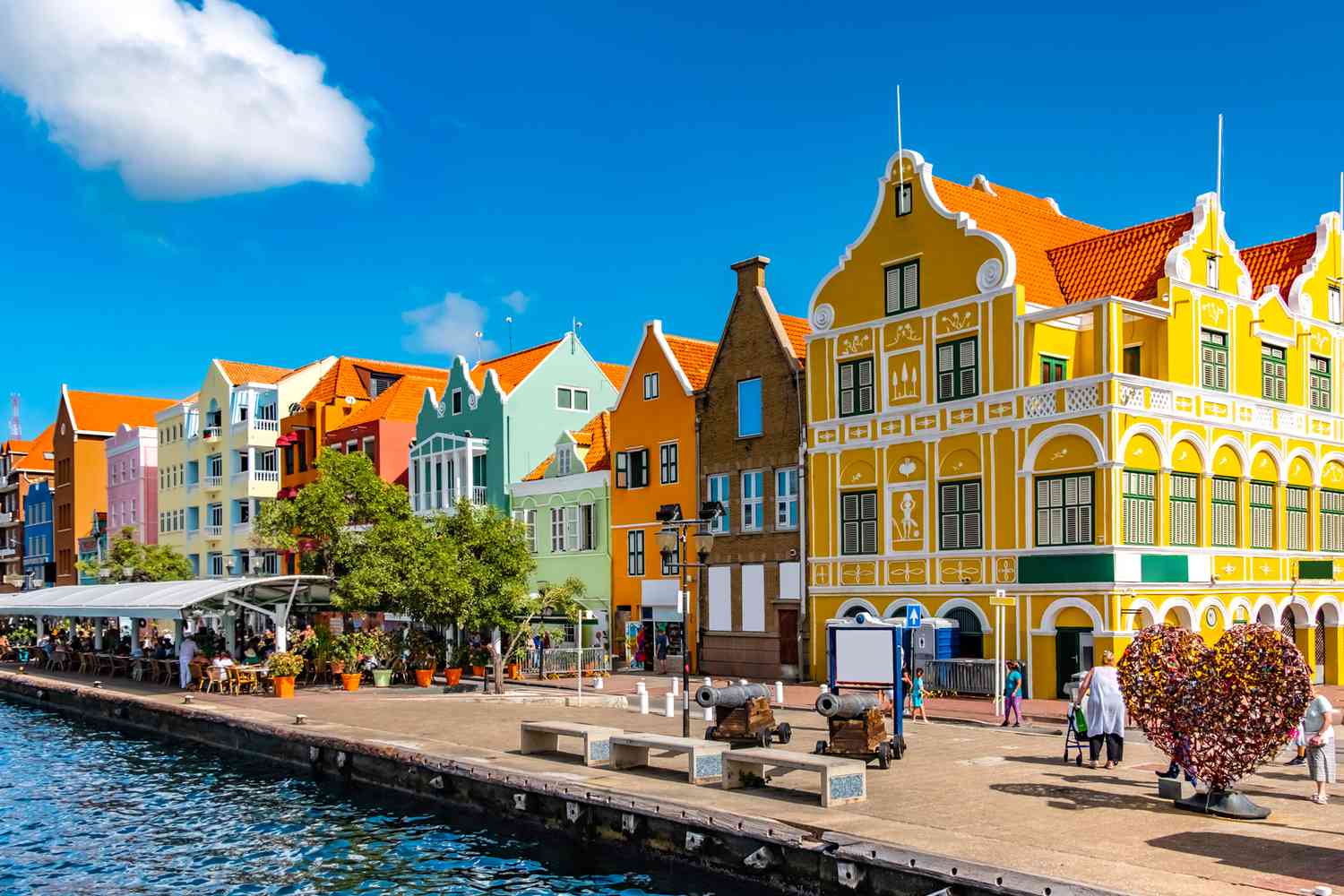
Let’s start with what most people already know. Curacao’s been around the gaming space longer than most jurisdictions. It offers a license that’s simple, functional, and affordable. That’s why hundreds of iGaming and casino sites list Curacao in their footer — even if most players barely notice.
What makes it appealing is the speed of setup, low cost, and a single license that covers various gaming verticals. You don’t need to rent office space on the island, and there’s an ecosystem of agents and corporate services to help you through the process. It’s efficient.
Still, Curacao is tightening up. The days of zero oversight are gone. Expect more documentation, slower approvals, and a closer eye on AML and KYC systems. But for most small to medium operators, the trade-off is still worth it.
Canada — Great for Scale, Tougher for Startups
Canada, on the other hand, is all about regulation — and reputation. It’s not easy to get in, but once you’re there, you gain access to a trustworthy market and institutional partners who wouldn’t give you the time of day under a lesser license.
Gaming is regulated at the provincial level, with Ontario leading the way in terms of private operator frameworks. You apply through the Alcohol and Gaming Commission of Ontario (AGCO), and once approved, you’re seen as fully legit. That helps with payment processors, ad networks, and mainstream media placements.
It’s expensive, though. You’ll need lawyers, auditors, and probably six months or more of runway just to get through the setup. It’s also strict — one misstep, and you’re looking at serious fines or even blacklisting. But for companies with funding and a long-term vision, Canada can open big doors.
El Salvador — The Wildcard That’s Gaining Structure
El Salvador is the wildcard in this mix. Ever since it made Bitcoin legal tender, it’s been experimenting with policies designed to attract global tech and finance companies. In 2025, this includes gaming.
Special economic zones are rolling out flexible licensing paths for digital platforms — including those that want to combine gaming and crypto. Some licenses are already being issued under this system, and while it’s still new, the momentum is real.
Why consider it? The cost is moderate, crypto integration is encouraged (not just tolerated), and there’s the appeal of being early in a jurisdiction that’s clearly pro-innovation.
But don’t jump in blind. The legal framework is still maturing. Banking is limited. English documentation can be inconsistent. And many providers still don’t know how to treat Salvadoran licenses. It’s a play for long-term builders with a tolerance for uncertainty — and a vision that goes beyond the next six months.
What Should You Think About When Choosing?
It’s tempting to just go for speed and cost — and Curacao wins there. But if your company plans to raise funds, sign big media deals, or get listed in app stores that look hard at legal credibility, you’ll need to think bigger.
If you’re already operating and just need a place to cleanly register, Curacao still delivers. If you’re launching in North America and want to build trust with regulators, Canada is hard to beat — assuming you can afford it. If you’re trying to do something new — maybe merge NFTs, betting, and social interaction — El Salvador may be the only one that says “yes” instead of “wait and see.”
Banking is another key issue. Canadian-licensed firms have access to top-tier banks. Curacao-based companies need to work harder, often through offshore fintechs. Salvadoran setups usually go the crypto-first route, with limited fiat options — at least for now.
Final Thoughts
There’s no perfect answer — just better fits depending on what you’re building and where you want to go.
In 2025, Curacao remains the best-known entry point for lean teams and fast launches. Canada is the heavyweight route, best for those with capital and patience. El Salvador is the high-risk, high-reward play for innovators willing to help shape the rules as they go.
Whatever you pick, make sure the license works for your roadmap — not just your launch. Because getting online is one thing. Staying there? That’s what separates a gaming company from a real business.