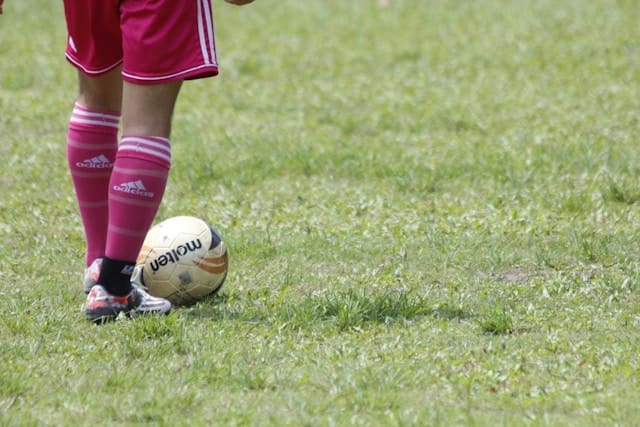
The penalty kick is perhaps one of the most dreaded events by football—or soccer, depending on your persuasion—players.
While it gives them a free kick to redeem their foul, missing the goal would block their team’s road to winning.
With that, players learned to bluff, or mislead their rival from successfully blocking the ball, thus increasing their chance of scoring a goal.
Additionally, a player showing a fidgety stance to conceal their aggressive intentions may mislead the opposing goalkeeper into thinking they won’t make the kick.
So, who knew a hallmark tactic in poker applies in the fierce world of football?
Who would’ve thought that being shrewd about your real intentions to increase your odds of winning would tie seemingly different worlds together?
Regardless of whether you’re in for the tempestuous bout in the green field or the intense blank faces exchanged on the poker table, one thing is for sure:
Poker and football penalties have parallels that teach us about the mental battle of confidence, control, and psychology.
Let’s dive into how bluffing is seminal to football and why mastering the poker tactic marks the contrast between winning and losing.
Bluffing 101: The Secret to Gaining Advantage in the Field
So, what is bluffing?
It is the art of misleading your opponent into making a wrong move based on false assumptions.
The most common example is to feign you have a stronger hand than you truly do; doing so may or may not convince other players to fold theirs and give you the chance to win.
In Pusoy, a poker-like game from the Philippines, players bluff to mislead opponents into dealing weaker hands in the earlier rounds.
The bait—if taken hook, line, and sinker—allows them to gain more points and control of the game, paving a clearer path for them to win.
On the other hand, bluffing takes a slightly different shape in football, albeit it still hinges on reading the opposing team and signaling them to react to the deception.
Below is a detailed breakdown of how penalty kicks mirror the art of masterful deceit in poker:
1. The Kicker’s Bluff: Deception Through Body Language
Football is known to be aggressive, yet that doesn’t mean strikers shouldn’t be cagey from time to time.
The best strikers are tactical; they don’t just kick the ball and hope for the best.
Adept kickers bluff by using subtle body cues to trick the goalkeeper. These signals include:
- Eyes to the left, shot kicked to the right—many players will look in one direction while planning to shoot the other way.
- Delayed run-ups—some strikers slow their approach or add a skip to their routine to dissuade the goalkeeper from diving at the right time and blocking the ball.
- Staring contests—intense eye contact, or the lack of it, can either intimidate or mislead the keeper.
As with poker and Pusoy, sometimes holding back for a bit is a wiser approach to lead players into folding early. At the same time, being more assertive might prevent them from challenging you further.
2. The Goalkeeper’s Bluff: Bait and Switch
If strikers can be cunning on the field, so too can the goalkeepers.
Their bluff pivots on misdirecting the kicker and leading them to be careless with their shot.
Some of the bluffing techniques goalkeepers do are:
- Early movement—Some goalkeepers dive early on purpose to influence where the striker places the ball.
- Standing still—Some keepers wait until the last possible second, baiting the kicker to act first.
- False cues—Keepers may shift their weight subtly or gesture to one side to invite a shot to the other.
Similar to a Pusoy player baiting others to overplay their hands, the keeper invites overconfidence and capitalizes on hesitation, trapping strikers to kick carelessly.
3. Penalty Shootouts: The Final Bluff
Penalty shootouts are like the final hand of a poker game.
Everyone is under pressure to read through bluffs and make the right call; there is no time to hesitate, as losing focus will lead to massive losses.
This is the perfect time for players to incorporate emotional discipline in their facade to maintain control and composure.
For instance, a nervous kicker might shoot straight at the keeper, potentially incurring more fouls; an overconfident keeper might dive too soon, enabling the rival striker to score.
On the whole, a Pusoy or football player who reads the situation calmly and learns to control the pace tips the winning odds in their favor.
What Poker Teaches Us About Penalty Kicks
In poker, you might face moments where your hand isn’t the strongest. That said, your strategy and psychology can help you bait your rivals into folding, clearing the path for you to win.
The same principle applies to penalties. Here’s what the bluffing mindset reveals about penalty kicks:
1. It’s Not Always About Power or Skill
Having the best “cards” (in football, raw shooting skill) doesn’t guarantee success.
A confident bluff can still beat a strong hand, especially if your opponent misreads the situation.
2. Reading Opponents is Everything
Just as Pusoy players read betting patterns and body language, penalty takers and goalkeepers look for and analyze behaviors such as
- Tension in the eyes
- Subtle shifts in weight
- Confidence versus hesitation
Reading these cues accurately widens the gap between scoring and missing.
3. You Have One Shot, One Decision
Once a player takes their shot or reveals their card, there’s no going back. Advancing their play means they are taking a step forward and sealing the outcomes.
Then again, the final results might not always go according to plan. Timing, strategizing, and staying composed under pressure are crucial to making an accurate shot or calling a bluff successfully.
Final Thoughts: Bluffing, a Mirror Between Poker and Football
From the card table to the sports field, bluffing is more than just a trick; it’s a strategy rooted in confidence, psychology, and control.
Whether you’re building a royal flush or facing down a goalie, mastering the art of bluffing is what will lead you to the podium of champions—or the winner’s pot.
So, the next time you’re watching a football match or an intense poker tournament, look closely.
You’ll find that the real action isn’t just in the ball or the cards, but in the faces, fakes, and fears of the players involved.