Sweden’s permissive approach to gambling sponsorship of football differs from its neighbors who go for bans, while betting operators continue to be sponsors for Swedish teams as the Netherlands concludes all gambling sponsorships by July 2025.
Sweden’s system allows state-owned Svenska Spel and licensed operators like Betsson and Unibet to sponsor football teams on the condition of “moderate” marketing clauses and raises massive revenue for teams from all leagues while maintaining the guardrails of responsible gaming intact.
Current sponsorship landscape
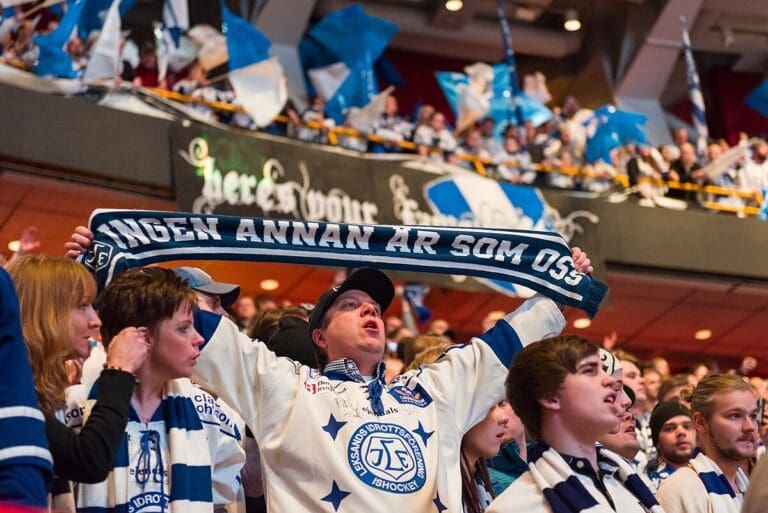
Swedish football clubs openly partner with licensed betting operators, and various Allsvenskan teams brand kits and pitch signage with betting brand names. The transition from unlicensed casino sponsors to newly licensed operators in 2019 indicated the market’s fast adaptation to the licensing regime.
State-owned Svenska Spel also has huge partnerships with the national federations and the youth sport movements and spends millions annually on community development. The private operators complement this funding in the form of commercial partnerships with the individual clubs.
Unlike the voluntary Premier League front-of-shirt gambling sponsor ban from 2026 or the blanket ban in the Netherlands, Swedish authorities have rebuffed pressures for further limits and view responsible sponsorship as strengthening sport funding and channelling the market.
Regulatory environment favoring partnerships
Sweden’s 2018 Gambling Act mandates that marketing be “moderate” but refrains from prescriptive sponsorship limits. This approach to regulation is a practical equilibrium between consumer safeguards and preserving sports revenue streams that benefit the population across the country.
“The co-operation between licensed gaming operators and sport offers a healthy environment in which responsible gambling messages go hand-in-hand with funding,” says industry research. Problem gambling awareness programmes are standard features of Svenska Spel’s sponsorship contracts.
Swedish Trade Association for Online Gambling (BOS) created codes of self-regulation that ensure that sponsorships do not involve children so as to mirror the self-regulatory environment.
Increasing European divergence
While Sweden maintains its open-mindedness, neighbours on the continent go the opposite ways. The Netherlands will abolish all gambling sport sponsorships until July 2025 and withdraw an estimated annual €70 million from Dutch football.
Germany allows blanket betting sponsorships with 17 of 18 Bundesliga clubs having gambling sponsors in the 2022/23 season, but political pressure for restrictions is gathering. The UK compromise agreement permits stadiums and sleeve branding but not front-of-shirt branding.
Sweden’s predictable regulatory climate has spared the financial shock of Dutch clubs, with some teams suffering 10% funding gaps from the lost revenue of dropped sponsorships.
Financial impacts on Swedish football
Perpetuation of gambling sponsorship provides Swedish football steady funding unavailable in increasingly clampdown European leagues. The top and second-tiered leagues alike benefit from relationships that would be prohibited elsewhere on the continent.
Licenses from gambling operators fund the development of players, infrastructure and community programmes in Swedish football. The licensing model assures the revenue is from legal sources governed by regulation and taxation.
Sports economists note that the Swedish model achieves optimal taxation revenue and sport funding and still incorporates consumer protections in the form of deposit limits and self-exclusion programs.
Future prospects remain positive
Despite occasional political arguments for tighter regulations on advertising, Swedish officials do not currently intend to follow the Dutch model of blanket banning. In 2021, a parliamentary committee rejected proposals for tighter restrictions and left things unchanged.
Sweden’s balanced approach of 85% market channelization plus sound sport funding provides a point of reaction to blanket bans being enacted elsewhere. Industry observers report Sweden’s model shows responsible gambling sponsorship and efficient player protection need not be mutually exclusive.
Since European football is governed by a patchwork of differing gambling regulations on sponsorship, Swedish teams stand to gain from predictable partnership revenues whilst competitors in small marketplaces seek elsewhere for finance.
RELATED ARTICLES