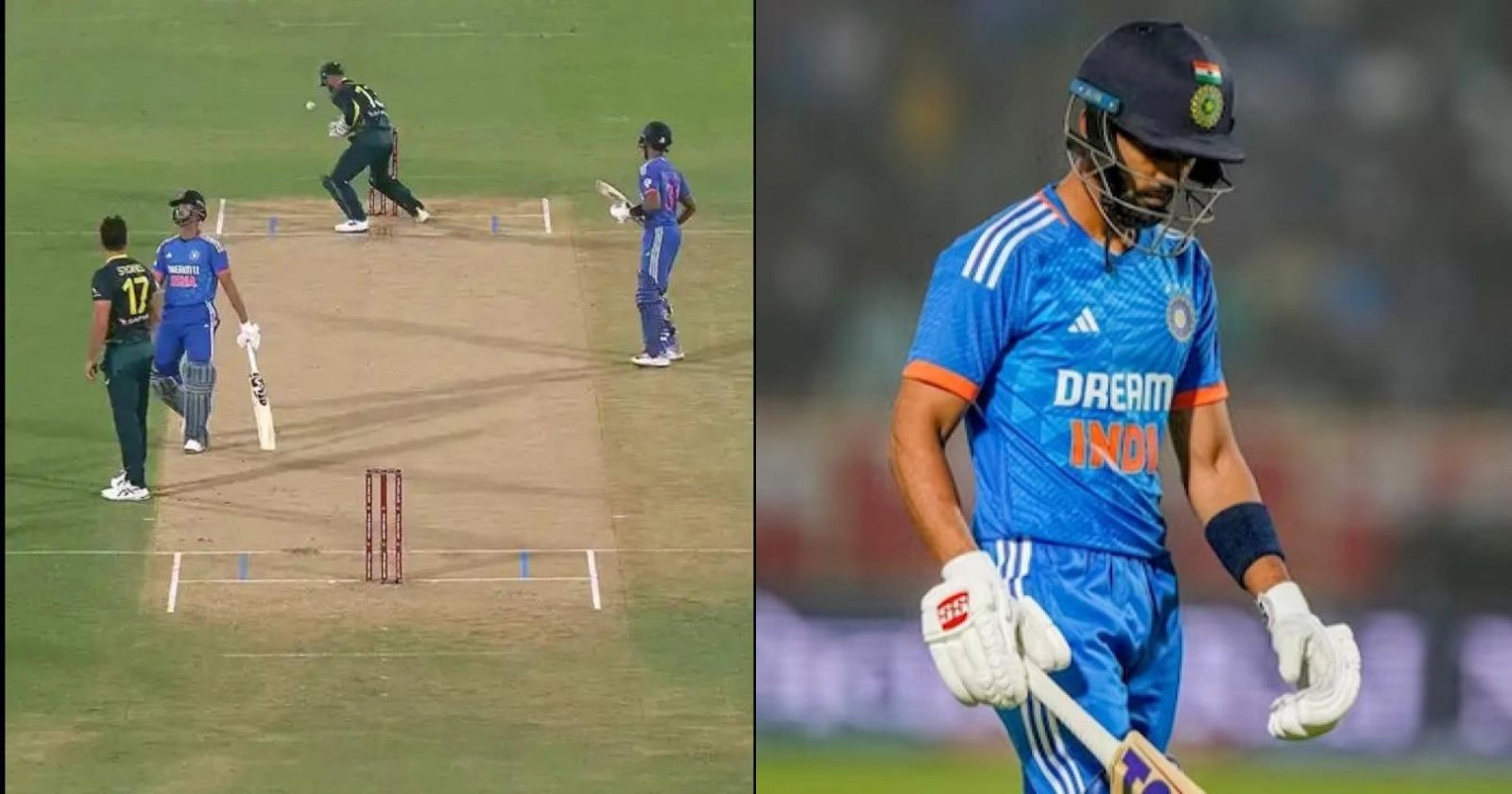
A diamond duck in cricket is when a batter is dismissed without facing a single legal delivery. It’s one of the rarest and most unfortunate ways to get out.
The batter doesn’t even get a chance to swing at the ball; they’re gone before their first legitimate opportunity.
The term plays on cricket’s colorful “duck” naming system, where “diamond” implies something exceptionally rare and unlucky compared to other duck types.
Cricket’s Duck System
Before diving into the diamond duck specifically, it helps to understand cricket’s complete duck terminology. A duck simply means being dismissed for zero runs. But the type of duck depends on when and how you’re dismissed.
Types of Ducks Compared:
| Duck Type | When It Happens | Example | Frequency |
| Diamond Duck | Dismissed without facing any legal ball | Run out before first delivery | Extremely Rare |
| Golden Duck | Dismissed on the first legal ball faced | Out on ball #1 | Fairly Common |
| Silver Duck | Dismissed on the second legal ball faced | Out on ball #2 | Uncommon |
| Bronze Duck | Dismissed on the third legal ball faced | Out on ball #3 | Rare |
| Royal/Platinum Duck | Dismissed on the first ball of the innings | Opening batter out first ball | Uncommon |
| Pair | Dismissed for ducks in both innings | Out 0-0 in Test cricket | Rare |
| King Pair | Golden ducks in both innings | Out golden in both innings | Extremely Rare |
The key difference: a golden duck means you faced a ball and got out immediately. A diamond duck means you didn’t face any ball at all; you were already out before your turn even came.
How Does a Diamond Duck Happen?
A diamond duck is most commonly caused by a run-out at the non-striker’s end. Here’s the typical scenario:
The opening batter is at the crease. The bowler delivers the first ball. As the batting partnership sets up to take a run, something goes wrong. The non-striker (who hasn’t faced any ball yet) gets run out trying to complete the run. They’re dismissed without ever facing a legal delivery.
Other ways a diamond duck can occur:
- Stumped on a wide delivery ; A batter advances down the pitch and gets stumped off a wide ball (wides don’t count as legal deliveries, so this is still a diamond duck)
- Timed out ; A batter doesn’t take guard and doesn’t come to the crease within the allotted time, resulting in dismissal before facing anything
- Obstructing the field ; A batter obstructs a fielder or field before the ball is bowled, resulting in dismissal
- Run-out off deflection ; The bowler deflects the batter’s shot onto the stumps of the non-striker, who hasn’t yet faced a legal ball
The common thread: the dismissed batter never got the chance to actually bat.
Why Is It Called a “Duck”?
The term “duck” originated in cricket’s early days from the shape of the number 0 (zero), which resembles a duck’s egg. Originally called a “duck’s egg,” the term was eventually shortened to just “duck.”
The origin is documented back to 1866 when a newspaper reported that the Prince of Wales (later King Edward VII) “retired to the royal pavilion on a duck’s egg” after being dismissed for zero.
The naming tradition for different types of ducks follows a clear pattern:
- Golden; Most common and notable (gold is precious)
- Silver; Second ball duck (silver comes after gold)
- Bronze; Third ball duck (bronze comes after silver)
- Diamond; Dismissed without facing any ball (diamond is rarer and more precious than gold)
- Platinum/Royal; First ball of the innings (platinum is the rarest metal)
How Rare Are Diamond Ducks?
Diamond ducks are extremely rare in cricket. Most batters never experience one in their entire career. The rarity makes it even more notable when it does happen; it often becomes a talking point in cricket commentary.
In most modern cricket, diamond ducks are more common in:
- White-ball cricket (T20s, ODIs) where aggressive running and quick singles are attempted constantly
- End of innings situations where batters are sacrificing wickets to maximize scoring
- Lower-order batters in team situations where quick runs are needed
In Test cricket, diamond ducks are exceptionally rare because the pace of play is slower and running is more calculated.
Famous Diamond Duck Instances
Several notable cricketers have suffered diamond ducks despite their quality:
- Virender Sehwag; The aggressive Indian opener experienced a diamond duck
- Sam Curran; The English all-rounder has been dismissed this way
- James Anderson; The England bowler got a diamond duck despite his batting experience
- Numerous Indian batters; From prominent to lesser-known players, several have been caught out
These examples show that even experienced, skilled batters aren’t immune to the misfortune of a diamond duck. It’s more about circumstance and timing than skill.
Impact of a Diamond Duck
A diamond duck affects a batter’s statistics negatively:
- Batting average; Counted as zero runs in the numerator, which hurts average
- Strike rate; Technically undefined since the batter faced zero balls (0 runs ÷ 0 balls = N/A)
- Psychological impact; Being dismissed without a chance to bat can be frustrating and demoralizing
However, the statistical impact is minimal because diamond ducks are so rare that one incident rarely defines a batter’s overall record.
Diamond Duck vs. Golden Duck
Golden Duck:
- Batter faced the first legal ball
- Got out on that very first delivery
- More common (many players experience golden ducks)
- Shows no time to settle
Diamond Duck:
- Never faced any legal ball
- Got out before getting a chance
- Extremely rare
- Bad luck more than bad technique
Both are unfortunate, but a diamond duck is more unusual.
FAQs
What’s the difference between a diamond duck and a golden duck?
A golden duck is when a batter faces the first ball and gets out immediately. A diamond duck is when they don’t face any ball at all; they’re dismissed before their turn even comes. Diamond ducks are much rarer.
Can a batter get a diamond duck in Test cricket?
Yes, though it’s exceptionally rare in Test cricket because batting pace is slower and runs are taken more cautiously. It’s more common in T20s and ODIs where aggressive running and quick singles are constant.
Is a diamond duck counted in batting statistics?
Yes, it’s counted as a zero (duck) in a batter’s record, affecting their average negatively. However, since diamond ducks are so rare, they rarely impact a player’s overall statistics significantly.
Who has the most ducks in cricket history?
Courtney Walsh holds the Test cricket record with 43 ducks. However, the record doesn’t specify how many were diamond ducks, as that term is less commonly recorded historically.
Can you get a diamond duck if you’re run out as a non-striker?
Yes. If the non-striker is run out before the first ball of the innings (or before facing a legal delivery), they have a diamond duck. This is one of the most common scenarios for diamond duck dismissals.