Bernard Bosanquet invented the googly in 1900. On a summer evening in July that year, during a County Championship match between Middlesex and Leicestershire at Lord’s, Bosanquet bowled this revolutionary delivery for the first time in first-class cricket.
Sam Coe, batting on 98, was stumped by a ball that bounced four times. Nobody quite understood what had happened. That moment changed cricket forever.
The Inspiration: Twisti-Twosti
The googly’s origin story begins not on a cricket pitch, but on a tabletop. Around 1897, Bosanquet was playing Twisti-Twosti; a game with a tennis ball where you bounce it on a table so your opponent can’t catch it.
The challenge: make one ball break one direction, then the next go the opposite way with nearly identical delivery.
This game sparked something in Bosanquet’s mind. Could the same principle work with a cricket ball? He experimented first with soft balls during stump-cricket, then progressed to the actual cricket ball at Oxford nets.
By 1899, he’d become a “star turn” at Oxford lunch intervals, where famous batters would face his trick delivery; it looked like a normal leg-break, then suddenly hit them on the knee while everyone laughed. He was eventually banned after too many embarrassed batters complained.
By 1900, he was ready for first-class cricket.
The First Public Delivery: Lord’s, July 1900
Sam Coe, on 98 and needing just two runs for a century, faced Bosanquet with routine confidence. To Coe’s eye, it looked like a normal leg-break. The pitch was soft. The ball bounced four times. Coe, expecting it to turn one way, was stumped.
Years later, Bosanquet recalled the moment with characteristic humor: the wicket “was rightly treated as a joke, and was the subject of ribald comment.” The crowd didn’t understand what they’d witnessed.
But it happened; the first documented googly wicket in first-class cricket.
What made this revolutionary wasn’t just that Bosanquet discovered a new delivery, but that he’d found something nobody had successfully integrated into first-class cricket: a delivery that looked like one thing but behaved like another.
What Made the Googly Different
A normal leg-break bowled by a leg-spin bowler turns away from a right-handed batter. Batters read these deliveries by watching the bowler’s wrist, finger position, and seam. They adjust accordingly.
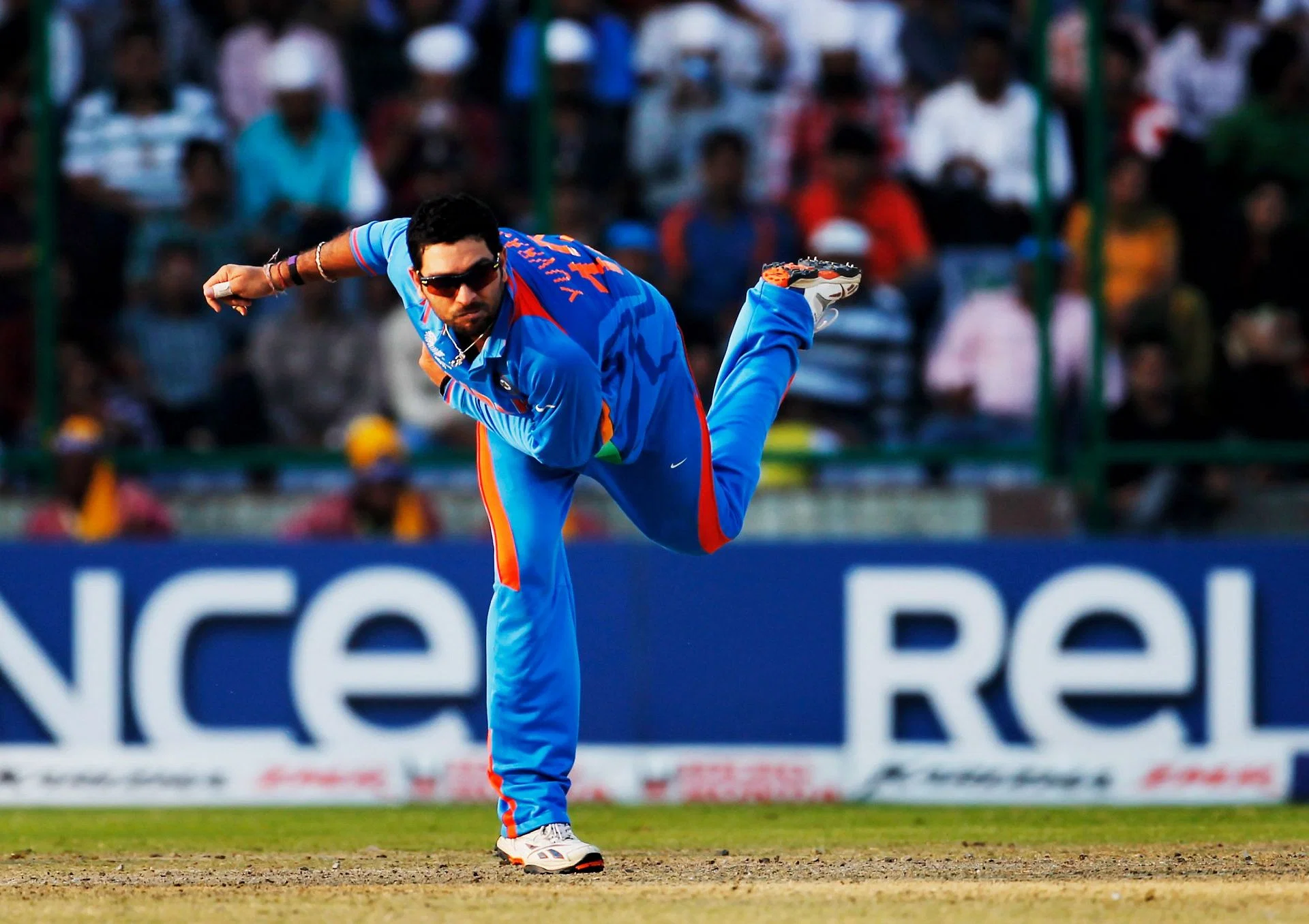
The googly looks identical. Same wrist position, same delivery action. But the wrist action is disguised; sharply bent at release. The ball emerges with opposite spin.
Instead of turning away, it turns toward the batter; from off toward leg. The batter, reading it as a normal leg-break, plays for the away-turn. The ball pitches and turns the opposite direction.
Bosanquet created deception at a fundamental level. The batter couldn’t distinguish between a leg-break and a googly until the moment the ball pitched.
For a game that valued predictability, this was unsettling. When Bosanquet stumped W. Gunn after he’d run down the pitch, Gunn’s teammate Arthur Shrewsbury protested. Bosanquet, asked if the googly was illegal, reportedly replied: “Oh no, only immoral.”
The Disputed Origins
Historical accuracy demands nuance. In 1935, Jack Hobbs wrote that an Oxford student named Herbert Page had bowled googlies in the 1880s; but never in first-class cricket.
Bosanquet was the first to use it successfully and consistently at the highest level. He remains rightfully credited as the bowler who brought the googly into the game.
Why the Googly Changed Cricket
After 1900, the googly didn’t remain Bosanquet’s secret. Reggie Schwarz, a South African cricketer at Middlesex, learned it from observation and brought it home.
South African bowlers; Schwarz, Aubrey Faulkner, Bert Vogler, and Gordon White; refined it until they became nearly unplayable. English and Australian bowlers followed.
By the early 1900s, the googly was so effective that batting suffered. Bowlers armed with this deception won matches against previously dominant batters.
Cricket faced a genuine crisis: the game seemed bowler-dominated. Some blamed the googly for deteriorating batting standards in the 1920s-30s.
Bosanquet faced criticism. In 1924, he published a defense in the Morning Post (reprinted in Wisden), arguing that batters weren’t adapting well enough.
His tone was humorous: “Poor old googly! It has been subjected to ridicule, abuse, contempt, incredulity, and survived them all.”
The truth was more complex. The googly didn’t ruin cricket; it evolved it. It forced batters to become more sophisticated.
It proved that spin bowling, properly executed, could dominate. For the sport, Bosanquet’s innovation became a defining moment.
Legacy and Alternative Names
The googly became known by different names in different cricket cultures. In Australia, it became the “Bosie” or “Bosey”; a direct eponym honoring its inventor. “Wrong ‘un” became British slang. The term “googly” itself has mysterious origins, possibly combining “goo” (innocence) and “guile” (trickery).
His Times obituary in 1936 captured his legacy perfectly: “No man probably has in his time had so important and lasting an influence on the game of cricket.” Bosanquet died in October 1936, having lived to see his discovery become fundamental to how cricket was played globally.
“Somewhere about the year 1897,” Bosanquet wrote in Wisden, “I was playing a game with a tennis ball, known as Twisti-Twosti.” From that simple table game came a delivery that would define cricket for generations.
FAQs
When exactly did Bosanquet first bowl the googly in a first-class match?
July 1900, during Middlesex versus Leicestershire at Lord’s. Sam Coe was dismissed, becoming the first documented googly wicket in first-class cricket.
What made the googly so different from other leg-spin deliveries?
The googly looks identical to a normal leg-break in delivery but turns the opposite direction after pitching. Batters couldn’t distinguish between the two until the ball actually pitched, making deception complete at a fundamental level.
Did anyone bowl googlies before Bosanquet?
Possibly. Some sources mention an Oxford student named Herbert Page bowling similar deliveries in the 1880s, but never in first-class cricket. Bosanquet was the first to use it successfully and consistently at the highest level.
How did the googly spread throughout cricket?
Reggie Schwarz, a South African cricketer at Middlesex, learned the delivery from Bosanquet and brought it home to South Africa. South African bowlers refined it further, and it eventually spread globally through English and Australian cricket.
Why do Australians call it a “Bosie” instead of a googly?
In Australia, the delivery became known as “Bosie” or “Bosey”; a direct eponym honoring Bernard Bosanquet, its inventor. Different cricket cultures adopted different names for the same delivery.