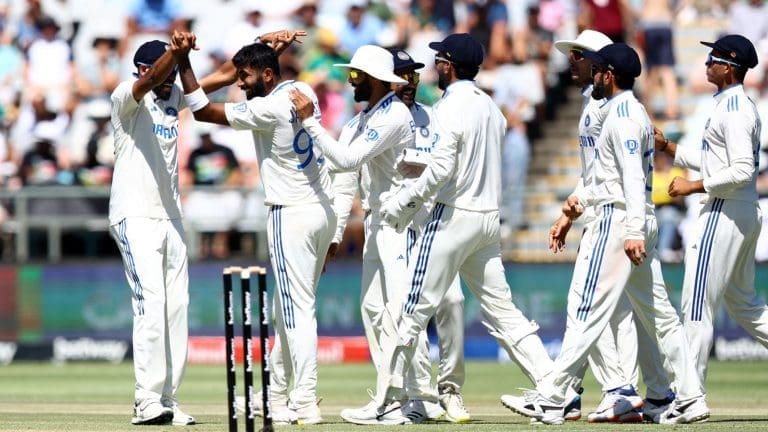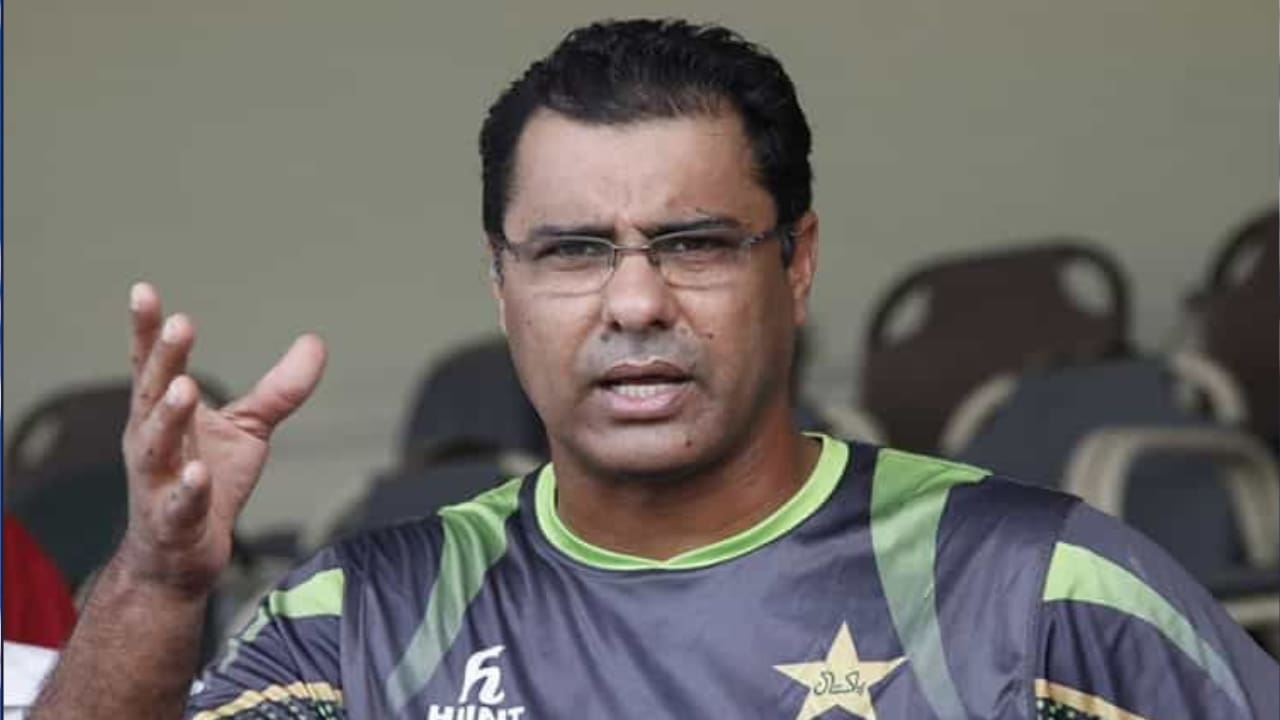
Waqar Younis is a name synonymous with fast bowling excellence in cricket. Known for his deadly yorkers and reverse swing, Younis terrorized batsmen worldwide during his playing career.
After retiring, he transitioned into coaching and has become one of Pakistan’s most respected cricket figures.
Waqar Younis’s Biography
| Attribute | Details |
|---|---|
| Full Name | Waqar Younis Maitla |
| Nickname | The Burewala Express, The Toe Crusher |
| Born | November 16, 1971 |
| Age | 53 |
| College | Government College, Burewala |
| Religion | Islam |
| Nationality | Pakistani |
| Height | 6 feet (183 cm) |
| Turned Pro | 1989 |
| Net Worth | Estimated $35 million |
| Spouse | Dr. Faryal Waqar Younis |
| Relationship Status | Married |
| Instagram Profile | @waqyounis99 |
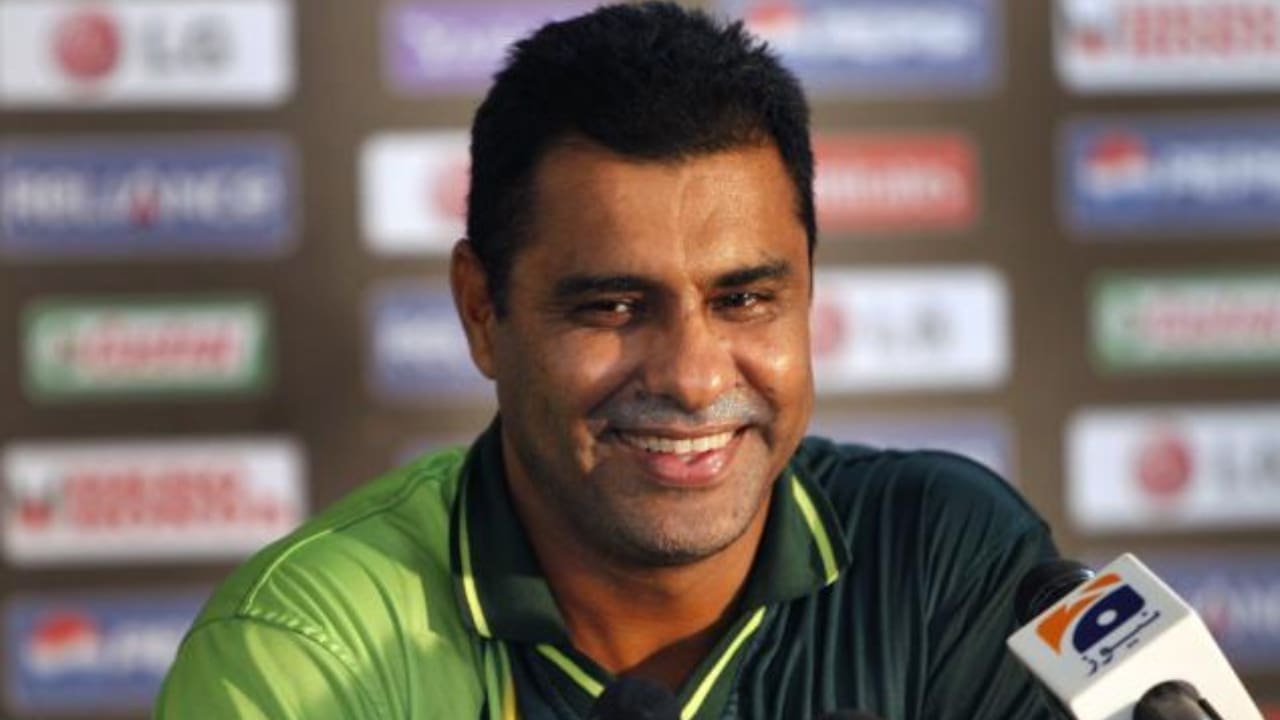
Waqar Younis was born in Vehari, Punjab, Pakistan, to a Punjabi Jat family. He spent part of his youth in Sharjah, UAE, where his father worked as a contract worker.
Early Career
Waqar Younis began his cricket journey in 1987-88, playing for various first-class clubs in Pakistan.
His talent caught the eye of legendary Pakistani captain Imran Khan, who spotted him during a televised match. Despite having played only six first-class games, Younis was selected for the national camp.
His breakthrough came when he replaced an injured Saleem Jaffar in a match against Delhi XI. Imran Khan, impressed by Younis’s performance, personally informed him of his selection for the upcoming tour to Sharjah.
Professional Career
Waqar Younis made his international debut in 1989, playing his first ODI against West Indies and his first Test against India. He quickly established himself as a fearsome fast bowler, forming a lethal partnership with Wasim Akram.
Younis’s ability to bowl at high speeds and generate reverse swing made him one of the most dangerous bowlers of his era. He took 373 wickets in 87 Tests and 416 wickets in 262 ODIs.
Younis holds the record for the fastest to reach 400 ODI wickets and has the second-best strike rate for bowlers with over 350 Test wickets. He captained Pakistan in 17 Tests and 62 ODIs, becoming the youngest Pakistani Test captain at 22 years and 15 days.
After retiring in 2003, Younis transitioned into coaching, serving as Pakistan’s bowling coach and head coach multiple times between 2006 and 2021.
Wife
Waqar Younis has been married to Dr. Faryal Waqar Younis since 2000. Faryal is a Pakistani-Australian doctor. The couple has 3 children together: a son named Azaan Waqar and two daughters, Mariam and Maira Waqar.
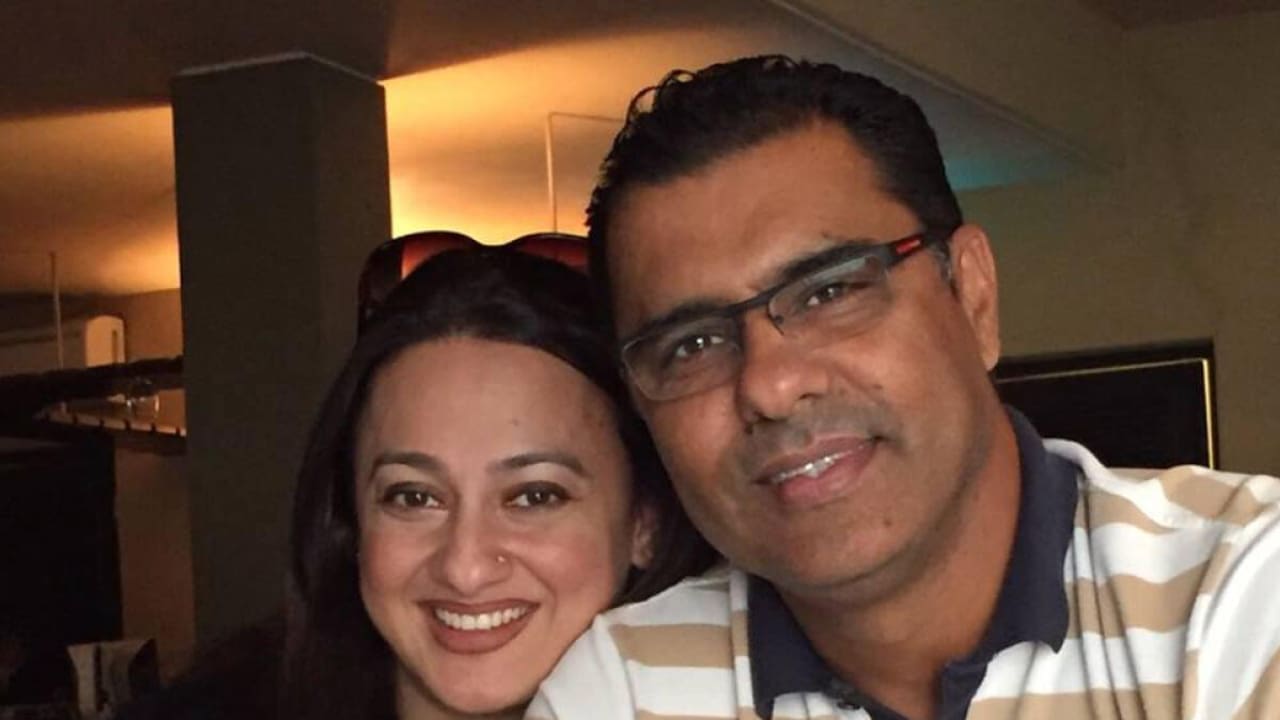
The family currently resides in Castle Hill, New South Wales, Australia.
Waqar Younis’s Net Worth Details
As of 2026, Waqar Younis’s net worth is estimated to be $35 million.
Contract
Waqar Younis is not under any long-term coaching contract. However, he was recently appointed as a mentor for the Lions team in the Champions One-Day Cup, a domestic tournament in Pakistan.
This role is part of a three-year contract with the Pakistan Cricket Board (PCB) to mentor domestic teams.
Career Earnings
| Year | Role | Estimated Earnings |
|---|---|---|
| 1989-2003 | Player | $5-7 million |
| 2006-2007 | Bowling Coach | $200,000-300,000 |
| 2010-2011 | Head Coach | $400,000-500,000 |
| 2014-2016 | Head Coach | $500,000-600,000 |
| 2019-2021 | Bowling Coach | $300,000-400,000 |
| 2022-2025 | Commentary/Mentoring | $1-2 million |
Endorsements
- Pepsi (during playing career)
- Coca-Cola (post-retirement)
- Mobilink (Pakistani telecom company)
- Boom Boom Cricket (mobile game)
Career Stats
| Opponent | Tests Played | Test Wickets | ODIs Played | ODI Wickets |
|---|---|---|---|---|
| India | 4 | 8 | 32 | 39 |
| Australia | 12 | 30 | 28 | 36 |
| England | 11 | 50 | 27 | 37 |
| South Africa | 7 | 24 | 22 | 27 |
| West Indies | 13 | 55 | 34 | 60 |
| New Zealand | 13 | 70 | 25 | 35 |
| Sri Lanka | 13 | 56 | 32 | 48 |
FAQs
1. What is Waqar Younis’s most memorable bowling performance?
One of Waqar’s most memorable performances was his 7/36 against England in 2001, which remains the best ODI bowling figures by a captain.
2. How did Waqar Younis develop his reverse swing technique?
Waqar learned the art of reverse swing from his senior teammate Sarfraz Nawaz and perfected it alongside Wasim Akram under the guidance of Imran Khan.
3. What challenges did Waqar Younis face during his coaching career?
As a coach, Waqar faced challenges such as managing player egos, dealing with board politics, and handling media pressure, especially during Pakistan’s poor performances in major tournaments.
4. How has Waqar Younis contributed to Pakistani cricket post-retirement?
Post-retirement, Waqar has served as a bowling coach, head coach, commentator, and mentor, helping develop young Pakistani fast bowlers and providing strategic insights.
5. What is Waqar Younis’s philosophy on fast bowling?
Waqar emphasizes the importance of pace, accuracy, and the ability to move the ball. He believes in aggressive bowling and considers the yorker as a crucial weapon for fast bowlers.
6. How does Waqar Younis compare to other great fast bowlers of his era?
Waqar is often ranked alongside greats like Wasim Akram, Curtly Ambrose, and Allan Donald. His ability to reverse swing the ball at high speeds set him apart from many of his contemporaries.
7. What role did Waqar Younis play in Pakistan’s 1999 World Cup campaign?
Waqar played a limited role in the 1999 World Cup due to fitness issues, appearing in only one match. However, he was part of the squad that reached the final.
8. How has Waqar Younis adapted to the changing landscape of T20 cricket?
As a coach and commentator, Waqar has embraced T20 cricket, emphasizing the importance of yorkers and slower balls in this format while still advocating for the role of genuine fast bowling.
9. What is Waqar Younis’s stance on the use of technology in cricket?
Waqar has generally been supportive of technological advancements in cricket, including DRS, but has emphasized the need for consistent and fair implementation across all levels of the game.
10. How does Waqar Younis balance his cricket commitments with his family life?
Waqar has spoken about the challenges of balancing his cricket career with family life. He credits his wife, Dr. Faryal, for managing their family while he travels for cricket-related commitments. His move to Australia has allowed him to spend more time with his family while still staying involved in cricket through commentary and mentoring roles.