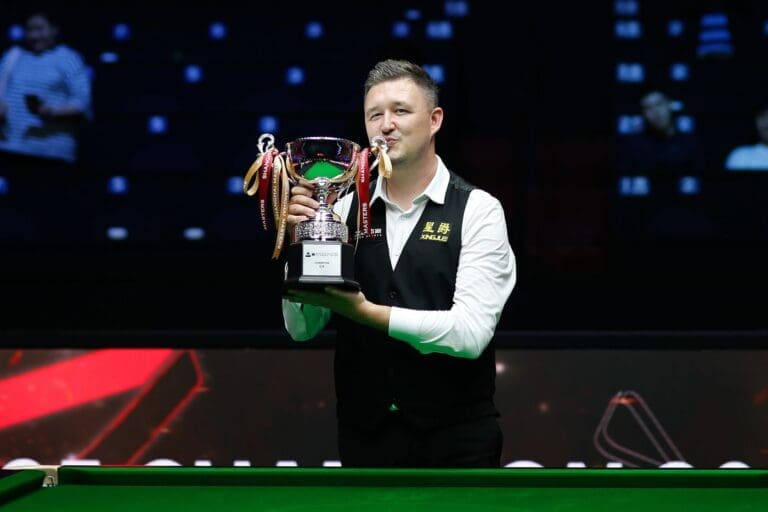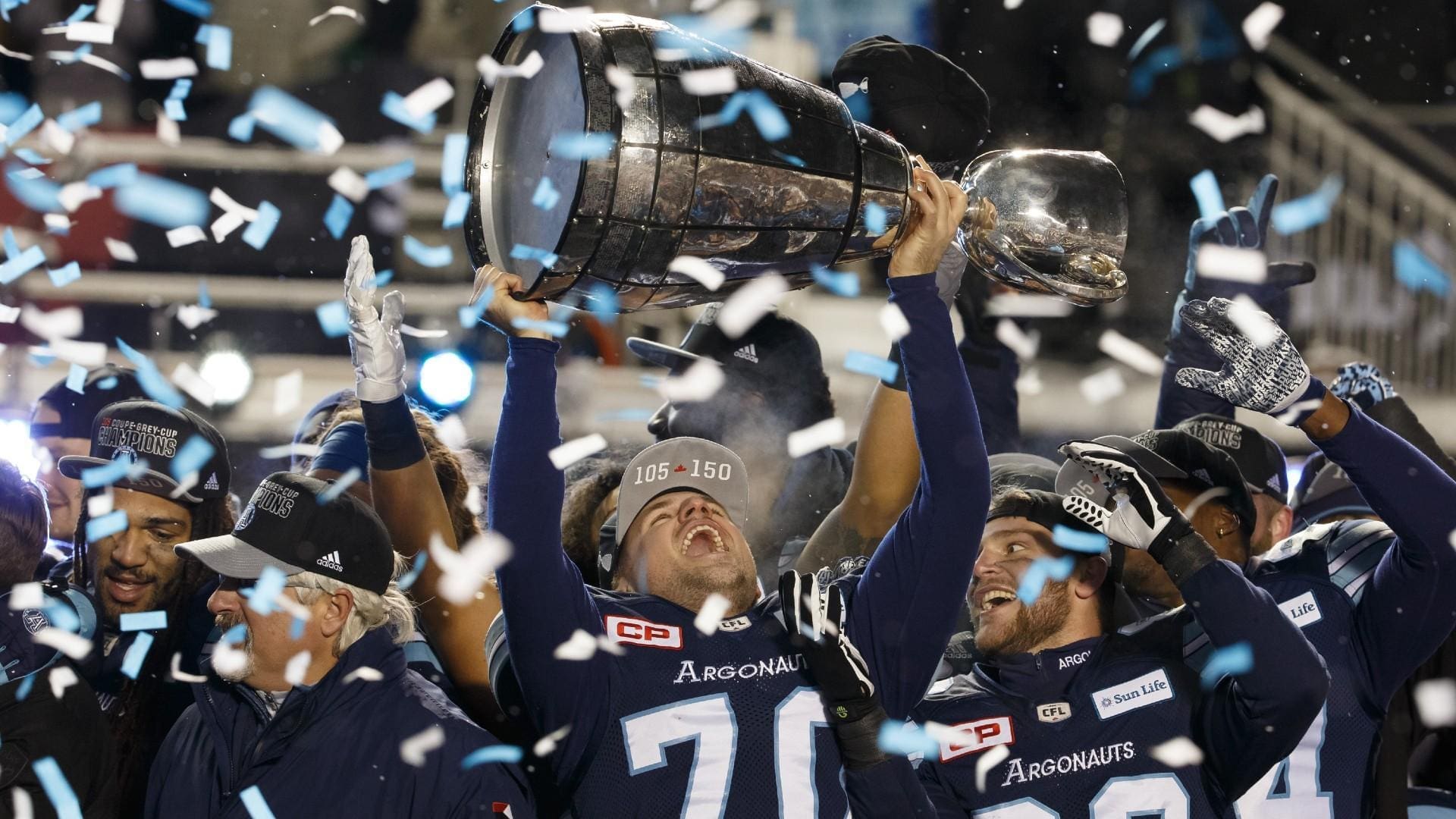
Toronto Argonauts lead all-time with 19 Grey Cup championships spanning from 1914 through 2024. Edmonton Elks (formerly Edmonton Eskimos) rank second with 14 titles, while Winnipeg Blue Bombers have appeared in 29 championship games; more than any team.
But won only 12. Since 1909, 14 different franchises have won the Grey Cup across 112 championship games, with competitive balance shifting dramatically over more than a century of Canadian football history.
The Grey Cup remains Canada’s largest annual sports event, drawing 3-4 million viewers and defining entire seasons with a single championship game played each November.
This complete guide provides every Grey Cup winner from 1909-2025 with year-by-year results, franchise records, championship eras, and analysis of how dominance evolved across decades.
Quick Answers: Essential Grey Cup Facts
| Fact | Answer |
| Most Championships | Toronto Argonauts (19 wins) |
| Second Most | Edmonton Elks (14 wins) |
| Most Appearances | Winnipeg Blue Bombers (29 games) |
| Longest Dynasty | Edmonton Eskimos (5 consecutive, 1978-1982) |
| Total Games Played | 112 championship games (1909-2025) |
| Teams That Won | 14 different franchises |
| Teams That Appeared But Never Won | 0 currently active teams |
| Oldest American Winner | Baltimore Stallions (1995 only) |
Complete Grey Cup Winners 1909-2025 (Year-by-Year)
Note: Years reflect when the championship game was played. Teams play during the previous calendar year season. Click year for additional details.
2020s Decade
| Year | Winner | Runner-Up | Score | Location | Notes |
| 2025 | Saskatchewan Roughriders | Montreal Alouettes | 25-17 | Winnipeg, Manitoba | Saskatchewan’s first title in 12 years (since 2013) |
| 2024 | Toronto Argonauts | Winnipeg Blue Bombers | 41-24 | Vancouver, British Columbia | Toronto’s second championship in 3 years |
| 2023 | Montreal Alouettes | Winnipeg Blue Bombers | 28-24 | Hamilton, Ontario | Montreal’s first championship since 2010 |
| 2022 | Toronto Argonauts | Winnipeg Blue Bombers | 24-23 | Regina, Saskatchewan | Toronto’s first championship since 2017 |
| 2021 | Winnipeg Blue Bombers | Hamilton Tiger-Cats | 33-25 OT | Hamilton, Ontario | Winnipeg’s back-to-back championship |
| 2020 | CANCELLED | — | — | — | Due to COVID-19 Global Pandemic |
| 2019 | Winnipeg Blue Bombers | Hamilton Tiger-Cats | 33-12 | Calgary, Alberta | Winnipeg’s fourth championship |
2010s Decade
| Year | Winner | Runner-Up | Score | Location | Notes |
| 2018 | Calgary Stampeders | Ottawa Redblacks | 27-16 | Edmonton, Alberta | Calgary’s eighth championship |
| 2017 | Toronto Argonauts | Calgary Stampeders | 27-24 | Ottawa, Ontario | Toronto’s third championship this decade |
| 2016 | Ottawa Redblacks | Calgary Stampeders | 39-33 | Toronto, Ontario | Ottawa’s first championship since 1976 |
| 2015 | Edmonton Eskimos | Ottawa Redblacks | 26-20 | Winnipeg, Manitoba | Edmonton’s eleventh championship |
| 2014 | Calgary Stampeders | Hamilton Tiger-Cats | 20-16 | Vancouver, British Columbia | Calgary’s seventh championship |
| 2013 | Saskatchewan Roughriders | Hamilton Tiger-Cats | 45-23 | Regina, Saskatchewan | Saskatchewan’s fourth championship; played at home |
| 2012 | Toronto Argonauts | Calgary Stampeders | 35-22 | Toronto, Ontario | Toronto’s second championship; played at home |
| 2011 | British Columbia Lions | Winnipeg Blue Bombers | 34-23 | Vancouver, British Columbia | BC’s fifth championship; played at home |
| 2010 | Montreal Alouettes | Saskatchewan Roughriders | 21-18 | Edmonton, Alberta | Montreal’s ninth championship |
2000s Decade
| Year | Winner | Runner-Up | Score | Location | Notes |
| 2009 | Montreal Alouettes | Saskatchewan Roughriders | 28-27 | Calgary, Alberta | Montreal’s eighth championship |
| 2008 | Calgary Stampeders | Montreal Alouettes | 22-14 | Montreal, Quebec | Calgary’s sixth championship |
| 2007 | Saskatchewan Roughriders | Winnipeg Blue Bombers | 23-19 | Toronto, Ontario | Saskatchewan’s third championship |
| 2006 | British Columbia Lions | Montreal Alouettes | 25-14 | Winnipeg, Manitoba | BC’s fourth championship |
| 2005 | Edmonton Eskimos | Montreal Alouettes | 38-35 OT | Vancouver, British Columbia | Edmonton’s tenth championship |
| 2004 | Toronto Argonauts | British Columbia Lions | 27-19 | Ottawa, Ontario | Toronto’s fourth championship |
| 2003 | Edmonton Eskimos | Montreal Alouettes | 34-22 | Regina, Saskatchewan | Edmonton’s ninth championship |
| 2002 | Montreal Alouettes | Edmonton Eskimos | 25-16 | Edmonton, Alberta | Montreal’s seventh championship |
| 2001 | Calgary Stampeders | Winnipeg Blue Bombers | 27-19 | Montreal, Quebec | Calgary’s fifth championship |
| 2000 | British Columbia Lions | Montreal Alouettes | 28-26 | Calgary, Alberta | BC’s third championship |
1990s Decade
| Year | Winner | Runner-Up | Score | Location | Notes |
| 1999 | Hamilton Tiger-Cats | Calgary Stampeders | 32-21 | Vancouver, British Columbia | Hamilton’s sixth championship |
| 1998 | Calgary Stampeders | Hamilton Tiger-Cats | 26-24 | Winnipeg, Manitoba | Calgary’s fourth championship |
| 1997 | Toronto Argonauts | Saskatchewan Roughriders | 47-23 | Edmonton, Alberta | Toronto’s third championship; back-to-back |
| 1996 | Toronto Argonauts | Edmonton Eskimos | 43-37 | Hamilton, Ontario | Toronto’s second championship |
| 1995 | Baltimore Stallions | Calgary Stampeders | 37-20 | Regina, Saskatchewan | Only American franchise to win Grey Cup |
| 1994 | British Columbia Lions | Baltimore CFLers | 26-23 | Vancouver, British Columbia | BC’s second championship; stopped American team |
| 1993 | Edmonton Eskimos | Winnipeg Blue Bombers | 33-23 | Calgary, Alberta | Edmonton’s eighth championship |
| 1992 | Calgary Stampeders | Winnipeg Blue Bombers | 24-10 | Toronto, Ontario | Calgary’s third championship |
| 1991 | Toronto Argonauts | Calgary Stampeders | 36-21 | Winnipeg, Manitoba | Toronto’s first championship of 1990s |
| 1990 | Winnipeg Blue Bombers | Edmonton Eskimos | 50-11 | Vancouver, British Columbia | Winnipeg’s sixth championship; dominant victory |
1980s Decade
| Year | Winner | Runner-Up | Score | Location | Notes |
| 1989 | Saskatchewan Roughriders | Hamilton Tiger-Cats | 43-40 | Toronto, Ontario | Saskatchewan’s second championship |
| 1988 | Winnipeg Blue Bombers | British Columbia Lions | 22-21 | Ottawa, Ontario | Winnipeg’s fifth championship |
| 1987 | Edmonton Eskimos | Toronto Argonauts | 38-36 | Vancouver, British Columbia | Edmonton’s seventh championship |
| 1986 | Hamilton Tiger-Cats | Edmonton Eskimos | 39-15 | Vancouver, British Columbia | Hamilton’s fifth championship |
| 1985 | British Columbia Lions | Hamilton Tiger-Cats | 37-24 | Montreal, Quebec | BC’s first championship |
| 1984 | Winnipeg Blue Bombers | Hamilton Tiger-Cats | 47-17 | Edmonton, Alberta | Winnipeg’s fourth championship |
| 1983 | Toronto Argonauts | British Columbia Lions | 18-17 | Vancouver, British Columbia | Toronto’s fourth championship; first in 1980s |
| 1982 | Edmonton Eskimos | Toronto Argonauts | 32-16 | Toronto, Ontario | Edmonton’s sixth championship; end of dynasty era |
| 1981 | Edmonton Eskimos | Ottawa Rough Riders | 26-23 | Montreal, Quebec | Edmonton’s fifth consecutive championship |
| 1980 | Edmonton Eskimos | Hamilton Tiger-Cats | 48-10 | Toronto, Ontario | Edmonton’s fourth consecutive championship |
| 1979 | Edmonton Eskimos | Montreal Alouettes | 17-9 | Montreal, Quebec | Edmonton’s third consecutive championship |
| 1978 | Edmonton Eskimos | Montreal Alouettes | 20-13 | Toronto, Ontario | Start of Edmonton’s historic 5-year dynasty |
1970s Decade
| Year | Winner | Runner-Up | Score | Location | Notes |
| 1977 | Montreal Alouettes | Edmonton Eskimos | 41-6 | Montreal, Quebec | Montreal’s fourth championship; ended Edmonton streak |
| 1976 | Ottawa Rough Riders | Saskatchewan Roughriders | 23-20 | Toronto, Ontario | Only all-Roughriders Grey Cup game in history |
| 1975 | Edmonton Eskimos | Montreal Alouettes | 9-8 | Calgary, Alberta | Edmonton’s first championship; start of dominance era |
| 1974 | Montreal Alouettes | Edmonton Eskimos | 20-7 | Vancouver, British Columbia | Montreal’s third championship |
| 1973 | Ottawa Rough Riders | Edmonton Eskimos | 22-18 | Toronto, Ontario | Ottawa’s second championship |
| 1972 | Hamilton Tiger-Cats | Saskatchewan Roughriders | 13-10 | Hamilton, Ontario | Hamilton’s fourth championship; played at home |
| 1971 | Calgary Stampeders | Toronto Argonauts | 14-11 | Vancouver, British Columbia | Calgary’s first championship |
| 1970 | Montreal Alouettes | Calgary Stampeders | 23-10 | Toronto, Ontario | Montreal’s second championship; emotional victory after October Crisis |
1960s Decade
| Year | Winner | Runner-Up | Score | Location | Notes |
| 1969 | Ottawa Rough Riders | Saskatchewan Roughriders | 29-11 | Montreal, Quebec | Ottawa’s first championship of era |
| 1968 | Ottawa Rough Riders | Calgary Stampeders | 24-21 | Toronto, Ontario | Ottawa’s first championship |
| 1967 | Hamilton Tiger-Cats | Saskatchewan Roughriders | 24-1 | Ottawa, Ontario | Hamilton’s third championship |
| 1966 | Saskatchewan Roughriders | Ottawa Rough Riders | 29-14 | Vancouver, British Columbia | Saskatchewan’s first championship |
| 1965 | Hamilton Tiger-Cats | Winnipeg Blue Bombers | 22-16 | Toronto, Ontario | Hamilton’s second championship |
| 1964 | British Columbia Lions | Hamilton Tiger-Cats | 34-24 | Toronto, Ontario | BC’s first championship |
| 1963 | Hamilton Tiger-Cats | British Columbia Lions | 21-10 | Vancouver, British Columbia | Hamilton’s first championship of 1960s |
| 1962 | Winnipeg Blue Bombers | Hamilton Tiger-Cats | 28-27 | Toronto, Ontario | Winnipeg’s third championship; tight finish |
| 1961 | Winnipeg Blue Bombers | Hamilton Tiger-Cats | 21-14 | Toronto, Ontario | Winnipeg’s second consecutive championship |
| 1960 | Ottawa Rough Riders | Edmonton Eskimos | 16-6 | Vancouver, British Columbia | Ottawa’s first appearance |
1950s Decade
| Year | Winner | Runner-Up | Score | Location | Notes |
| 1959 | Winnipeg Blue Bombers | Hamilton Tiger-Cats | 21-7 | Toronto, Ontario | Winnipeg’s first championship |
| 1958 | Winnipeg Blue Bombers | Hamilton Tiger-Cats | 35-28 | Vancouver, British Columbia | Winnipeg’s first championship |
| 1957 | Hamilton Tiger-Cats | Winnipeg Blue Bombers | 32-7 | Toronto, Ontario | Hamilton’s first championship |
| 1956 | Edmonton Eskimos | Montreal Alouettes | 50-27 | Toronto, Ontario | Edmonton’s third consecutive championship |
| 1955 | Edmonton Eskimos | Montreal Alouettes | 34-19 | Vancouver, British Columbia | Edmonton’s second consecutive championship |
| 1954 | Edmonton Eskimos | Montreal Alouettes | 26-25 | Toronto, Ontario | Edmonton’s first championship; Jackie Parker famous fumble recovery |
| 1953 | Hamilton Tiger-Cats | Winnipeg Blue Bombers | 12-6 | Toronto, Ontario | Hamilton’s first Grey Cup appearance |
| 1952 | Toronto Argonauts | Edmonton Eskimos | 21-11 | Toronto, Ontario | Toronto’s fifth championship |
| 1951 | Ottawa Rough Riders | Saskatchewan Roughriders | 21-14 | Toronto, Ontario | Ottawa’s first championship |
| 1950 | Toronto Argonauts | Winnipeg Blue Bombers | 13-0 | Toronto, Ontario | Toronto’s fourth championship |
1940s Decade
| Year | Winner | Runner-Up | Score | Location | Notes |
| 1949 | Montreal Alouettes | Calgary Stampeders | 28-15 | Toronto, Ontario | Montreal’s first Grey Cup championship |
| 1948 | Calgary Stampeders | Ottawa Rough Riders | 12-7 | Toronto, Ontario | Calgary’s first championship |
| 1947 | Toronto Argonauts | Winnipeg Blue Bombers | 10-9 | Toronto, Ontario | Toronto’s third championship |
| 1946 | Toronto Argonauts | Winnipeg Blue Bombers | 28-6 | Toronto, Ontario | Toronto’s second consecutive championship |
| 1945 | Toronto Argonauts | Winnipeg Blue Bombers | 35-0 | Toronto, Ontario | Toronto’s first championship of 1940s |
1940-1943 (WWII Era)
| Year | Winner | Runner-Up | Score | Location | Notes |
| 1944 | Montreal St. H-D Navy | Hamilton Flying Wildcats | 7-6 | Hamilton, Ontario | Wartime championship |
| 1943 | Hamilton Flying Wildcats | Winnipeg RCAF Bombers | 23-14 | Toronto, Ontario | Wartime championship |
| 1942 | Toronto RCAF Hurricanes | Winnipeg RCAF Bombers | 8-5 | Toronto, Ontario | Wartime championship |
| 1941 | Winnipeg Blue Bombers | Ottawa Rough Riders | 18-16 | Toronto, Ontario | Winnipeg’s first championship |
Pre-1941 (Early Professional Era & Amateur Era)
| Year | Winner | Runner-Up | Score | Location | Notes |
| 1940 | Ottawa Rough Riders | Toronto Balmy Beach | 8-2 / 12-5 | Toronto/Ottawa | Experimental two-game series |
| 1939 | Winnipeg Blue Bombers | Ottawa Rough Riders | 8-7 | Ottawa, Ontario | Winnipeg’s first appearance |
| 1938 | Toronto Argonauts | Winnipeg Blue Bombers | 30-7 | Toronto, Ontario | Toronto’s seventh championship |
| 1937 | Toronto Argonauts | Winnipeg Blue Bombers | 4-3 | Toronto, Ontario | Toronto’s sixth championship |
| 1936 | Sarnia Imperials | Ottawa Rough Riders | 26-20 | Toronto, Ontario | Sarnia’s only championship |
| 1935 | Winnipeg Blue Bombers | Hamilton Tigers | 18-12 | Hamilton, Ontario | Winnipeg’s first championship |
| 1934 | Sarnia Imperials | Regina Roughriders | 20-12 | Toronto, Ontario | Sarnia’s second championship |
| 1933 | Toronto Argonauts | Sarnia Imperials | 4-3 | Sarnia, Ontario | Toronto’s fifth championship |
| 1932 | Hamilton Tigers | Regina Roughriders | 25-6 | Hamilton, Ontario | Hamilton’s only championship |
| 1931 | Montreal Winged Wheelers | Regina Roughriders | 22-0 | Montreal, Quebec | Montreal’s only championship in this name |
| 1930 | Toronto Balmy Beach | Regina Roughriders | 11-6 | Toronto, Ontario | Toronto’s fourth championship |
| 1929 | Hamilton Tigers | Regina Roughriders | 14-3 | Hamilton, Ontario | Hamilton’s team championship |
| 1928 | Hamilton Tigers | Regina Roughriders | 30-0 | Hamilton, Ontario | Hamilton’s dominant championship |
| 1927 | Toronto Balmy Beach | Hamilton Tigers | 9-6 | Toronto, Ontario | Toronto’s third championship |
| 1926 | Ottawa Senators | University of Toronto | 10-7 | Toronto, Ontario | Ottawa’s first championship |
| 1925 | Ottawa Senators | Winnipeg Tammany Tigers | 24-1 | Ottawa, Ontario | Ottawa’s second championship |
| 1924 | Queen’s University | Toronto Balmy Beach | 11-3 | Toronto, Ontario | Queen’s University championship |
| 1923 | Queen’s University | Regina Roughriders | 54-0 | Toronto, Ontario | Queen’s dominant victory |
| 1922 | Queen’s University | Edmonton Elks | 13-1 | Kingston, Ontario | Queen’s University championship |
| 1921 | Toronto Argonauts | Edmonton Eskimos | 23-0 | Toronto, Ontario | Toronto’s second championship |
| 1920 | University of Toronto | Toronto Argonauts | 16-3 | Toronto, Ontario | University of Toronto’s only championship |
| 1919 | CANCELLED | — | — | — | Due to rule disputes and lack of interest |
| 1918-1916 | CANCELLED | — | — | — | Canadian participation in World War I |
| 1915 | Hamilton Tigers | Toronto Rowing | 13-7 | Toronto, Ontario | Hamilton’s first championship |
| 1914 | Toronto Argonauts | University of Toronto | 14-2 | Toronto, Ontario | Toronto’s first championship |
| 1913 | Hamilton Tigers | Toronto Parkdale | 44-2 | Hamilton, Ontario | Hamilton’s early championship |
| 1912 | Hamilton Alerts | Toronto Argonauts | 11-4 | Hamilton, Ontario | Hamilton Alerts championship |
| 1911 | University of Toronto | Toronto Argonauts | 14-7 | Toronto, Ontario | University of Toronto championship |
| 1910 | University of Toronto | Hamilton Tigers | 16-7 | Hamilton, Ontario | University of Toronto’s second championship |
| 1909 | University of Toronto | Toronto Parkdale Canoe Club | 26-6 | Toronto, Ontario | First-ever Grey Cup game (Dec 4, 1909) |
All-Time Grey Cup Champions by Franchise
Championship Records (All-Time)
| Rank | Franchise | Total Wins | Championship Years | Appearances | Win % |
| 1 | Toronto Argonauts | 19 | 1914, 1921, 1933, 1937-38, 1945-47, 1950, 1952, 1983, 1991, 1996-97, 2004, 2012, 2017, 2022, 2024 | 24 | 79% |
| 2 | Edmonton Elks | 14 | 1954-56, 1975-1982, 1987, 1993, 2003, 2005, 2015 | 19 | 74% |
| 3 | Winnipeg Blue Bombers | 12 | 1935, 1939, 1941, 1958-59, 1961-62, 1984, 1988, 1990, 2019, 2021 | 29 | 41% |
| 4 | Montreal Alouettes | 10 | 1949, 1970, 1974, 1977-78, 2002, 2009-10, 2023 | 20 | 50% |
| 5 | Calgary Stampeders | 8 | 1948, 1971, 1992, 1998, 2001, 2008, 2014, 2018 | 16 | 50% |
| 6 | Ottawa Rough Riders/Redblacks | 9 | 1951, 1960, 1968-69, 1973, 1976, 2016 | 18 | 50% |
| 7 | Hamilton Tiger-Cats | 8 | 1953, 1957, 1963, 1965, 1967, 1972, 1986, 1999 | 19 | 42% |
| 8 | British Columbia Lions | 6 | 1964, 1985, 1994, 2000, 2006, 2011 | 14 | 43% |
| 9 | Saskatchewan Roughriders | 5 | 1966, 1989, 2007, 2013, 2025 | 12 | 42% |
| 10 | Baltimore Stallions | 1 | 1995 | 2 | 50% |
| 11 | Sarnia Imperials | 2 | 1934, 1936 | 3 | 67% |
| 12 | Queen’s University | 3 | 1922-24 | 4 | 75% |
| 13 | University of Toronto | 3 | 1910, 1920, 1911 | 6 | 50% |
| 14 | Other Early Teams | 2 | 1925-26, 1927-31 | Various | — |
Championship Eras & Dynasty Analysis
The Jackie Parker Era (1950s): Edmonton’s First Dynasty Begins
- Years: 1954-1956 | Championships: 3 consecutive
Edmonton Eskimos emerged as the first true powerhouse in professional football’s infancy. Jackie Parker’s legendary fumble recovery touchdown in the 1954 championship game—when touchdowns were worth only 5 points—gave Edmonton a dramatic 26-25 victory over Montreal. This moment changed everything.
Why They Won:
- Parker’s dynamic quarterback play revolutionized CFL offense
- Strong defense in early professional era
- Home field advantage in Prairie-style football
Key Stat: Montreal reached all three finals (1954-56) but couldn’t break through against Edmonton’s superior talent.
The Hamilton Tiger-Cats Dynasty (1957-1967): East Dominance
- Years: 1957-1967 | Appearances: 9 Grey Cups | Championships: 4
Hamilton Tiger-Cats became the CFL’s first true dynasty under the new professional league structure. Between 1957-1967, they appeared in nine championship games, establishing the East vs. West rivalry that defined the league.
Why They Won:
- Consistent offensive excellence through the era
- Quality quarterback play (multiple great QBs during era)
- Strong defensive units
Memorable Fact: Hamilton opposed Winnipeg six times during this decade—a rivalry that defined early CFL football and established the East-West championship format.
Edmonton’s Historic Dynasty (1978-1982): 5 Consecutive Championships (UNMATCHED)
- Years: 1978-1982 | Championships: 5 consecutive | Era Record: 9 appearances, 5 wins, 4 losses
This is the greatest dynasty in CFL history. No team before or after has achieved five consecutive championships. The Eskimos’ dominance during this period remains unmatched in North American professional football.
Why This Dynasty Stood Alone:
- Elite QB Play: Warren Moon’s excellence at the position
- Defensive Anchor: Multiple Hall-of-Famers on defense
- Consistency: Same core group for entire 5-year span
- Salary Cap Era: Before strict caps, Edmonton maintained talent
- Coaching Stability: Same system/philosophy throughout
Why No One Has Repeated It:
- Salary cap constraints prevent talent hoarding
- Free agency disperses stars across franchises
- Draft distribution improves competitive balance
- Modern era demands constant roster turnover
The Numbers:
- 1978: Edmonton 20, Montreal 13
- 1979: Edmonton 17, Montreal 9
- 1980: Edmonton 48, Hamilton 10 (dominant display)
- 1981: Edmonton 26, Ottawa 23
- 1982: Edmonton 32, Toronto 16
Then it ended. Edmonton lost in the Grey Cup for the next several years despite remaining competitive.
The Toronto Resurgence (1980s-1990s): Reclaiming Dominance
- Years: 1983-1997 | Championships: 3 | Era: Post-Edmonton transition
After Edmonton’s dynasty ended abruptly in 1983, Toronto captured the championship with an 18-17 victory over BC. Throughout the 1990s, Toronto established themselves as the dominant East team, winning three championships.
Significance: This era demonstrated that dynasties require sustained excellence—Toronto couldn’t replicate Edmonton’s 5-year run despite quality play.
Baltimore Stallions Interlude (1995): The American Experiment
- Year: 1995 | Championship: 1 (Only American winner)
The CFL’s three-year expansion into the United States produced a single champion: the Baltimore Stallions. Their 37-20 victory over Calgary in Regina remains the only time an American franchise won the Grey Cup.
Why It Mattered:
- Proved American interest in CFL football existed
- Demonstrated expansion opportunities
- Ultimately led to contraction (league returned to Canada-only)
Legacy: The Stallions’ victory showed what was possible but also revealed the structural challenges of maintaining U.S. franchises long-term.
Modern Parity Era (2000s-Present): Competitive Balance
- Years: 2000-2025 | Dominant Team: No clear dynasty
The modern CFL era demonstrates unprecedented competitive balance. No team has won back-to-back championships more than once in this period (Edmonton nearly did with 2019-2021 back-to-back but failed to make three-peat).
Key Factors Creating Parity:
- Strict salary cap implementation
- Free agency allowing player movement
- Draft system distributing top talent
- Multiple strong franchises developing simultaneously
Current Leaders (2020s):
- Toronto: 2022, 2024 (not consecutive, lost in 2023)
- Winnipeg: 2019, 2021 (consecutive, couldn’t achieve three-peat)
- Montreal: 2023
- Saskatchewan: 2025
Key Records & Notable Achievements
Longest Championship Droughts (Teams Still Active)
| Team | Last Championship | Years Waiting | Current Status |
| Hamilton Tiger-Cats | 1999 | 26 years | Still searching |
| Winnipeg Blue Bombers | 2021 | 4 years | Recent contender |
| Edmonton Elks | 2015 | 10 years | Rebuilding |
| Saskatchewan Roughriders | 2025 | Current champion | Just broke 12-year drought |
| Toronto Argonauts | 2024 | Current champion | Most recent winner (2024) |
Most Dominated Championship Performances
- 1923: Queen’s University 54, Regina Roughriders 0 (54-point margin)
- 1980: Edmonton Eskimos 48, Hamilton Tiger-Cats 10 (38-point margin)
- 1945: Toronto Argonauts 35, Winnipeg Blue Bombers 0 (35-point margin)
Closest Championship Games
- 2022: Toronto 24, Winnipeg 23 (1 point)
- Multiple games: Decided by 1-3 points throughout history
Home Championship Victories (Teams Hosting & Winning)
Only 6 teams have won the Grey Cup at home:
- 2013: Saskatchewan Roughriders (45-23 vs Hamilton in Regina)
- 2012: Toronto Argonauts (35-22 vs Calgary in Toronto)
- 2011: BC Lions (34-23 vs Winnipeg in Vancouver)
- 1994: BC Lions (26-23 vs Baltimore in Vancouver)
- 1977: Montreal Alouettes (41-6 vs Edmonton in Montreal)
- 1972: Hamilton Tiger-Cats (13-10 vs Saskatchewan in Hamilton)
FAQs
Which team has won the most Grey Cups?
The Toronto Argonauts lead all CFL franchises with 19 Grey Cup championships, spanning from 1914 to 2024.
Has any team won five consecutive Grey Cups?
Yes, the Edmonton Eskimos (now Elks) won five straight titles from 1978–1982, an unmatched dynasty.
What is the Grey Cup?
The Grey Cup is the CFL’s championship game and trophy, first awarded in 1909, symbolizing Canadian football supremacy.
How many teams have won the Grey Cup?
Fourteen different franchises have captured Grey Cup titles across the league’s 116-year history.
Which team has lost the most Grey Cup games?
The Winnipeg Blue Bombers hold the record with 17 Grey Cup losses in 29 appearances.
When was the first Grey Cup played?
The inaugural Grey Cup took place in 1909, with the University of Toronto defeating Toronto Parkdale Canoe Club.
Has any American team won the Grey Cup?
Yes, the Baltimore Stallions won in 1995, the only U.S. franchise to claim the trophy.
Who is the most recent Grey Cup champion?
The Saskatchewan Roughriders won the 112th Grey Cup in 2025, defeating Montreal Alouettes 25–17.
How often is the Grey Cup played?
The Grey Cup is played annually in late November, except rare cancellations like 2020.
Which city has hosted the most Grey Cups?
Toronto has hosted 25 Grey Cup games, more than any other Canadian city.
When will the next Grey Cup be played?
The 2026 Grey Cup is expected in late November, though the exact host city isn’t announced yet.
What factors determine Grey Cup winners?
Success depends on quarterback play, defense, coaching, roster consistency, and momentum entering November.
Why hasn’t any team matched Edmonton’s dynasty?
Salary caps, free agency, and draft parity prevent modern CFL teams from sustaining five-year dominance.
What happens to the Grey Cup trophy after a win?
The winning team keeps the trophy for one year before returning it for the next championship.