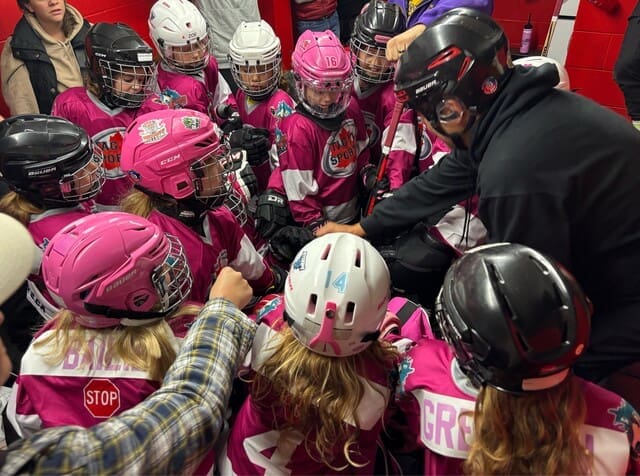
Hockey coaches wear suits to maintain a professional image and set an example for their team. Hockey coaches wear suits while coaching for a few distinct reasons.
Firstly, it projects a professional image, fostering respect from players, management, and fans. Secondly, donning a suit sets an example for the team, emphasizing the importance of professionalism, discipline, and dedication.
Wearing a suit also showcases a coach’s commitment to their role and the sport, as they are willing to go the extra mile to present themselves respectably.
Furthermore, a suit can influence a coach’s confidence and leadership abilities, which are crucial in guiding a team toward success. A coach’s attire builds credibility and establishes a positive team culture.
The Tradition and History of Hockey Coaching Attire
Hockey coaches have a rich tradition of wearing suits, reflecting the sport’s history and professionalism. This attire symbolizes their authority and leadership on the ice, commanding respect from players and fans alike.
Origins of Coaches Wearing Suits in Hockey
- Coaches wearing suits in hockey traces back to the sport’s early days when it was primarily played outdoors on frozen ponds.
- In those days, coaches were often former players or local community leaders who wanted to establish themselves as authoritative figures in the game.
- Wearing suits helped convey an image of professionalism, respect, and authority, which was necessary for coaches to gain the trust and confidence of their players.
- The tradition of coaches wearing suits in hockey has been passed down through generations, becoming an integral part of the sport’s culture and rituals.
Evolution of Coaching Attire in Different Hockey Leagues
- As hockey grew and evolved, so did the coaching attire in different leagues worldwide.
- In North America, particularly in the National Hockey League (NHL), coaches are known for wearing tailored suits with team colors.
- Other leagues, such as the European professional leagues, have adopted a more casual approach, with coaches often wearing team-branded tracksuits or smart-casual attire.
- The evolution of coaching attire reflects the varying cultural norms and traditions of different regions while still maintaining a sense of professionalism and authority on the bench.
Influence of Other Sports on the Tradition of Wearing Suits
- Although the tradition of coaches wearing suits in hockey has deep roots within the sport, it has also been influenced by the customs of other sports.
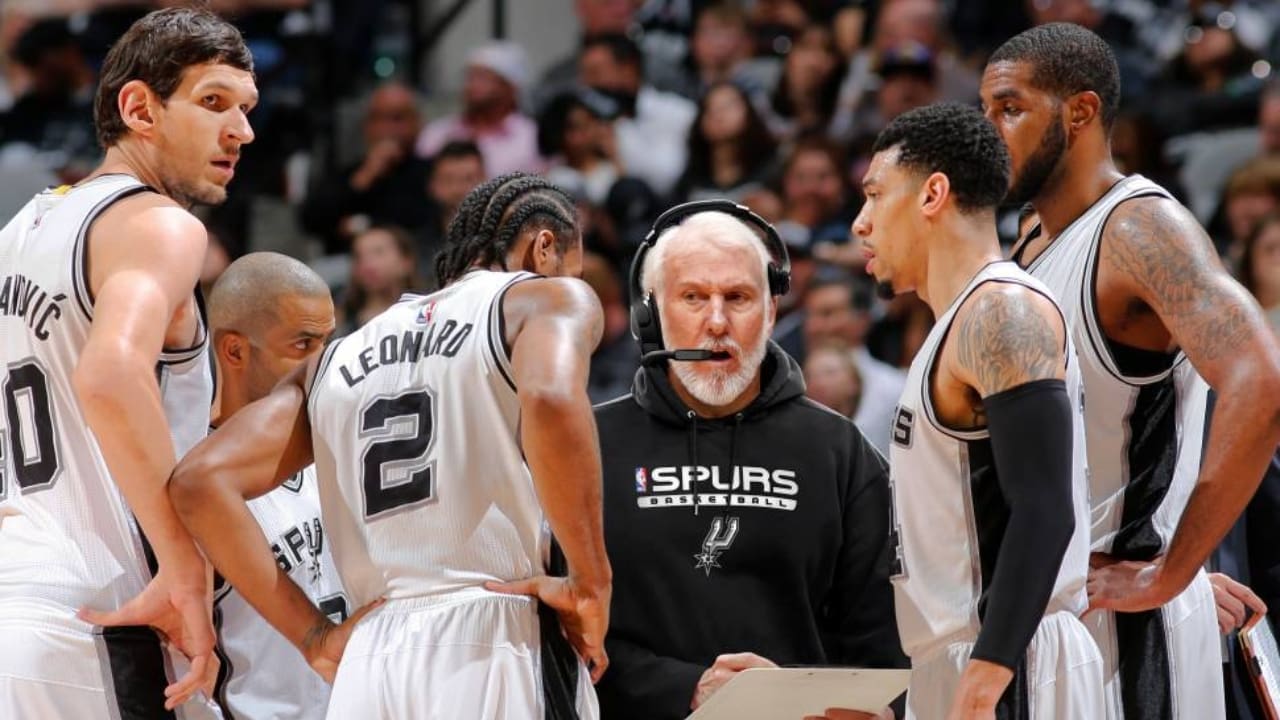
- Many team sports, such as soccer and basketball, have a history of coaches wearing formal attire on the sidelines.
- The influence of these sports and the desire to present a unified team image have contributed to the ongoing tradition of hockey coaches wearing suits.
- Additionally, the media and fan perception play a role in maintaining this tradition, as coaches are often seen as the face of the team and are expected to project an image of professionalism and leadership.
Overall, the tradition of hockey coaches wearing suits is deeply rooted in the sport’s history, with origins in the game’s early days and influenced by cultural customs and the desire to present a professional image.
As the sport continues to evolve, so too may the coaching attire, but the tradition of coaches wearing suits will likely remain a symbol of authority and respect in hockey.
Practical Reasons for Coaches Wearing Suits During Games
Hockey coaches wear suits during games for practical reasons, such as maintaining a professional image and providing easy identification on the sidelines.
Cases also allow coaches to carry the necessary equipment and communicate with officials efficiently.
Professionalism and the Coach’s Role As a Team Representative
- Coaches wearing suits during hockey games showcase professionalism and highlight their role as team representatives.
- A suit signifies authority and seriousness, reinforcing the coach’s position as a leader and mentor.
- Hockey coaches show their dedication and commitment to their team and the game by dressing formally.
- Wearing a suit fosters a sense of respect and discipline among players and promotes a professional atmosphere on the bench.
- The coach’s attire sets a standard for behavior and dress code, influencing how players conduct themselves on and off the ice.
Impact on Team Culture and Player Behavior
- The visual representation of coaches in suits helps establish a team culture built on discipline, unity, and pride.
- Players may perceive the coach’s formality as a sign of power and authority, motivating them to perform at their best.
- The presence of a well-dressed coaching staff creates an atmosphere of professionalism, setting the tone for the team’s overall behavior and performance.
- Hockey players often associate suits with formality and seriousness, reinforcing their commitment to the game and their dedication to improve.
- The coach’s attire can shape the team’s identity and promote a sense of belonging and shared goals.
Creating a Distinct and Recognizable Image for the Coaching Staff
- Wearing suits distinguishes hockey coaches from players and other team staff, allowing for easy identification during games.
- A suit is a visual marker, making it easier for players, referees, and fans to recognize and locate the coaching staff on the bench.
- The coach’s formal attire creates a distinctive team image, enhancing the team’s brand and reputation.
- A consistent and recognizable coaching staff appearance helps build fan loyalty and fosters a sense of trust and stability.
- The distinct image projected by coaches in suits can also attract sponsors and further enhance the team’s overall appearance.
Psychological and Motivational Aspects of Coaching Attire
Hockey coaches don suits to impact their players, conveying authority and professionalism psychologically. The attire instills a sense of motivation and respect, enhancing team performance on and off the ice.
The psychological impact of a well-dressed coach on players:
- A well-dressed coach exudes confidence and professionalism, setting a positive example for players.
- The coach’s attire can create a sense of authority, respect, and credibility among players.
- Players may feel more motivated and inspired when their coach appears put-together and serious about their role.
- A well-dressed coach can boost players’ confidence, making them believe in their abilities and the team’s potential.
- The coach’s attire can influence the team’s mindset, encouraging a focused and disciplined approach to the game.
Coaching attire as a symbol of authority and leadership:
- The choice of coaching attire sends a clear message that the coach is in charge and knowledgeable about the game.
- It establishes a visual hierarchy within the team, with the coach as the leader.
- Players may be more likely to follow instructions and respect the coach’s decisions when they perceive them as strong and authoritative.
- Coaching attire can help build trust and create a professional environment that fosters growth and development.
- It instills a sense of discipline and sets the tone for the team’s work ethic and commitment.
The importance of coaching presence in inspiring players:
- A coach’s company, which includes their attire, body language, and overall demeanor, can profoundly impact players’ motivation.
- A well-dressed coach commands attention and respect, capturing players’ focus and dedication.
- The coach’s presence can create a positive atmosphere, encouraging players to give their best and strive for excellence.
- It helps establish a strong team culture, emphasizing the importance of professionalism and commitment.
- By embodying the team’s values and goals, a well-dressed coach becomes a source of inspiration and motivation for players.
A well-dressed coach has a significant psychological impact on players. Their attire serves as a symbol of authority and leadership while also inspiring and motivating the team.
By taking pride in their appearance, coaches create a positive and professional environment that fosters growth and success.
So, dressing the part isn’t just about style – it significantly influences player performance and team dynamics.
Traditions and Superstitions Associated With Coaching Suits
Hockey coaches wear suits due to tradition and superstition, symbolizing professionalism and authority. The attire showcases the coach’s role and fosters a sense of respect among players and fans alike.
Lucky Suits and Other Team-Specific Superstitions
Coaches wearing suits is not just a mere fashion statement; it is often associated with luck and superstitions specific to each team. Some of the common beliefs include:
- Wearing the same suit throughout a winning streak will bring good luck.
- Particular groups have designated “lucky suits” worn during essential games or playoff matches.
- Coaches may have lucky charms or items hidden within their suits, such as a unique tie, cufflinks, or a pocket square with personal significance.
Rituals and Practices Related to Dressing in Suits Before Games
Dressing in a suit before a game holds significant meaning for hockey coaches. Here are some rituals and practices they follow:
- Many coaches meticulously choose suit combinations, ensuring a perfect balance of professionalism and personal style.
- Some coaches believe wearing a specific suit color or style positively influences team performance.
- Dressing in a suit helps coaches set a tone of discipline and professionalism, which sets the right atmosphere for the players.
Influence of Superstitions on Coaching Decisions and Game Strategies
Superstitions have a profound impact on coaching decisions and game strategies. Here’s how:
- Coaches may make tactical changes during games based on their belief in lucky suits or superstitions.
- Superstitions can dictate pre-game rituals, such as specific actions or routines coaches and players perform.
- Decision-making, especially in high-pressure situations, may be influenced by wearing or not wearing a lucky suit or accessory.
By embracing traditions and superstitions associated with coaching suits, hockey coaches strive to create a winning mindset, boost team morale, and tap into the power of luck.
So next time you see a coach wearing a suit on the sidelines, remember that their attire is more than just a fashion choice; it symbolizes their dedication to the game and their team’s winning traditions.
The Debate Surrounding the Necessity of Suits for Coaches
Hockey coaches wear suits to project professionalism and set an example for their players. It creates a sense of authority and reflects the seriousness of the game.
In hockey, where players are dressed in protective gear and coaches are often seen wearing suits on the sidelines, there has been an ongoing debate about the necessity of coaches wearing suits during games.
Some argue that it is an outdated tradition, while others believe it adds professionalism to the sport.
Here, we will explore the arguments against coaches wearing suits, counterarguments in favor of maintaining the tradition, and alternative coaching attire options and their feasibility.
Arguments Against Coaches Wearing Suits During Games
- Comfort: Suits can be restrictive and uncomfortable, making it difficult for coaches to move freely and convey instructions effectively.
- Practicality: Hockey is an intense sport, and coaches are often involved in the action, whether it’s shouting instructions or occasionally even stepping onto the ice. Suits may not be practical for such an active role.
- Connection with players: Coaches wearing suits can create a visible divide between them and the players, making it harder for players to relate to and connect with their coaches.
- Conveying authority: Some argue that a well-dressed coach in a suit commands authority and respect from players and officials. However, others believe that the coach’s knowledge, experience, and communication ability truly earn respect.
Counterarguments in Favor of Maintaining the Tradition
- Professionalism: Suits have long been associated with professionalism in various industries, and hockey should be no exception. Coaches wearing suits can project a serious and dedicated image to players, fans, and the media.
- Tradition and history: The tradition of coaches wearing suits in hockey dates back decades. It is seen as a symbol of respect for the sport and its rich history.
- Psychological impact: Suits can act as a psychological tool, helping coaches feel more confident and authoritative, which may inspire players to perform at their best.
- Respect for the game: Some argue that continuing the tradition of coaches wearing suits shows respect for the game and its rules, honoring the sport’s roots.
Alternative Coaching Attire Options and Their Feasibility
- Business casual: Coaches could adopt a more relaxed dress code, opting for comfortable business casual attire that still maintains a professional appearance.
- Team-themed attire: Coaches could wear clothing representing their team, such as branded polo shirts or jackets. This option allows for customization while still maintaining a sense of unity and professionalism.
- Athletic wear: Some argue that coaches should wear athletic wear like players. This attire would allow for more unrestricted movement and a closer connection to the game. However, it may also blur the boundaries between players and coaches.
Ultimately, the debate surrounding coaches wearing suits during hockey games is rooted in the desire for professionalism, tradition, comfort, and connection.
While some argue that cases are outdated and impractical, others believe they contribute to the sport’s image and practices.
Whether hockey coaches will continue to don suits or explore alternative attire remains an ongoing discussion within the hockey community.
The Future of Coaching Attire in Hockey
Hockey coaches wear suits to present a professional image and exude authority. Their attire sets the tone for the team, instilling discipline and respect among players and the coaching staff.
As the sport continues to evolve, the future of coaching attire in hockey may see a shift towards more modern and functional options while maintaining a sophisticated appearance.
Modernizing Coaching Attire to Reflect Changing Times
- The hockey coaching world has long been associated with coaches wearing suits on the sidelines. However, there has been a push to modernize the attire and move away from the traditional suit and tie in recent years.
- This shift towards a more casual and practical approach to coaching attire is rooted in the evolving nature of the game and the desire to reflect the changing times.
- Coaches have recognized the need to adapt to the fast-paced, physical nature of the game, which demands greater mobility and flexibility. Although considered professional, wearing a suit can be restrictive and hinder a coach’s ability to move freely and engage with players on the bench.
- Modernizing coaching attire serves practical purposes and acknowledges the importance of inclusivity. Many coaches feel that more casual attire sends a welcoming message and breaks down barriers between coaches and players.
- Additionally, from a marketing standpoint, a more relaxed dress code can make coaches appear more relatable and approachable to fans and viewers, potentially strengthening their connection to the game.
Finding a Balance Between Tradition and Practicality
- While the push for modernization is gaining momentum, it is essential to balance tradition and practicality when considering changes to coaching attire.
- One approach to finding this balance is by introducing a dress code that combines elements of tradition with the comfort and functionality necessary for a coach’s job. This could mean allowing coaches to wear dress pants paired with team-branded polo shirts or athletic wear.
- Coaches can still maintain a professional appearance while embracing a more contemporary style that aligns with the demands of the game.
- It is crucial to respect the historical significance of hockey coaching attire while recognizing the need for evolution in a rapidly changing sports landscape.
- By finding a middle ground between tradition and practicality, coaches can enhance their performance and adapt to the evolving demands of the modern hockey game.
Potential Impact on the Game and Its Stakeholders
- The modernization of coaching attire in hockey can impact various stakeholders within the game, including coaches, players, fans, and even sponsors.
- Coaches wearing more functional and comfortable attire can improve their ability to communicate and interact with players during games, enhancing coaching strategies and player development.
- From a player’s perspective, seeing their coaches in attire that allows for greater mobility and comfort can foster a stronger relationship and sense of trust.
- Fans may appreciate the shift towards a more casual dress code as it can create a more approachable atmosphere and remove some of the perceived barriers between coaches and spectators.
- Sponsors and advertisers also gain from a modernized coaching attire approach, as coaches dressed in more relaxed and functional attire may generate increased visibility and brand exposure during broadcasts and media coverage.
- Overall, the impact of modernizing coaching attire extends beyond just the physical wardrobe change, potentially benefiting the game and its stakeholders in various ways.
Modernizing coaching attire in hockey represents a shift towards a more practical and contemporary approach. Balancing tradition with the demands of the game is crucial, and the potential impact on stakeholders is significant.
Hockey coaches can enhance their performance while maintaining a professional appearance by finding a middle ground between tradition and practicality.
This evolution in coaching attire reflects the changing times and fosters inclusivity, player-coach relationships, fan engagement, and marketing opportunities.
Frequently Asked Questions
Do Any NHL Coaches Not Wear Suits?
No, all NHL coaches are required to wear suits during games.
Why Do Coaches Have to Wear Suits?
Coaches wear suits to maintain a professional appearance and project authority and credibility.
Is There a Dress Code for NHL Coaches?
NHL coaches don’t have a specific dress code but are expected to dress professionally.
Why Do Guys Wear Suits Before Hockey Games?
Guys wear suits before hockey games to represent professionalism and team unity.
Why Do Hockey Coaches Wear Suits?
Hockey coaches wear suits to maintain a professional image and set an example for their team. It shows respect for the sport and emphasizes discipline and leadership.
Conclusion
The tradition of hockey coaches wearing suits runs deep, and for good reason. It is a symbol of professionalism, respect, and authority.
Coaches understand the importance of projecting a severe image to their players, opponents, and fans. The suit not only signifies their role as a leader but also adds to the game’s overall aesthetics.
The sharpness and formality of the attire create a sense of discipline and order on the ice, highlighting the seriousness and intensity of the sport.
Additionally, the suit serves as a reminder that hockey is not just a game but a business, requiring the same level of professionalism as any other industry.
Ultimately, the tradition of coaches donning suits serves as a reminder that hockey is more than just a sport; it is a way of life that demands respect, dedication, and unwavering commitment.
RELATED ARTICLES