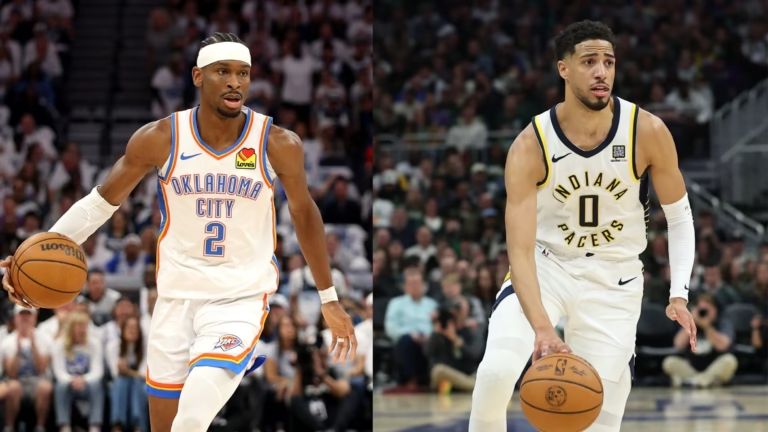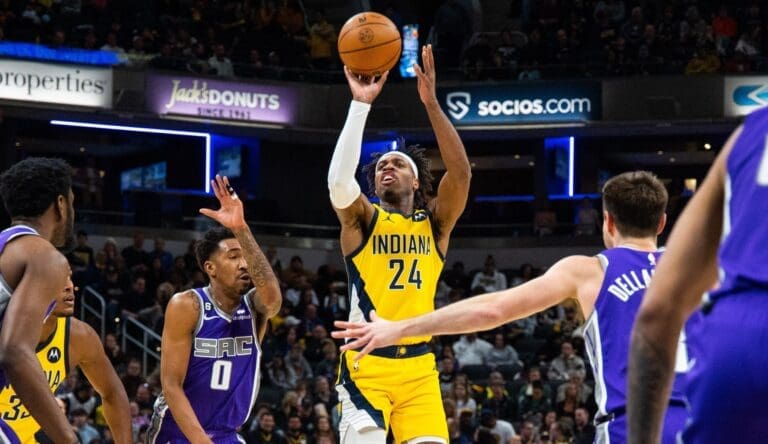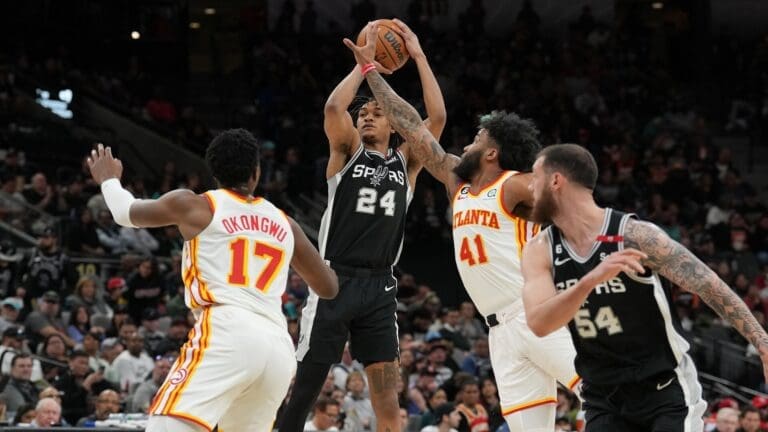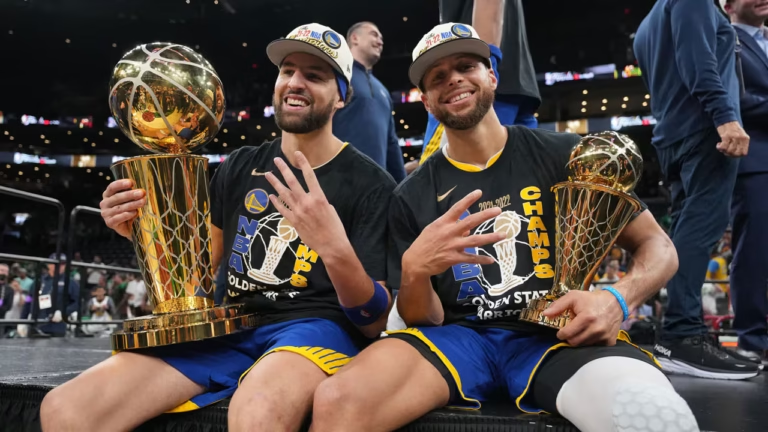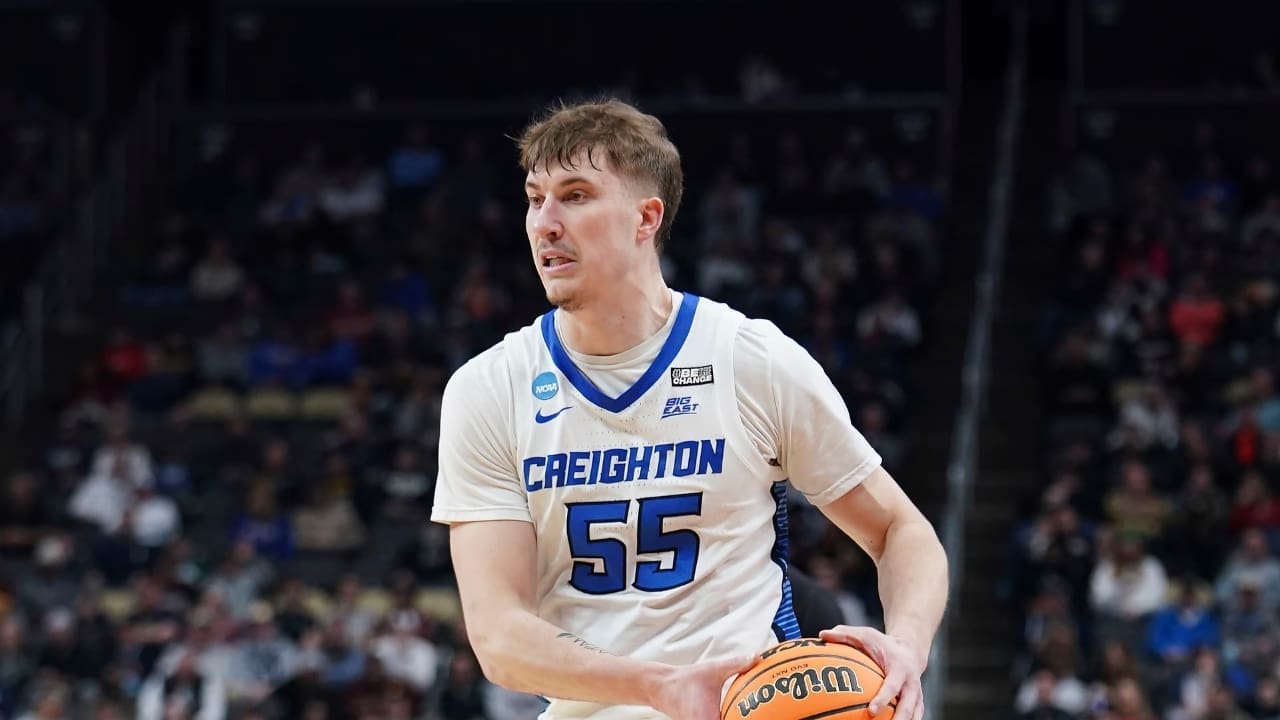
NBA players may take creatine as a dietary supplement for enhanced performance and muscle strength. Athletes commonly use creatine to improve exercise performance and increase muscle mass.
However, its use is a personal choice and may vary among players based on individual preferences and goals. Proper dosage and supervision by a healthcare professional are recommended for safe and effective use.
Additionally, NBA players need to abide by the rules and regulations set forth by the league regarding banned substances.
The Benefits of Creatine for NBA Players
As NBA players push their bodies to the limit on the basketball court, they’re constantly seeking ways to enhance their performance and gain a competitive edge. One supplement that has gained popularity among NBA athletes is creatine.
Known for its ability to increase power, strength, and muscle mass and aid post-workout recovery, creatine has become a go-to supplement for many professional basketball players.
In this section, we will explore the benefits of creatine for NBA players, including improved power and strength, increased muscle mass, and enhanced recovery time.
Improved Power and Strength
For NBA players, power and strength are crucial components of their performance. Creatine is an effective supplement in increasing power output and strength gains, both essential for explosive movements on the court.
By increasing the levels of phosphocreatine in the muscles, creatine helps to regenerate adenosine triphosphate (ATP), the energy currency of the body.
This gives the forces a more significant fuel source during high-intensity movements such as jumping, sprinting, and pushing off opponents.
Increased Muscle Mass
While basketball is not traditionally associated with bulking up, having a solid base of muscle mass can be advantageous for NBA players.
Creatine aids in muscle growth by increasing protein synthesis and promoting water retention within the muscles.
This leads to an increase in muscle size, allowing players to withstand physical challenges, such as boxing out opponents and defending in the post.
Additionally, the increase in muscle mass can contribute to overall body strength and resilience, reducing the risk of injuries that can occur during a long and grueling NBA season.
Enhanced Recovery Time
NBA players put their bodies through intense physical demands during training sessions and games. Therefore, optimizing recovery is vital for maintaining peak performance and preventing injury.
Creatine has been found to enhance recovery time by reducing muscle damage and inflammation.
It also aids in replenishing glycogen stores, which are depleted after prolonged physical activity. With faster recovery, NBA players can bounce back quicker from intense workouts and games, allowing them to perform at their best throughout the season.
How Creatine Works in the Body
Creatine is a popular supplement athletes and bodybuilders use to enhance their performance and increase muscle mass.
But how does creatine work in the body? In this article, we will explore the role of ATP in muscle contraction and how creatine impacts ATP levels.
The Role of ATP in Muscle Contraction
Adenosine triphosphate, or ATP, is often referred to as the “energy currency” of the body. It provides the energy needed for various cellular functions, including muscle contraction.
When we engage in physical activities, such as lifting weights or running, our muscles require constant ATP to contract and produce movement.
During muscle contraction, ATP is broken down into adenosine diphosphate (ADP) and inorganic phosphate (Pi), releasing energy. This energy fuels the contraction, allowing our muscles to generate force and perform work.
Creatine’s Impact on ATP Levels
Now, how does creatine come into play? Creatine is naturally produced in our bodies and plays a role in the production of ATP. It works by replenishing ATP stores, allowing our muscles to maintain a higher level of available energy during intense exercise.
Our muscles absorb and store the excess creatine when we consume creatine supplements. Once reserved, creatine combines with phosphate molecules to create phosphocreatine.
During high-intensity activities, such as weightlifting or sprints, phosphocreatine donates its phosphate group to ADP, rapidly regenerating ATP.
This enhanced ATP regeneration process enabled by creatine allows athletes to perform at higher intensities for longer durations. It can help delay fatigue, enhance muscle recovery, and improve exercise performance.
It is important to note that while creatine supplementation can benefit some individuals, its effectiveness may vary depending on factors such as genetics, diet, and training regimen.
Additionally, following proper dosage guidelines and consult with a healthcare professional before incorporating creatine into your routine is crucial.
In conclusion, creatine works in the body by replenishing ATP stores and enhancing regeneration.
Doing so provides a readily available energy source for our muscles during intense exercise, leading to improved athletic performance and muscle gains.
Creatine Supplementation and Performance in Sports
NBA players are known to incorporate creatine supplementation to enhance their sports performance. This popular supplement has been shown to improve strength, power, and muscle mass, which are crucial aspects of basketball.
With its proven benefits, it’s no surprise that NBA players rely on creatine to gain an edge on the court.
Evidence of Creatine’s Effectiveness in Athletes
In improving athletic performance, creatine supplementation has garnered significant attention in sports.
Numerous studies have shown that creatine can positively impact athletes, particularly in sports that demand short, intense bursts of energy, like basketball.
One of the critical advantages of creatine supplementation is that it helps increase the body’s capacity to produce adenosine triphosphate (ATP), the primary source of energy used during high-intensity activities.
By enhancing ATP production, creatine allows athletes to perform at their best for longer.
Moreover, creatine has been shown to aid in the regeneration of phosphocreatine, another crucial energy source for explosive movements.
This means athletes who take creatine can replenish their energy stores more quickly between intense efforts, resulting in improved performance and reduced fatigue.
Studies on NBA Players and Creatine Usage
While creatine is widespread among athletes, particularly those involved in strength and power-based sports, its prevalence in the NBA has also become a topic of interest.
Several studies have explored the effects of creatine supplementation on NBA players and their overall performance on the court.
In a study conducted by scientists from the University of Nebraska, elite collegiate basketball players who used creatine experienced a significant improvement in their sprint performance, jumping ability, and overall power output compared to those who did not take creatine.
These findings suggest that creatine supplementation can benefit basketball players, including NBA athletes.
Another study published in the Journal of the International Society of Sports Nutrition examined the effects of creatine supplementation on professional basketball players.
The researchers found that NBA players who added creatine to their training regimen saw enhanced muscle strength, improved vertical jump height, and increased body mass compared to a control group.
These positive outcomes further support the effectiveness of creatine for basketball performance.
It’s important to note that while these studies provide promising evidence of creatine’s positive effects on NBA players, every athlete’s response to supplementation may vary.
Factors such as individual physiology, training regimens, and overall diet can influence the outcomes.
Consult with a qualified sports nutritionist or healthcare professional before adding supplements to your routine.
Addressing Concerns and Misconceptions
There are many ongoing concerns and misconceptions surrounding the use of creatine by NBA players.
In this section, we will delve into two important aspects: Potential Side Effects of Creatine and NCAA and NBA Policies on Creatine Use.
Addressing these concerns and misconceptions is crucial to provide a clear understanding of the topic and help put any apprehensions to rest.
Potential Side Effects of Creatine
Creatine supplementation has gained popularity among athletes, including NBA players, due to its potential benefits in improving strength, power, and overall athletic performance. Nevertheless, discussing the possible side effects associated with creatine use is essential.
While creatine is generally safe for most individuals when used within recommended guidelines, some potential side effects may occur.
These side effects include:
- Gastrointestinal discomfort
- Water retention and weight gain
- Muscle cramps
- Dehydration if water intake is inadequate
It’s important to note that these side effects are relatively rare and typically only occur when individuals exceed recommended dosages or fail to maintain proper hydration.
NBA players, who have access to professional medical supervision, are knowledgeable about the appropriate use of creatine and are unlikely to experience such issues.
NCAA and NBA Policies on Creatine Use
Before addressing concerns about creatine use by NBA players, it is crucial to understand the official stances of relevant organizations, such as the NCAA and NBA, on the subject.
| Organization | Policy on Creatine Use |
| NCAA | The NCAA allows creatine supplements but emphasizes that athletes should exercise caution, follow guidelines, and consult with appropriate professionals to ensure their overall health and safety. |
| NBA | The NBA does not have a specific policy that prohibits using creatine. However, like the NCAA, the NBA strongly advises players to use creatine responsibly, follow dosage recommendations, and consult with team trainers and medical staff for expert guidance. |
These policies indicate that the NCAA and NBA acknowledge the potential benefits of creatine supplementation but emphasize responsible usage and proper guidance.
NBA players are well aware of their professional responsibilities and the need to prioritize their health and performance, which includes following these policies.
By understanding the potential side effects of creatine and the existing policies in place, it becomes evident that NBA players are educated on safe and responsible creatine use.
This ensures that any concerns or misconceptions regarding their usage can be put to rest, allowing players to maximize their performance confidently.
Tips for Safe and Effective Creatine Usage
When it comes to enhancing athletic performance and building muscle, many NBA players have turned to creatine as a supplement in their training regimen.
Creatine is a naturally occurring compound that helps provide energy to the forces during high-intensity exercise.
While it is generally considered safe and effective, it’s crucial to use creatine responsibly and follow proper guidelines for dosage and timing.
Additionally, understanding how to combine creatine with other supplements can further optimize its benefits.
Proper Dosage and Timing
One of the most crucial aspects of using creatine effectively is getting the dosage and timing right. Generally, it is recommended to follow a loading phase followed by a maintenance phase. During the loading phase, the dosage is higher to quickly saturate the muscles with creatine.
This typically involves taking around 20 grams of creatine daily, split into 4-5 equal doses, for the first 5-7 days. After the loading phase, the maintenance phase begins, where the dosage is reduced to around 3-5 grams per day.
Timing is also essential. It is commonly advised to take creatine immediately before or after a workout. This is when the muscles are more receptive to absorbing the supplement, maximizing its benefits.
However, taking creatine at any other time of day can still be effective if it is consistent and adheres to the recommended dosage.
Combining Creatine With Other Supplements
To further enhance the effects of creatine, many athletes and bodybuilders combine it with other supplements. Some popular options include protein powder, branched-chain amino acids (BCAAs), and carbohydrate-based sports drinks.
These supplements work synergistically with creatine to support muscle recovery, growth, and overall performance.
When combining creatine with other supplements, it’s essential to consider the dosage and timing of each. For example, taking creatine alongside a protein shake after a workout can provide a powerful muscle repair and growth combination.
However, it’s always wise to consult with a healthcare professional or nutritionist before starting any supplementation routine to ensure it aligns with individual needs and goals.
Final Thoughts on Do NBA Players Take Creatine
NBA players have shown interest in using creatine as a potential supplement to enhance their performance on the court.
While there is limited scientific research specific to NBA players, studies suggest that creatine can improve muscle strength and power, potentially benefiting basketball players’ explosive movements and overall stamina.
However, consulting with a healthcare professional before starting any supplement regimen is crucial. Ultimately, each player must decide based on their needs and goals.
RELATED ARTICLES