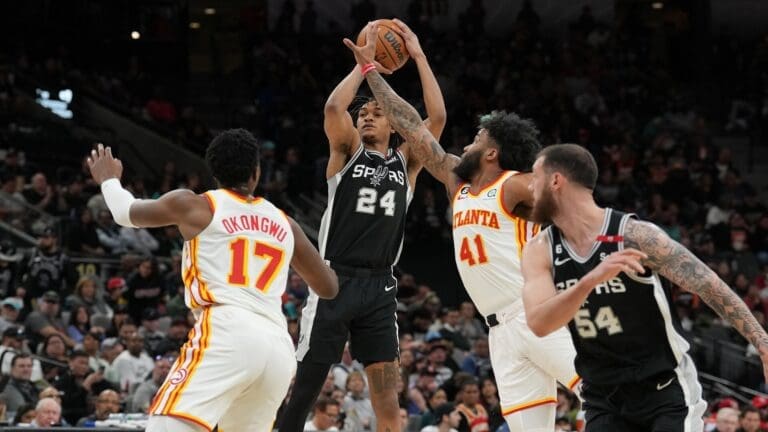
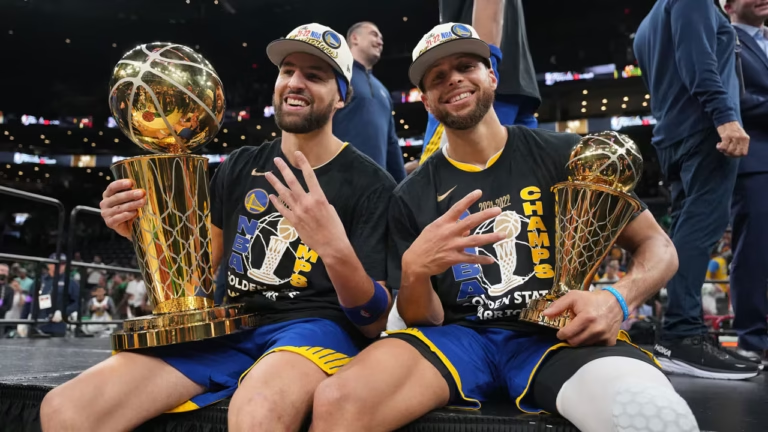
NBA teams release injury reports before every game to list players as out, questionable, doubtful, or probable, giving everyone a clear picture of who will play that night. These reports drop in the afternoon, just hours before the game, and completely change how fans and coaches predict the matchup.
People start digging into the details, like the exact nature of the injury and how long recovery might take. This is because those factors reveal a lot about the team’s chances that night. Overall stats confirm that squads operating without their top talent tend to win 15-20% fewer games, often transforming what looked like blowouts into real contests.
How Reports Affect Teams
Injury reports push coaches to rethink their entire game plan since they need to slot in backup players immediately, and the effects depend a lot on which position takes the hit.
For the Philadelphia 76ers, missing center Joel Embiid leaves their defense exposed near the basket. This is where the opponents attempt 4-8% more shots at the rim, according to historical game logs from similar nights.
Point guards, who run the offense and set up quick plays, also cause big problems when injured. For the Memphis Grizzlies, missing Ja Morant means they score about 10-15 fewer points per game on fast breaks. They also have to switch to slower plays in their own half-court sets.
Baseball fans who are also interested in finding trusted casino sites may take a look at the Baseball America California guide. Just like that, NBA coaches view injury reports as a guide to spot the patterns and know how to proceed with their teams. Those that don’t rely on one single star player have an edge when injuries come up.
For example, the Denver Nuggets, with coverage for Nikola Jokic, handle these injury situations far better than those hanging everything on one or two stars. In contrast, data from past seasons shows star-reliant teams drop around 12-18 points per 100 possessions in key efficiency ratings when their main starters miss time and no quality replacements step up.
Lineup Changes that Teams Make
Coaches look at the report and make quick calls on starters and playing time. This could mean going with smaller, faster groups when the center is unavailable, or calling for more outside shots if a main scorer stays sidelined.
During the intense periods of the schedule, they sometimes give healthy stars a rest to prepare for the playoffs ahead. This is a move that appeared in roughly 22% of cases last NBA season.
All of this puts players on the bench in the hot seat, where they get a real shot to shine. The Golden State Warriors serve as a solid example without Stephen Curry, as their reserves pick up the passing game and keep playing to match the usual flow.
These changes reveal how deep a team’s bench really is, and general managers use injury patterns to make trades that cover the weaknesses before the deadline hits. Strong backups can turn potential losses into surprising wins, while weak ones can lead to a string of defeats.
What Fans Notice
Fans can also read the report and start seeing even the strongest teams in a new light when they don’t have their leaders on the floor, while underdogs suddenly carry more appeal.
The Boston Celtics, without Jayson Tatum, have to count on their supporting players, which stirs up different kinds of talk about their playoff odds. Playoff races turn unpredictable with injury spells, as top teams have slid down the ladder in past years from bad breaks.
Rules for Injury Reports
Teams turn in the first version of the report by late afternoon before the game and keep updating it right up to game day for the final word.
The league tightened things up in late 2025 with new rules requiring game-day resubmissions between 11 a.m. and 1 p.m. local time, plus public updates every 15 minutes, to fix old issues.
An example is when the Portland Trail Blazers held back news too long, affecting opponents’ strategies and fans’ expectations. Now the process delivers straight facts so coaches can adjust their rosters and fans can follow the games without confusion.
A simple ankle sprain might cost just one or two games, but something like knee surgery keeps players away for weeks or months on end. These steps for submitting injury reports make sure the long season stays even for everybody.
Impact Over the Whole Season
Injuries reach far beyond a single night by pulling down records for the teams they strike and boosting others up the ladder.
Groups at the top, such as the Cleveland Cavaliers in earlier campaigns, lost ground from health woes and let mid-pack rivals close in. Stars aiming for All-Star spots or new contracts take a blow from reduced stats due to downtime.
On the other hand, squads with good all-around talent can bounce back more quickly and head into the playoffs stronger, where bench strength decides the most. At the end of the day, keeping players upright often makes all the difference across the full year.
RELATED ARTICLES