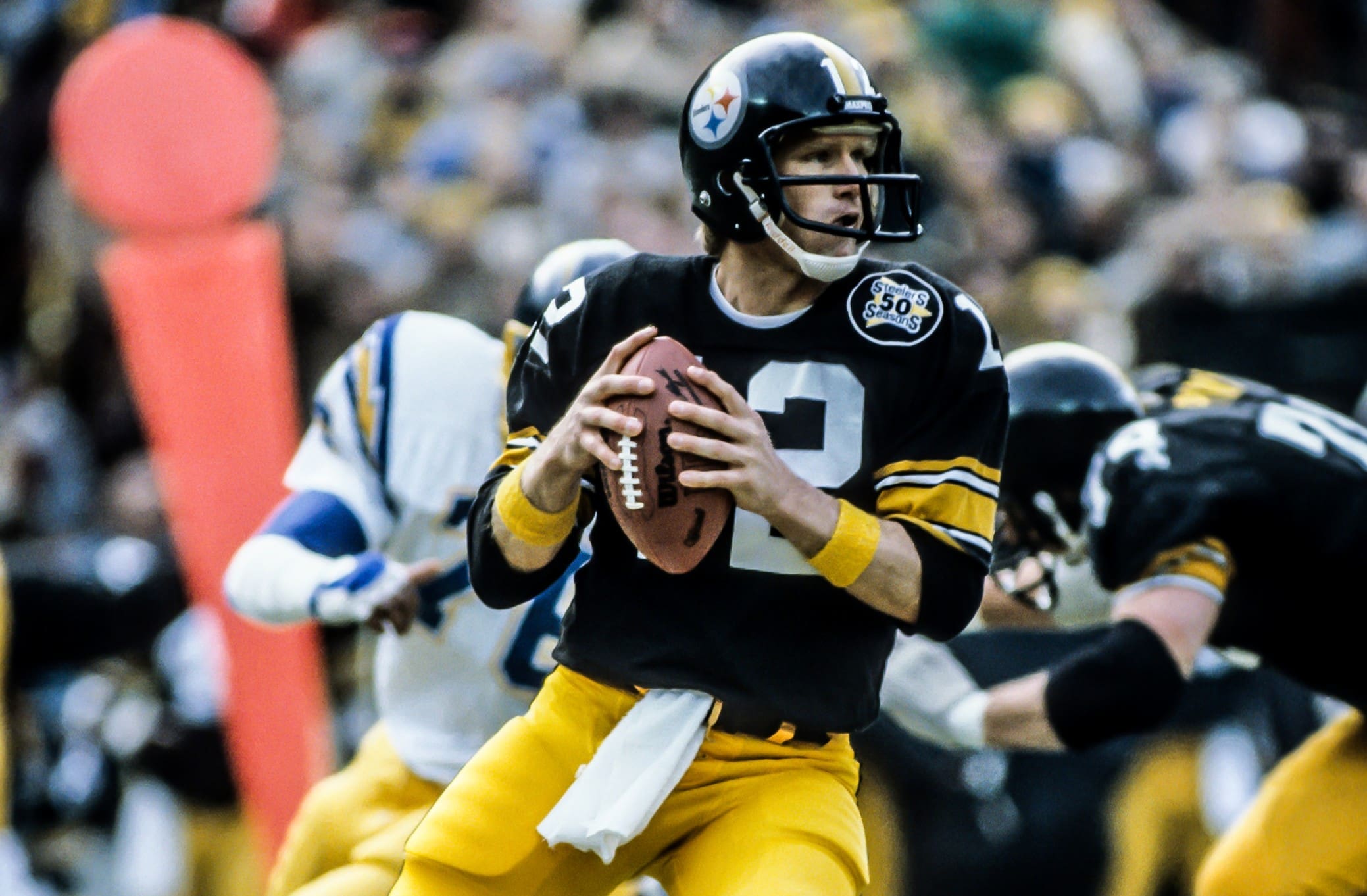
Since the very first Super Bowl in 1967, the NFL has given rise to legends whose performances on football’s biggest stage have become part of American sports folklore.
These are the players whose names echo through generations—athletes who didn’t just play in the Super Bowl, but defined it. Their heroics have created unforgettable moments, inspired millions, and shaped the way we see the game today.
The Super Bowl isn’t just a championship; it’s the ultimate test of greatness. And for more than five decades, certain players have risen above the rest, leaving an indelible mark on the gridiron.
From the fearless quarterbacks to the defensive dynamos, from record-breakers to cultural icons, these are the legends who turned football’s biggest night into history.
Tom Brady: The Ultimate Champion
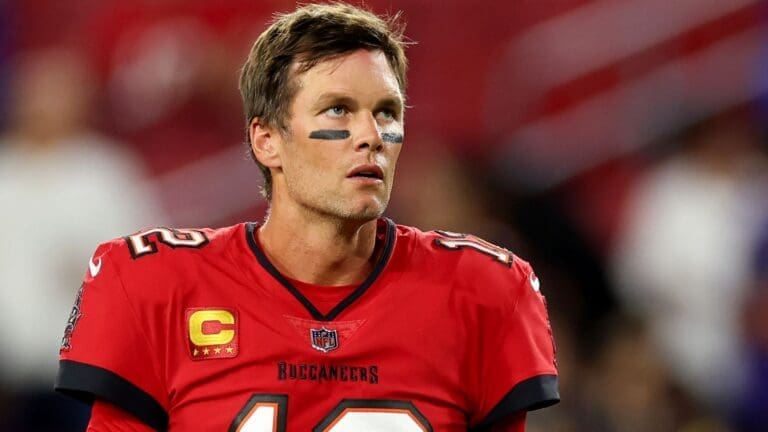
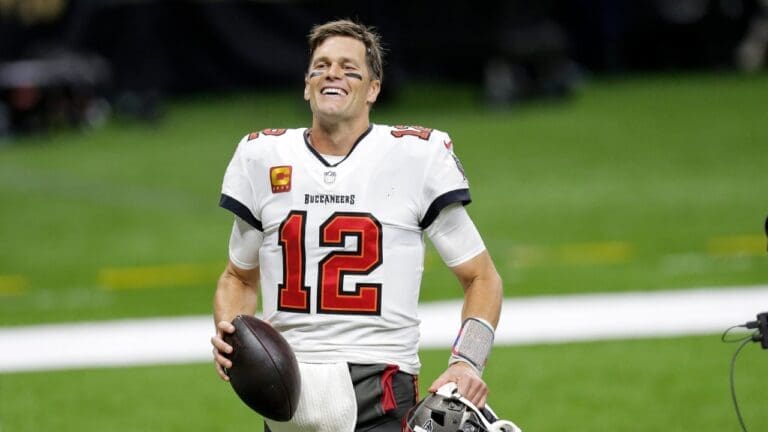
No list of Super Bowl legends can begin anywhere but with Tom Brady. Over two decades, Brady turned the Super Bowl into his personal showcase, appearing in an unprecedented ten and winning seven of them—six with the New England Patriots and one with the Tampa Bay Buccaneers.
What made Brady special wasn’t just his stats, but his consistency and composure under pressure. Whether orchestrating last-minute drives against the Rams in 2002, engineering a historic 28–3 comeback against the Falcons in 2017, or proving at age 43 that he could still win it all, Brady epitomized excellence and longevity.
Images of Brady—hoisting Lombardi Trophies, embracing teammates, and celebrating amid a storm of confetti—have become synonymous with modern football greatness.
You’ll find his triumphant expressions and championship moments immortalized in countless highlight reels and even in sports-themed stock photos that capture the spirit of victory itself.
Joe Montana: Cool Under Pressure
Before Brady, there was Joe Montana—the original “Super Bowl quarterback.” Known as Joe Cool for his calm demeanor and pinpoint accuracy, Montana led the San Francisco 49ers to four Super Bowl titles in the 1980s, winning three Super Bowl MVPs along the way.
Montana’s Super Bowl moments are etched in NFL history: the game-winning drive against the Cincinnati Bengals in Super Bowl XXIII, capped by a pass to John Taylor with 34 seconds left, remains one of the greatest clutch performances of all time.
His partnership with Jerry Rice created an offensive dynasty that changed how teams approached passing football.
Montana didn’t just win—he made it look effortless. His leadership style, cool head, and surgical precision made him the prototype for every elite quarterback that followed.
Jerry Rice: The Gold Standard for Greatness
Speaking of Jerry Rice, no player has dominated the Super Bowl—or the game itself—quite like him. Widely regarded as the greatest wide receiver in NFL history, Rice’s records speak for themselves: 22 receptions, 297 yards, and eight touchdowns across four Super Bowls.
Rice’s combination of work ethic, route-running mastery, and chemistry with both Joe Montana and Steve Young made him unstoppable on the grandest stage. In Super Bowl XXIII, he racked up 215 receiving yards; in Super Bowl XXIV, he scored three touchdowns. His performances redefined what a wide receiver could mean to a team’s success.
Even today, when you see his iconic image—arms stretched wide in triumph, red and gold confetti raining down—you’re reminded that true greatness isn’t just measured in numbers, but in how a player elevates the game itself.
RELATED ARTICLES
Lawrence Taylor: The Defensive Revolution
While most Super Bowl legends are remembered for dazzling offenses, Lawrence Taylor’s legacy lies in his destruction of them. The New York Giants linebacker revolutionized defense in the 1980s, redefining how the position was played and changing offensive strategies across the league.
Taylor’s ferocity helped lead the Giants to victories in Super Bowl XXI and XXV. His impact wasn’t just in the plays he made but in the fear he inspired. Offensive coordinators had to design entire game plans around stopping him—and most still failed.
Taylor’s intensity, power, and relentless energy turned him into a larger-than-life figure. Photos of him roaring in celebration, face smeared with sweat and determination, perfectly capture what it means to dominate the game through sheer willpower.
Terry Bradshaw: The Face of the Steelers Dynasty
The Pittsburgh Steelers of the 1970s were a juggernaut, and quarterback Terry Bradshaw was their charismatic leader. With four Super Bowl titles in six years and two Super Bowl MVPs, Bradshaw cemented his place as one of the greatest clutch performers in NFL history.
His deep passing game, particularly to wide receivers Lynn Swann and John Stallworth, helped define the Steelers’ offensive identity. The team’s combination of punishing defense—the famed “Steel Curtain”—and Bradshaw’s big-play ability made them nearly unbeatable in championship games.
Bradshaw’s fiery leadership and knack for showing up in big moments made him not only a football legend but a cultural one, too. Even now, his Super Bowl highlights are replayed every year, a reminder of when Pittsburgh ruled the football world.
Emmitt Smith: The Heart of the 1990s Cowboys
The Dallas Cowboys of the 1990s were a dynasty built on balance, toughness, and star power. At the center of it all was running back Emmitt Smith, the league’s all-time rushing leader and the engine of the Cowboys’ offense.
Smith helped Dallas capture three Super Bowl titles (XXVII, XXVIII, and XXX) and earned MVP honors in Super Bowl XXVIII. His running style—patient, powerful, and consistent—embodied the Cowboys’ dominance. Alongside Troy Aikman and Michael Irvin, Smith formed the core of “The Triplets,” one of the most iconic trios in NFL history.
Even in still imagery, Smith’s determination comes through—the lowered helmet, the drive through defenders, the burst across the goal line. Those iconic visuals have appeared in highlight films, framed posters, and even sports stock photos representing perseverance and teamwork.
Peyton Manning: The Cerebral Commander
Peyton Manning’s Super Bowl story is one of resilience. Known for his football IQ and precision passing, Manning spent much of his career battling both rivals and the weight of expectation. His first championship with the Indianapolis Colts in Super Bowl XLI was validation; his second, with the Denver Broncos in Super Bowl 50, was redemption.
Manning’s presence changed every team he joined. His pre-snap reads, audibles, and leadership made him as much a coach on the field as a player. Though not always dominant in Super Bowl appearances, his persistence and longevity earned him legendary status.
When he rode off into retirement after hoisting the Lombardi Trophy one last time, it felt like the closing of an era—the cerebral quarterback who turned preparation into poetry.
Reggie White: The Minister of Defense
Few players have embodied dominance and integrity like Reggie White. A cornerstone of both the Philadelphia Eagles and the Green Bay Packers, White was a defensive force of nature. When he joined the Packers in the mid-1990s, he became the final piece of their Super Bowl puzzle.
In Super Bowl XXXI, White recorded a then-record three sacks, helping Green Bay secure its first championship in nearly three decades. His combination of strength, technique, and character made him one of the most respected figures in football history.
Images of White celebrating in his number 92 jersey, arms raised toward the heavens, remain iconic symbols of faith and perseverance in sports photography collections everywhere.
John Elway: From Heartbreak to Glory
For years, John Elway was the face of near-misses—three Super Bowl losses in the 1980s left many wondering if he’d ever win the big one. But perseverance paid off. In the twilight of his career, Elway led the Denver Broncos to back-to-back championships in 1998 and 1999, finally silencing the critics.
His famous helicopter dive for a first down in Super Bowl XXXII perfectly captured his competitive spirit. That moment, immortalized in photos and replays, became a defining image of sacrifice and determination—the embodiment of a player refusing to be denied.
Elway’s legacy reminds us that legends aren’t defined by how they start, but by how they finish.
Patrick Mahomes: The Modern Marvel
It’s rare for a current player to already feel like a legend, but Patrick Mahomes has earned that title. With multiple Super Bowl appearances, two MVP awards, and a playmaking style that redefines what’s possible at quarterback, Mahomes is the face of a new generation.
His combination of athleticism, creativity, and clutch performance evokes memories of Montana’s precision and Brady’s composure—but with a flair all his own. From the no-look passes to the miraculous comebacks, Mahomes has already secured his place among the greats.
If the Super Bowl era had a new chapter, Mahomes would be the opening paragraph. The images of him celebrating with confetti raining down—arms wide, smile wide—are already joining the archives of timeless football photography, capturing the joy of a young star carrying the torch forward.
The Legacy of Legends
The Super Bowl era has produced countless memorable players, but these legends stand above the rest for one simple reason: they didn’t just play in the big game—they defined it. Their names became shorthand for excellence, resilience, and the pursuit of greatness.
From the grainy stock photos of Joe Namath’s bold guarantee to the high-definition shots of Mahomes raising another trophy, the imagery of Super Bowl history tells a story far beyond the scoreboard. It’s a story of leadership, perseverance, and moments that transcend sport itself.
Each era brings new heroes, but the spirit remains the same: when the lights are brightest and the stakes are highest, the true legends rise. They remind us why we watch, why we cheer, and why the Super Bowl remains one of the most electrifying stages in all of sports.
RELATED ARTICLES