As the modern world shifts towards digital finance and decentralized governance, Decentralized Autonomous Organization, or DAO in short, is becoming an alternative to the conventional ownership patterns.
Although DAOs have garnered headlines due to their activities in the art scene, including crowdfunding missions aimed at sending people to space and initiating venture capital groups, even their most ambitious hopes lie in redesigning the ownership and management framework of sports teams.
With the increasing demand from fans to have a voice in the operation of their teams, as well as the development of blockchain technology, the concept of DAO-controlled, fan-owned sports teams is no longer merely a crypto-induced dream.
This prospect is not merely a question of technological novelty, but also a frustration with the all-too-frequent tendency to see professional sports organizations in the hands of billionaires and corporations, or elitist boards.
The emergence of DAOs will represent a more liberal, open, and participatory system, where fans and supporters will not merely cheer in the stands but will also vote on the decisions of their preferred teams.
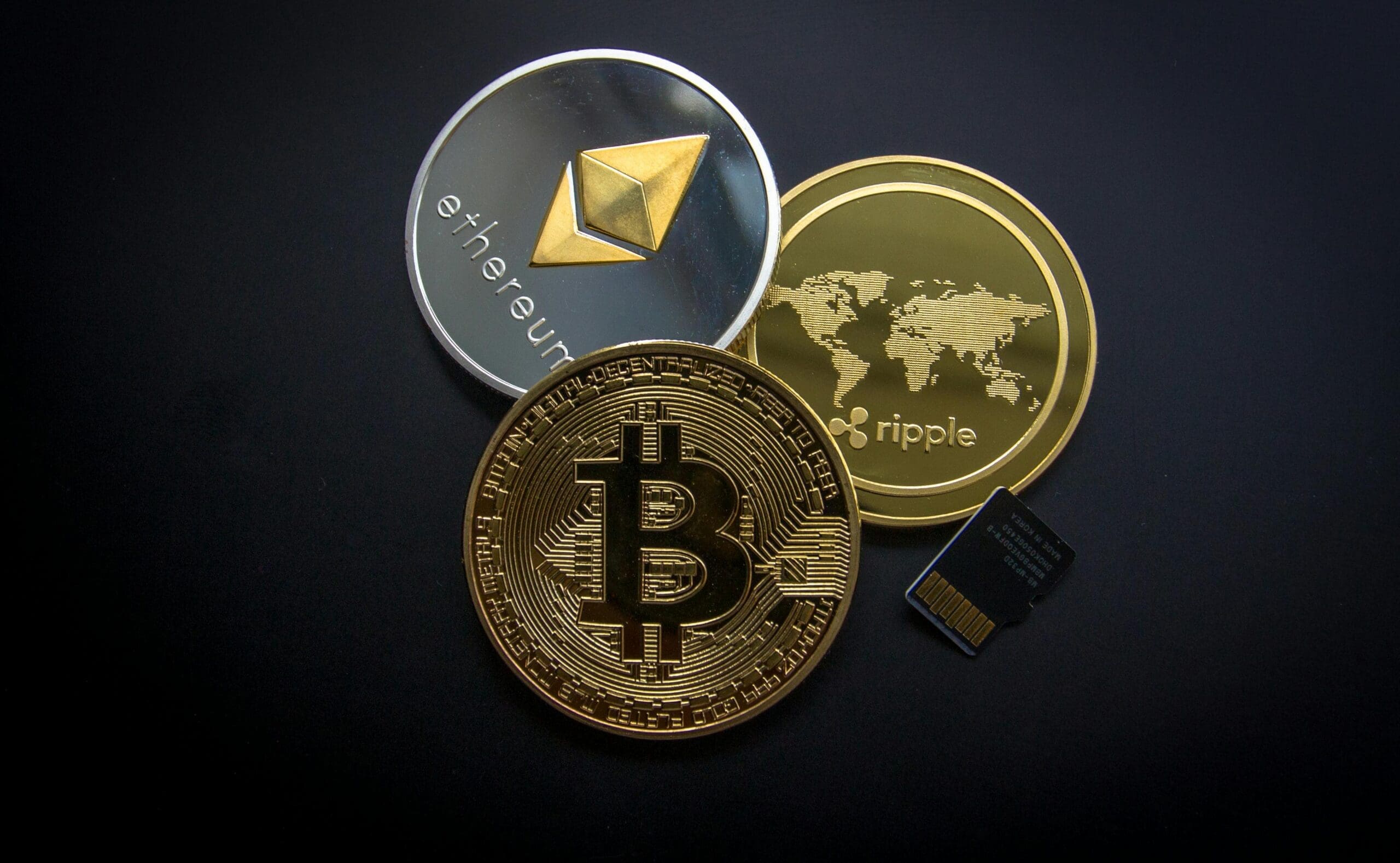
To gain a deeper analytical understanding of the market dynamics within such networks, the bitcoin price live is one of the tools used by enthusiasts to analyze the underlying trends and investor sentiment surrounding the DAO-related innovation.
What Exactly Is a DAO?
A DAO is a company formed on blockchain and managed by smart contracts, not by senior executives. Members possess tokens, which grant them the right to vote, as well as the ability to propose and vote on important decisions, including initiatives to support the operational strategy. At the sports level, this may result in DAO members voting on stadium projects, the hiring process of players, or even sponsorship agreements.
Transparency manifested by DAOs is huge. Each vote is stored in the blockchain, and execution of decisions is automatic by pre-defined logic. This shuts out the smoky room politics and backroom deals, which can be frustrating to fans of sports that are traditionally operated.
Rather than sit by helplessly and watch their favorite players sold off or see their favorite coaches axed, the fans, through the tokens, can become active participants in the clubways.
From Concept to Practice: Early Experiments
The concept of sports ownership through DAO is not so far-fetched. Over the past few years, there have been instances of crypto collectives attempting to acquire or invest in sports teams utilizing DAO frameworks.
Others have tried to purchase lower-division football in Europe or invest in esports team ownership. Although most of these initiatives have not yet been realized, they all indicate that the desire is present — and that the legal framework is beginning to take shape.
The fractional ownership is part of such appeal. Not all people can afford to purchase a football club or have courtside tickets to a basketball game in the NBA, but with DAOs, we may technically own a share in the future of a club using a few dollars worth of tokens.
The concept of a member-based approach to sports governance is not revolutionary, but it has existed in various formulations in European sports. The concept of DAOs aims to energize and scale this approach to a global, blockchain-based, and more efficient level.
Challenges Facing DAO-Based Sports Teams
Despite the optimism, the DAO model has several significant drawbacks regarding actual sports ownership in the real world. The first one is the legal complexity. The ownership conditions are usually strict in most professional sports leagues, often requiring that teams are majority-owned by individuals or companies that meet specific criteria. The leagues are yet to be ready to recognize a blockchain collective as a legal owner.
Additionally, the governance process in DAOs can be complex. The fact that voting rights are dispensed is not an indication that the decision-making process is always rational and informed.
Strategic planning in sports is complex, and it remains uncertain whether even large and decentralized organizations can consistently make practical decisions regarding team management. Decision-making involving inexperienced voters who are influenced by their emotions or online influencers may become disastrous.
There are also issues of token concentration. Even in the overwhelming majority of DAOs, a few wealthy holders continue to dominate the propositions, and ironically, redevelop the centralized form of power that the DAOs are intended to eliminate. Fan-owned, without the proper design of governance, is not the same thing as fan-controlled.
Why Fans Are Still Paying Attention
Despite the challenges, the idea of turning ownership of sports organisations into DAOs remains of interest, as it ties into a larger shift in the way sports fans are connected to the teams they support. Modern-day fans do not wish to remain passive. They are seeking a closer connection, backstage privileges and actual leverage. DAOs provide all three.
Additionally, younger sports markets are now accustomed to using blockchain-based tools. They buy up digital trading cards, sell money wipes and use crypto wallets. The move to DAO-based voting does not feel like a great leap, but rather another natural step.
As metaverse-based fan experience trends reach new heights, along with the introduction of virtual stadiums and token-gated content, DAOs offer an opportunity to connect digital fandom with real-life sports. They can invest in grass roots programs, sponsor local teams or even form brand new teams in which a community of international fans controls itself since the very first day.
What the Future Holds
At least, as of right now, DAOs in mainstream sports remain more of an idea than an actualized concept. However, the situation is changing fast. With cryptocurrency regulation becoming more established and sports teams seeking an additional point of contact with their fans worldwide, ownership through DAOs can be their niche at first, perhaps in minor teams, still-fledgling leagues, or digital-only sports, such as esports.
Some hybrid solutions may eventually emerge, where DAOs partially own or control teams in conjunction with traditional investors, or assume responsibility for specific aspects of their businesses, such as merchandise, ticketing, or fan engagement.
It is effects such as these that give the offer of true ownership to supporters, not just the sort that comes in the form of merchandise or loyalty points, but also an upside and a say in the electorate that will make it hard for clubs to overlook.
RELATED ARTICLES