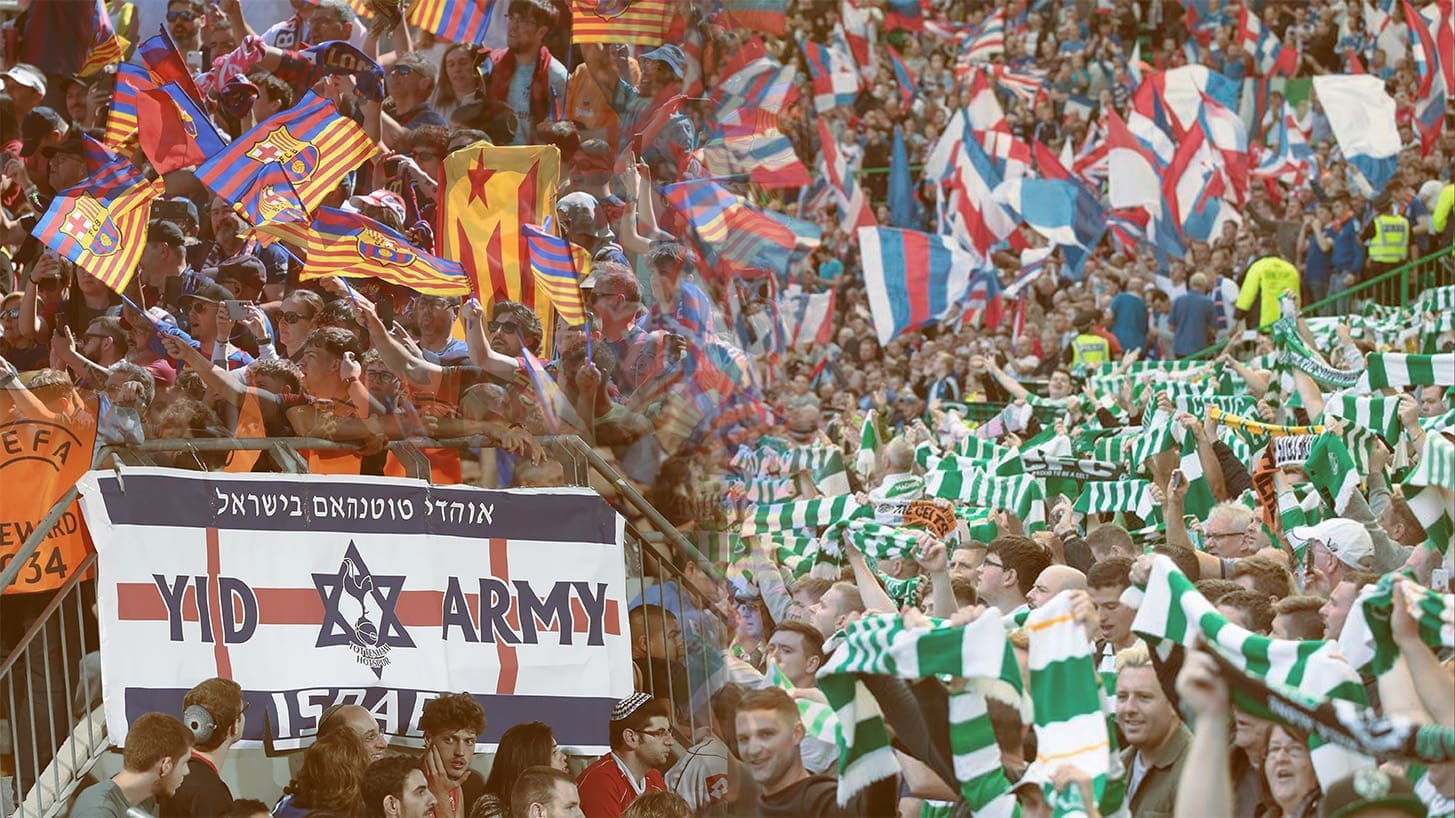
In the modern era of football, identities are forever changing, with more clubs than ever rewriting their history with new badges or showcasing new, high-tech grounds that offer so much more than the traditional terraces.
Overall, this movement has split fans, with some saying it’s time for the sport to develop and grow with the times, while others say keeping football traditional and maintaining heritage is far more important than turning a club into a recognisable brand.
Either way it is looked at, clubs will forever be evolving and transforming their identity, so today, BoyleSports, the home of casino bonus offers, will be taking a look at some football clubs that have transformed their identity.
Milton Keynes Dons
Potentially one of the worst rebrands in English football, the birth of MK Dons brought nothing but controversy, fan disagreement, and protests.
Wimbledon FC, FA Cup winners, League Cup winners, and a former Premier League side were folded and moved to Milton Keynes, rebranded as MK Dons, the new Wimbledon FC. Wimbledon fans despised the idea and, as a result, formed AFC Wimbledon in 2002.
Since then, MK Dons have become a somewhat disliked side by football fans, currently playing in EFL League 2. However, Phoenix side AFC Wimbledon participate in EFL League 1, overtaking their rivals as they look to recreate the glory produced by the former Wimbledon FC side.
Cardiff City
Another disastrous attempt at a rebrand came in 2012, when the owner, Vincent Tan, decided he wanted to make Cardiff City appeal more outside of Wales.
As a result of his desires, he announced he was changing the famous blue home shirts to red, the first time they had not worn blue as a home shirt since 1908, and even changed the badge to have a Welsh dragon as the primary image on the crest.
Despite protests, Tan had said that the rebrand would remain until the club had found a new owner; however, he changed the kits back to blue in 2015, as well as the club badge, as a way to ‘unite’ the club.
RB Leipzig
Red Bull has become a staple of sport in recent years, hosting some of the most daring motor sporting events, dominating on the race track in F1, and now owning several football clubs around the world.
RB Leipzig is just one of these clubs, forming in 2009 after the energy drink company purchased SSV Markranstadt, a fifth-tier German side. While the club formed a new association side in the 6th division, RB Leipzig continued in the fifth tier, progressing up the leagues thanks to heavy investment, reaching the Bundesliga only 7 years later.
The change of colours, name, and badge wasn’t liked by many fans across Germany, and caused even more controversy in the top flight.
After several loopholes, RB Leipzig were able to manoeuvre around ownership rules, only fueling more hatred towards the club from rival fans. Nevertheless, RB Leipzig has thrived in the Bundesliga, even performing in Europe’s biggest competition, the Champions League.
Hull City
Despite not actually going ahead, the Hull City rebrand caused uproar, with fans protesting before anything had even been changed. The FA decided to step in and reject any change to the club’s badge and name, which would have seen them being renamed Hull City Tigers.
The owner at the time, Assem Allam, believed that the name change would be beneficial for marketing purposes and applied for the change in 2013. He became a topic of conversation, but was rejected by the FA for the name change from Hull City A.F.C. to Hull Tigers.
This didn’t stop Allam, whose interviews would cause tension between himself and the fans, and he decided to reapply for the name change in 2015.
This was again rejected by the FA, resulting in fans protesting against his ownership, which would last for the following 7 more years, stepping down in 2022 at the age of 82.
Bury FC
While Bury FC may not have gone through the standard transition of transforming a club into a business asset or marketing scheme, they underwent a massive change in 2019 when financial issues caught up with the club, and it was expelled from EFL League One.
The owner at the time, Steve Dale, bought the club for £1, but admitted he didn’t even know they played football, which was an early red flag and indication as to where the club may be heading. As a result of lack of finances, the club ceased all activities in relation to the club.
In 2020, a new club was formed, Bury AFC, a fan-owned club for the supporters of Bury FC, whose goal was to bring Bury back to the level they deserved to be at.
But in 2022, the fan group were able to secure the rights to Gigg Lane, the former Bury FC stadium, the crest and the name ‘Bury FC’, merging the original Bury FC with the new Bury AFC club, reviving the over 130-year-old side.
Bury FC were back, and as of 2025, are attempting to climb their way back up the English pyramid in hopes of reaching the level they once were.
RELATED ARTICLES