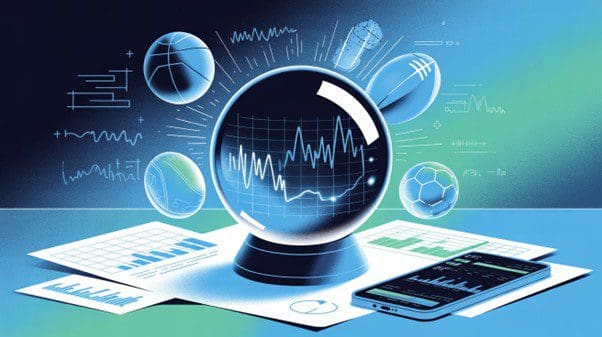
Sports fandom in 2026 looks nothing like it did even a few years ago. Watching a game is no longer a single-screen experience. Fans now follow live win-probability graphs, AI-generated matchup insights, and predictive models that update with every play. The modern sports viewer isn’t just reacting — they’re analyzing.
Artificial intelligence has become deeply embedded in how sports are played, coached, and consumed. From real-time strategy recommendations to post-play probability shifts, data now drives the conversation as much as the scoreboard does.
This evolution has changed how fans evaluate risk, momentum, and decision-making. It’s also why detailed breakdowns resonate more than ever. A thoughtful winna review, for instance, appeals to sports readers who already understand probability, variance, and outcome modeling through years of analytics-driven sports coverage.
For today’s fans, understanding why something happens matters as much as what happens.
Sports Fans Now Think Like Analysts
Advanced analytics are no longer niche. Concepts like expected value, situational probability, and performance variance are part of mainstream sports language. Fans routinely debate:
- Whether a coach followed the data
- If a risky decision was statistically sound
- How momentum shifted based on measurable factors
AI hasn’t removed emotion from sports — it has given fans better tools to explain it.
The Second-Screen Era Is the New Normal
In 2026, most fans watch games with a second screen open. Live dashboards, advanced stat feeds, and instant replays with data overlays enhance engagement rather than distract from it.
This has created a more informed audience that:
- Spots strategic errors instantly
- Understands long-term probability over short-term results
- Accepts uncertainty as part of competition
Close games feel more intense because fans can see how thin the margins really are.
Why Uncertainty Still Drives Excitement
Even with AI and predictive models, sports remain unpredictable — and that’s the point. Analytics don’t eliminate surprises; they frame them.
A play with a 10% success probability still succeeds one out of ten times. Fans understand this now, which makes unexpected moments feel earned rather than random.
According to recent sports psychology research summarized by the American Psychological Association, uncertainty increases emotional engagement and attention — especially when viewers understand the odds involved.
This balance between knowledge and unpredictability is what keeps modern sports compelling.
Smarter Fans, Higher Expectations
Today’s fans expect:
- Transparent systems
- Logical decision-making
- Honest analysis
They’re less impressed by hype and more interested in process. Whether evaluating teams, players, or sports-related experiences, fans apply the same analytical lens they’ve developed through years of data-driven viewing.
What This Means for Sports Media
Sports platforms that succeed in 2026 are the ones that respect their audience’s intelligence. Clear explanations, contextual data, and realistic expectations outperform sensational takes.
Sports fandom hasn’t become colder — it’s become sharper.
Final Thoughts
AI and analytics didn’t change why people love sports. They changed how people understand them.
Fans still cheer, argue, and feel deeply invested — but now they do so with probability models, live data, and strategic insight at their fingertips.
In 2026, the magic of sports isn’t just in the outcome.
It’s in understanding how close every moment truly is.
RELATED ARTICLES