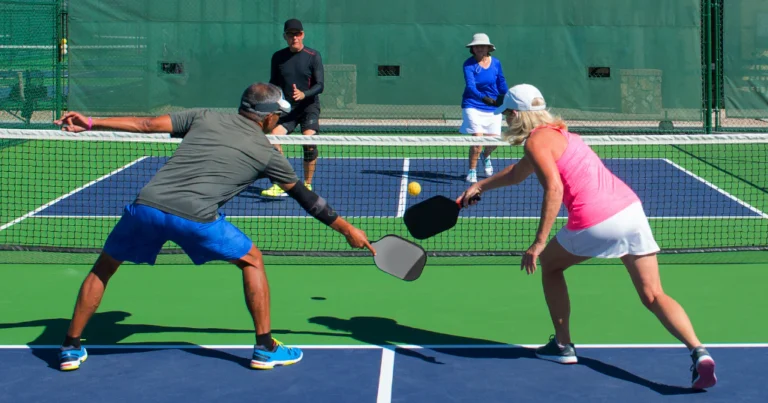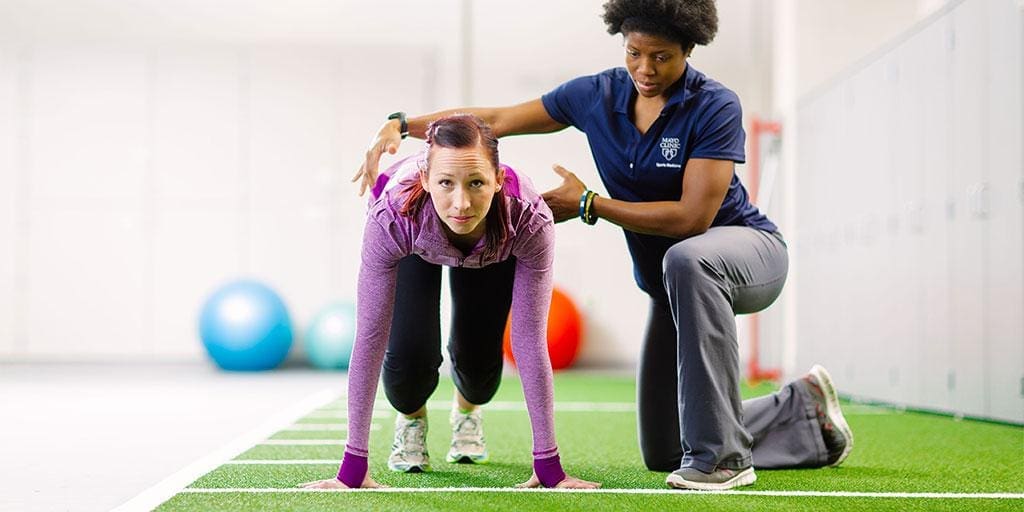
Elite and recreational athletes alike know that peak performance doesn’t just come from talent—it’s the result of smart training, recovery, and expert guidance. That’s why more athletes are turning to Singapore personal trainers to refine their technique, stay injury-free, and maintain year-round conditioning.
Athletes Need More Than Just Practice
Training for any sport involves repetitive motions, high physical demands, and often tight competition schedules. While sport-specific skills are essential, neglecting overall strength, mobility, and conditioning can limit performance or even lead to burnout.
This is where individualized coaching can make all the difference. A personal trainer helps create the balance between sport training, strength work, and recovery that’s needed for athletes to sustain peak condition.
Injury Prevention Through Targeted Strength Work
One of the most significant advantages of working with a personal trainer is injury prevention. Athletes frequently deal with overuse injuries, muscle imbalances, or inadequate recovery routines. A trainer designs programs that strengthen weak areas and improve joint stability, reducing the likelihood of injuries.
Corrective exercises, functional movement training, and mobility work are all staples of a well-rounded training plan—elements that are too often skipped in team settings.
Customized Programming for Every Season
Athletes go through different phases: pre-season preparation, in-season maintenance, and off-season recovery. Each phase has different physical demands, and training should reflect that.
Singapore personal trainers create adaptable programs that evolve with these phases, ensuring the athlete is never overtrained or underprepared. They adjust volume, intensity, and focus areas based on goals and upcoming competitions.
Improving Sport-Specific Performance
Whether it’s explosiveness in basketball, endurance in football, or rotational power in tennis, performance training needs to be tailored to the sport. A personal trainer evaluates movement patterns and incorporates exercises that build power, speed, agility, and coordination.
Rather than generic workouts, athletes receive custom routines aligned with the biomechanics of their sport.
Mental Edge Through Structured Training
Physical performance and mental resilience go hand in hand. A structured training plan provides a sense of progress and purpose, helping athletes stay focused, motivated, and confident.
Trainers also help athletes manage nerves, develop pre-competition routines, and build consistency—all of which contribute to peak mental performance.
Recovery and Regeneration Strategies
In high-performance sports, how well you recover is just as important as how hard you train. Personal trainers educate athletes on active recovery, rest protocols, hydration, and nutrition strategies that support regeneration.
If you’re looking for a facility that specializes in performance-driven training with experienced coaches, consider visiting Oompf Fitness for customized programs and expert support.
Many incorporate foam rolling, dynamic stretching, or low-impact workouts during deload periods to aid in muscle recovery without stagnation.
Technology and Progress Tracking
Today’s trainers use fitness tracking apps, wearable data, and performance metrics to tailor programs and measure results. For athletes, this means greater visibility into their progress, as well as early detection of fatigue or overtraining.
Trainers can adjust plans in real time, ensuring that workouts remain effective and aligned with physical feedback.
Who Can Benefit From Athlete-Focused Personal Training?
- Student Athletes: Building fundamentals, preventing injury, and preparing for next-level play.
- Amateur Competitors: Preparing for tournaments, races, or recreational leagues.
- Professional Athletes: Refining elite-level performance and reducing time lost to injuries.
- Weekend Warriors: Enhancing sport enjoyment while maintaining physical health.
Choosing the Right Personal Trainer for Athletes
Look for a trainer with experience in sports performance, functional training, and recovery protocols. The best trainers will conduct a full assessment before building a plan, focusing not just on gains, but on sustainability and injury risk reduction.
Credentials in strength & conditioning, biomechanics, or sports science are a big plus. And most importantly, a good trainer listens, adapts, and communicates effectively.
The Long-Term Payoff of Smart Training
Athletes who invest in tailored training stay healthier, perform better, and recover faster. In the long run, this means fewer missed games, better stats, and longer athletic careers.
Personal training isn’t just for beginners or gym-goers—it’s a high-level tool for anyone serious about staying at the top of their game.
RELATED ARTICLES