Every season, fans across the state ask the same question. Can Missourians finally place legal wagers at home, or does a quick border run remain the only option. For now the answer remains unchanged.
A regulated market has not launched, and efforts to create one continue to stall. Understanding why the gridlock persists, where nearby legal options exist, and what residents can do safely today helps clear up a topic that has generated years of headlines and frustration.
The Short Answer: Missouri Has Not Legalized Sports Betting
Missouri has not approved statewide wagering, and no licensed mobile apps or retail sportsbooks operate inside the state. Despite repeated attempts to establish a program, no enabling legislation has passed, leaving regulators without authority to issue licenses or oversight standards.
Anyone placing real money bets must do so in another state or through alternatives that do not use fixed odds. The pattern could change in a future session or through a voter backed initiative. Until then, only border markets offer full access.
How Missouri Reached This Point
Legislation has appeared nearly every year since 2018, but consensus continues to slip. Early proposals mirrored models that later succeeded in neighboring states, yet negotiations broke down over taxes, data costs, advertising language, and integrity fees.
The most persistent roadblock involves video lottery terminals in bars and convenience stores. Some lawmakers want to regulate these machines within the same bill as sports betting. Others prefer a clean bill focused on sportsbooks. As long as these viewpoints stay tied together, progress is difficult.
Team backed initiatives and polling have kept the issue in public view, but drafting timelines, court reviews, and political cycles have complicated ballot efforts. Entering 2025, each major faction still plans to revisit the matter.
Where Missourians Can Bet Legally Today
Missourians who want to place regulated wagers rely entirely on neighboring states. Anyone tracking regional laws often starts with an overview is sports betting legal in Missouri to understand how close the state is to launching its own market.
Kansas
Kansas offers statewide mobile wagering and retail sportsbook access at partnered casinos. Registration is remote, and funding is straightforward through banking tools and approved payment methods. Location checks confirm users are physically inside state borders, and limits on college markets are generally modest.
Illinois
Illinois provides both online and in person betting with a mature regulatory structure. Remote sign up is available, and major operators maintain partnerships with arenas and teams. College wagering is allowed, but restrictions on some player props apply. The market is known for strong competition and frequent pricing updates.
Iowa
Iowa remains a stable, rules driven market with remote registration and a mix of mobile and retail options. The state places limits on college player props but otherwise offers broad coverage. Competition among operators keeps odds and promotions competitive.
Arkansas
Arkansas features statewide mobile betting tied to casino partners. Retail books at established properties complement app based wagering. The state moved quickly from retail only to full online access, creating a convenient environment for nearby travelers.
Kentucky
Kentucky launched online wagering recently and now offers both mobile and retail choices. Regulators emphasize clear promotional language, strong verification tools, and required responsible gambling protections. Proximity makes it a practical option for many eastern Missouri residents.
Tennessee
Tennessee runs a mobile only model. No retail counters exist, and taxation is tied partly to handle rather than just revenue. Remote sign up is simple, and apps confirm presence inside state lines before accepting wagers.
RELATED ARTICLES



Nebraska
Nebraska permits only retail sports wagering at designated facilities. Mobile betting has not launched, so participation requires an in person visit to one of the approved venues.
What Missourians Can Do Without a Sportsbook
Even without regulated wagering, a few outlets remain available inside the state.
Daily Fantasy Sports
Paid entry fantasy contests operate legally through licensed providers. These platforms follow rules for age checks, beginner protections, and fund segregation.
While DFS typically focuses on skill based competitions rather than fixed odds, the format provides sports fans with a way to engage throughout each season.
Social and Sweepstakes Style Platforms
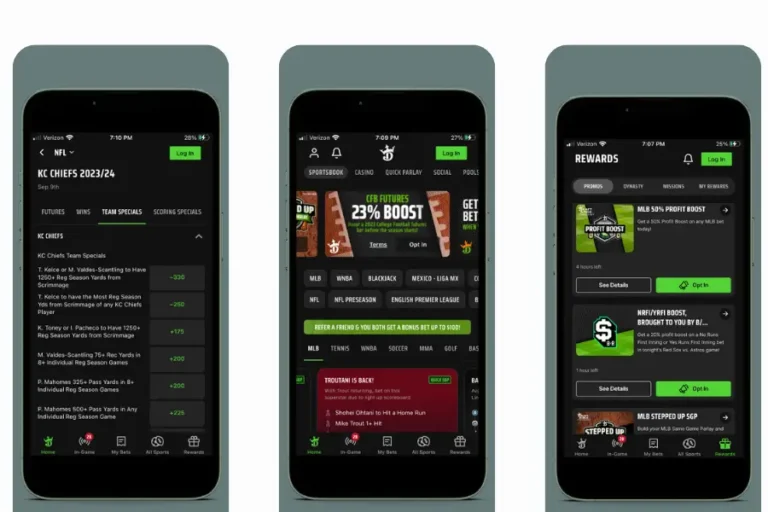
A growing set of sites use virtual currency systems that operate under sweepstakes rules. Players acquire coins through logins or through bundled purchases that include free entries. Wins convert to prizes or cash equivalents.
These systems mimic some features of sportsbooks but follow different legal frameworks. Reading terms carefully ensures users understand how redemptions work.
Office Pools and Private Wagers
Private pools, side bets, and informal contests can cross legal boundaries when organizers collect fees or profit from running the pool.
These arrangements carry potential civil and criminal exposure. When money changes hands outside regulated systems, the risk increases. Fans should avoid these gray areas and stick to formats with clear, compliant rules.
What a Future Missouri Market Might Look Like
While no bill has passed, discussions have produced a consistent outline of what a regulated system could include.
Retail Partners and Casino Anchors
Existing casinos are the most likely hosts for in person wagering. These properties already operate under strong regulatory oversight and could integrate ticket windows or lounge style areas for sports bettors.
Stadium based or arena adjacent locations could appear through team partnerships, but they would still require licenses and clear access rules.
Mobile Access and Verification Systems
Any mobile launch would rely on geofencing to verify physical presence inside the state. Expect standard identity checks involving SSN digits, address confirmation, and document upload.
Responsible gaming tools would likely include deposit limits, timeouts, self exclusion, and clear ad disclosures. These features have become baseline in most new markets.
Key Rulemaking Decisions
Policy debates will focus on college markets, player prop restrictions, promo deductibility, and tax rates. States across the country have begun limiting certain collegiate props in response to integrity concerns, and Missouri could follow that trend.
Tax rates must balance competitive pricing with expected state revenue. Requirements for official league data in live markets and funding for treatment services will also shape the rulebook.
Staying Safe and Within the Law
Until a regulated market launches inside Missouri, fans should focus on legal and secure practices.
Avoiding Offshore Sites
Unregulated offshore platforms operate without U.S. oversight. They lack guaranteed fund protection, standardized dispute resolution, and consistent security practices. Large bonuses often mask significant risk. When funds disappear or terms change without notice, users have no local regulator to contact.
For updates on how these risks intersect with mainstream sports developments, Surprise Sports covers breaking stories and industry shifts that shape both regulated and unregulated gaming environments.
Border Travel Tips
When traveling to a neighboring state to place wagers, enable location services and ensure WiFi scanning is active so devices can verify location. Bring government issued ID, and verify banking methods before depositing.
Some banks decline gaming coded transactions, so debit or ACH tools often work best. Always wait for the app to confirm presence inside the legal state before placing a bet.
Responsible Gambling Resources
Missourians can access confidential help lines at 1 888 BETS OFF and 1 800 GAMBLER. These services offer support for both individuals and families.
Neighboring states also provide platform based tools like deposit limits, cool off periods, and multi brand exclusion lists. If betting becomes stressful or compulsive rather than entertainment, using these resources early can make a significant difference in long term well being.
As lawmakers revisit the issue and neighboring states continue to expand, Missourians remain hopeful that a regulated option will eventually arrive. For now, staying informed, choosing legal avenues, and using responsible tools offer the safest and most reliable path forward.
RELATED ARTICLES