Sports venues are no longer just about the game itself. Fans now expect an experience that includes food, socializing, entertainment, and a sense of community. To keep up with these changing demands, arenas and stadiums are transforming their interiors into flexible, multi-use spaces. At the center of this transformation is modular furniture.
The days of static, heavy seating are fading. Fans want adaptive layouts that flow with pre-game build-up, mid-game excitement, and post-game celebrations. Modular high-quality restaurant tables and chairs enable venues to meet these shifting needs with ease.
They combine strength and style, yet they are versatile enough to serve multiple purposes across a single event. As arenas renovate to stay modern, flexible furniture is becoming a key part of the upgrade.
Statistics show that venues using modular setups report up to 30 percent higher dwell time, as fans are more likely to stay longer when spaces encourage comfort and connection. In many ways, modular design is helping venues remain relevant in a rapidly changing entertainment landscape.
The Rise of Modular Furniture in Sports Venues
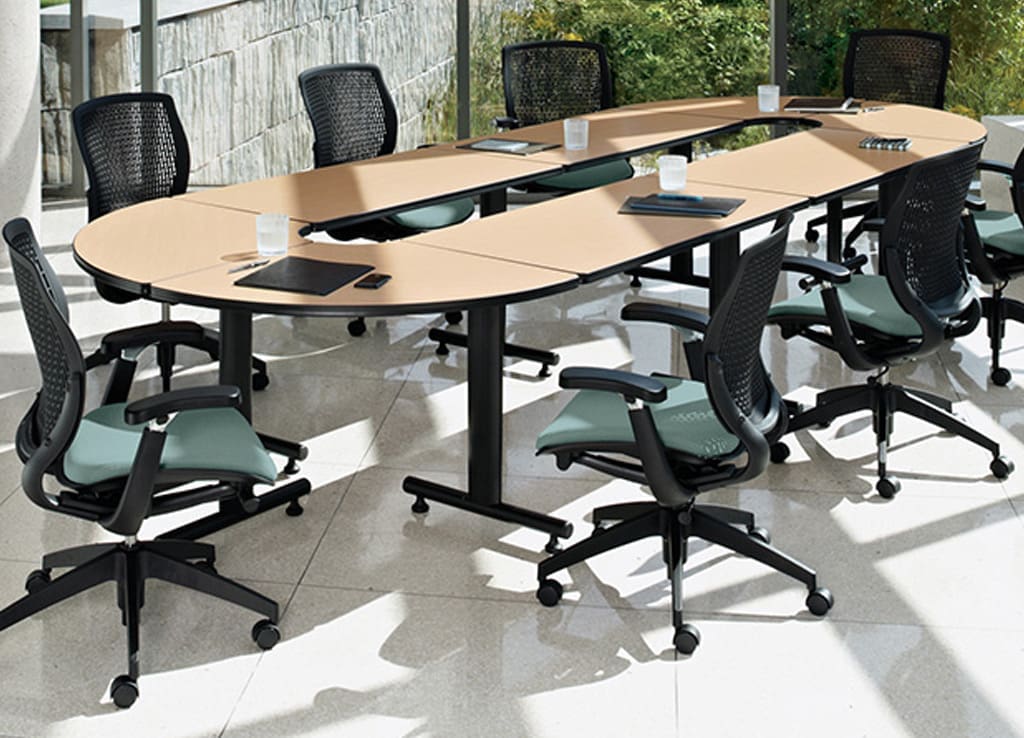
Modular tables and chairs are designed to be movable, lightweight, and adaptable. They allow layouts to change quickly in response to the event. What used to be rigid rows of fixed seating is now being replaced by flexible arrangements that can accommodate both intimate gatherings and large crowds.
The appeal is clear. Venues can reconfigure spaces for dining, mingling, or viewing, often within minutes. Pop-up fan zones are becoming a standard feature in arenas worldwide, and modular furniture is what makes them possible.
The growing market for modular stadium infrastructure is now valued at nearly $6.8 billion and is experiencing double-digit growth. For sports franchises, the benefits go beyond aesthetics.
Modular systems help maximize every square foot, cut reconfiguration times by as much as 50 percent, and provide cost savings over permanent fixtures. The industry shift is undeniable, as more stadiums adopt furniture that accommodates diverse formats, ranging from live games to concerts and community events.
Designing Fan Zones with Flexibility in Mind
Successful fan zones are designed with adaptability at their core. Before a game, spaces may serve as dining areas. During the game, they shift into lively gathering spots. Afterward, they transform again into social hubs where fans celebrate or relax. Modular furniture allows all of this with minimal effort.
Venues are creating spaces that cater to families, groups of friends, and solo visitors alike. Tables can double as dining and socializing hubs, while lounge chairs and drink rails provide variety for different moods.
Modular pieces also allow for branded clusters that reflect team colors or themes, adding a personal touch to the venue. At the same time, movable furniture improves sightlines and ensures accessibility for all guests.
Studies show that when spaces are designed for flexibility, fans spend up to 20 percent more on concessions. The ability to repurpose zones also benefits venues outside of sports, enabling them to host concerts, festivals, or community events without significant setup costs.
Materials and Durability for High-Traffic Areas
Durability is essential in stadiums where tens of thousands of fans pass through on game days. Modular tables and chairs used in these settings must be built with commercial-grade strength to withstand the demands. Weather-resistant materials are vital for outdoor fan zones.
Lightweight metals, reinforced plastics, and high-strength composites are increasingly popular choices. Upholstered finishes must be durable, stain-resistant, and easy to clean, ensuring furniture stays fresh throughout heavy use. Safety also plays a role, with designs that resist tipping and meet stadium regulations.
Sustainability is another driving factor. Many modular pieces are now designed with recyclable materials, which aligns with environmental commitments that many sports organizations are adopting.
While plastic still accounts for approximately 58 percent of stadium seating, metal components are gaining momentum due to their superior durability. Investing in high-quality modular furniture ensures both cost efficiency and longevity.
Technology Integration in Modular Furniture
Technology has become a natural part of the fan experience, and furniture is no exception. Modular tables and chairs now often include built-in charging stations, keeping fans connected throughout the event. Wireless charging pads are being integrated into tabletops, while LED lighting creates an atmosphere for night events.
In some stadiums, tables feature NFC payment technology, allowing fans to order food or drinks directly from their seats without leaving the action. Screens and interactive surfaces are also being added, creating new ways to engage with live content.
With 5G expanding across sports venues, modular furniture is being designed to support seamless connectivity, ensuring fans can stream, share, and interact without interruption. Future concepts even include AI, AR, and VR experiences embedded into furniture, giving fans new levels of interaction.
Interactive zones featuring touch-enabled games and augmented overlays are already being introduced in pilot programs, seamlessly combining entertainment with seating comfort.
Enhancing Fan Experience Through Flexible Design
The fan experience is shaped not just by the game, but also by the environment surrounding it. Modular furniture creates opportunities for social interaction and community, two things that modern fans value highly. Comfort encourages longer stays and greater spending on food, drinks, and merchandise.
Different groups can enjoy seating tailored to their needs, whether that means a large communal table, a cozy lounge cluster, or a private pod for two. These options turn a simple game day into a memorable event.
Surveys show that nearly half of fans attend sporting events primarily for social time with friends and family, while younger audiences place greater importance on variety and experience.
Venues that provide flexible, welcoming spaces receive higher satisfaction scores, with up to 70 percent of fans rating their visit more positively when they feel the environment fosters a sense of community. By offering these experiences, modular design directly contributes to excitement, loyalty, and repeat visits.
Economic Impact for Venues and Teams
The financial benefits of modular furniture extend far beyond the initial investment. Multi-purpose spaces generate more revenue by allowing venues to host different types of events. Compared to permanent structures, modular systems offer reduced costs and added flexibility.
Extended fan dwell time results in increased spending on concessions, and branded modular spaces create opportunities for sponsorships. Data shows that fans in flexible hospitality zones spend more per visit compared to those in traditional seating.
Quick reconfiguration also reduces labor costs and downtime, thereby enhancing efficiency in venue operations. In the long run, durable furniture saves money by minimizing replacement expenses.
Retractable and modular seating options also help cut construction and reconfiguration costs, while premium hospitality zones created with modular systems command higher per-fan revenue. For teams and owners, the Return on Investment (ROI) makes modular design a clear choice.
Building the Stadium of Tomorrow with Modular Flexibility
The transformation of sports venues into flexible, fan-focused spaces is no passing trend. Modular furniture has proven to be a crucial component of this evolution. It blends comfort, durability, and technology, ensuring fans enjoy a complete experience from start to finish.
Fan zones are becoming the true heart of modern stadiums, and modular design is what makes them possible. By creating adaptable spaces, venues meet the needs of diverse audiences while increasing revenue opportunities.
Investing in modular infrastructure now prepares stadiums for the shifts in entertainment that lie ahead. These systems provide long-term value, adapting to trends that will continue to shape the fan experience.
Flexibility is not only about function but also about loyalty. Fans remember the atmosphere, the comfort, and the sense of community. When a stadium makes that possible, it builds connections that last.
Modular tables and chairs are no longer optional additions. They are the backbone of dynamic fan zones, ensuring that stadiums can evolve and deliver unforgettable experiences for decades to come.