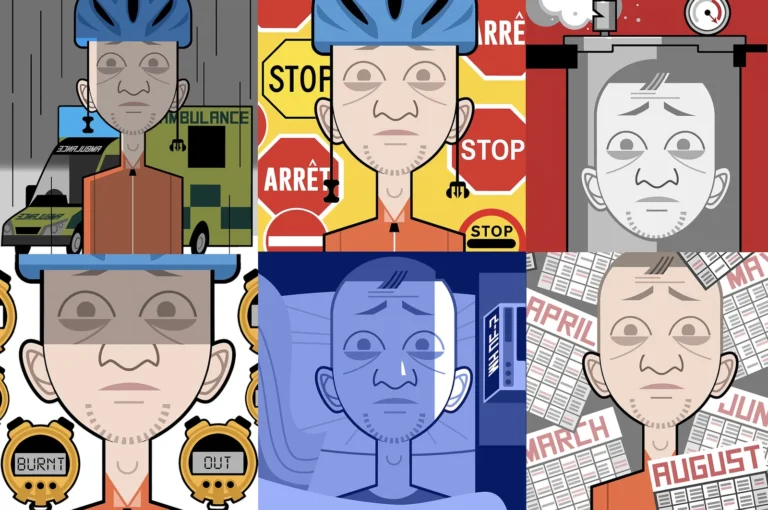
Athletic success is often measured in speed, strength, and statistics. Fans track minutes played, points scored, and records broken. Behind the highlight reels, however, longevity in sport depends on something far less visible.
Mental health increasingly shapes how long athletes can perform at a high level, how they recover from setbacks, and how they transition through different stages of their careers.
From youth leagues to professional competition, the conversation around athlete wellness is expanding. Physical training remains essential, but mental resilience, emotional regulation, and psychological support are now recognized as equally foundational.
The athletes who last the longest are rarely just the strongest. They are the ones who learn how to manage pressure, identity, and recovery over time.
The Pressure That Never Shows on the Scoreboard
Competitive sports place athletes under constant evaluation. Performance is public, criticism is immediate, and expectations rarely ease.
For professionals, this pressure is amplified by contracts, sponsorships, media scrutiny, and the knowledge that careers can be short. Even at amateur and collegiate levels, athletes often feel that one poor season or injury could change everything.
This persistent stress does not disappear when the game ends. Travel schedules, recovery demands, and personal sacrifices blur the line between competition and everyday life.
Over time, unmanaged pressure can lead to anxiety, sleep disruption, emotional exhaustion, and loss of motivation. These issues may not cause an immediate performance drop, but they quietly erode consistency and confidence.
Mental Fatigue and the Slow Burn of Burnout
Burnout is rarely dramatic. It often develops gradually, beginning with mental fatigue rather than physical breakdown. Athletes may feel detached from their sport, struggle to focus during training, or lose the sense of purpose that once fueled them.
Because these symptoms are less visible than a torn ligament or muscle strain, they are often overlooked or dismissed.
Mental fatigue affects decision-making, reaction time, and emotional control. Over a long season or multi-year career, this can increase injury risk and shorten competitive windows.
Athletes who ignore early warning signs may push through until performance declines sharply, making recovery more difficult and sometimes forcing early retirement.
Injury, Recovery, and the Psychological Battle
Physical injuries are inevitable in sport, but recovery is not purely physical. Rehabilitation demands patience, discipline, and confidence in the healing process.
Athletes recovering from injury often face fear of re-injury, frustration with reduced performance, and anxiety about their place on the team.
Without adequate mental support, these challenges can delay recovery or lead to rushed returns. Athletes may feel pressured to prove readiness before they are psychologically prepared.
Over time, this cycle increases the likelihood of repeat injuries and undermines long-term career stability.
Identity and Life Beyond the Game
For many athletes, sport becomes a core part of identity from a young age. Training schedules, social circles, and self-worth are often tied to performance. While this focus can drive success, it also creates vulnerability. When performance dips or careers end, athletes may struggle with loss of identity and direction.
Athletes who develop mental flexibility and broader self-awareness are better equipped to navigate these transitions.
Understanding that value extends beyond competition allows individuals to approach training with healthier perspective and reduces the emotional impact of inevitable changes.
Why Mental Health Is Now a Performance Metric
Coaches and organizations increasingly recognize that mental health influences availability, consistency, and leadership.
Athletes who manage stress effectively are more likely to maintain stable performance across seasons. They recover faster from setbacks, communicate more clearly, and adapt to evolving roles within teams.
Mental health is no longer treated as a separate issue addressed only during crisis. It is becoming a proactive component of performance planning.
Just as athletes schedule physical evaluations, many now incorporate mental check-ins to assess stress levels, motivation, and emotional well-being. Early awareness allows for adjustments before problems escalate.
In this context, some athletes and organizations view a confidential mental health screening as a practical starting point for understanding psychological strain and identifying support needs without disrupting training or competition schedules.
The Role of Coaches and Support Systems
Longevity is rarely achieved in isolation. Coaches, trainers, and support staff play a critical role in shaping an athlete’s mental environment.
Communication style, expectations, and workload management all influence psychological health. When athletes feel heard and supported, they are more likely to report concerns early.
Strong support systems also normalize mental health conversations. When leaders acknowledge stress and recovery as part of the process, athletes feel less pressure to suppress struggles. This cultural shift helps prevent small issues from becoming career-altering problems.
Redefining Mental Toughness
Traditional sports culture often celebrates mental toughness as silence and endurance. While resilience remains important, modern perspectives emphasize adaptability and self-awareness. True mental strength includes recognizing limits, seeking guidance, and making informed decisions about health.
Athletes who redefine toughness in this way tend to sustain longer careers. They learn when to push and when to rest, how to separate self-worth from results, and how to maintain motivation through changing circumstances. This balance supports both performance and long-term well-being.
Youth Athletes and Early Habits
Longevity begins long before professional contracts. Young athletes who are taught emotional regulation, healthy goal-setting, and stress management build foundations that carry into adulthood.
Early exposure to balanced training environments reduces burnout risk and promotes enjoyment alongside competition.
Parents, coaches, and organizations influence these habits. Encouraging open dialogue and realistic expectations helps young athletes develop confidence without excessive pressure.
These early experiences often determine whether individuals remain engaged with sport for life or leave due to emotional exhaustion.
Looking Ahead: A More Sustainable Model of Sport
As sports continue to evolve, sustainability is becoming a central theme. This extends beyond facilities and schedules to include athlete health in its broadest sense.
Mental well-being is now recognized as essential to sustaining performance, leadership, and passion over time.
Athletes who invest in psychological health alongside physical training position themselves for longer, more fulfilling careers. Organizations that support this approach benefit from improved performance consistency and stronger team culture.
The future of sport increasingly belongs to those who understand that longevity is built from both muscle and mind.
Conclusion
Athletic longevity is no longer defined solely by physical durability. Mental health shapes how athletes respond to pressure, recover from injury, and adapt to change.
By recognizing psychological well-being as a core performance factor, athletes and organizations can extend careers and improve quality of life both during and after competition.
More than muscle is required to last in sport. Awareness, support, and proactive mental care are becoming essential tools for those who aim not just to compete, but to endure.