Introduction
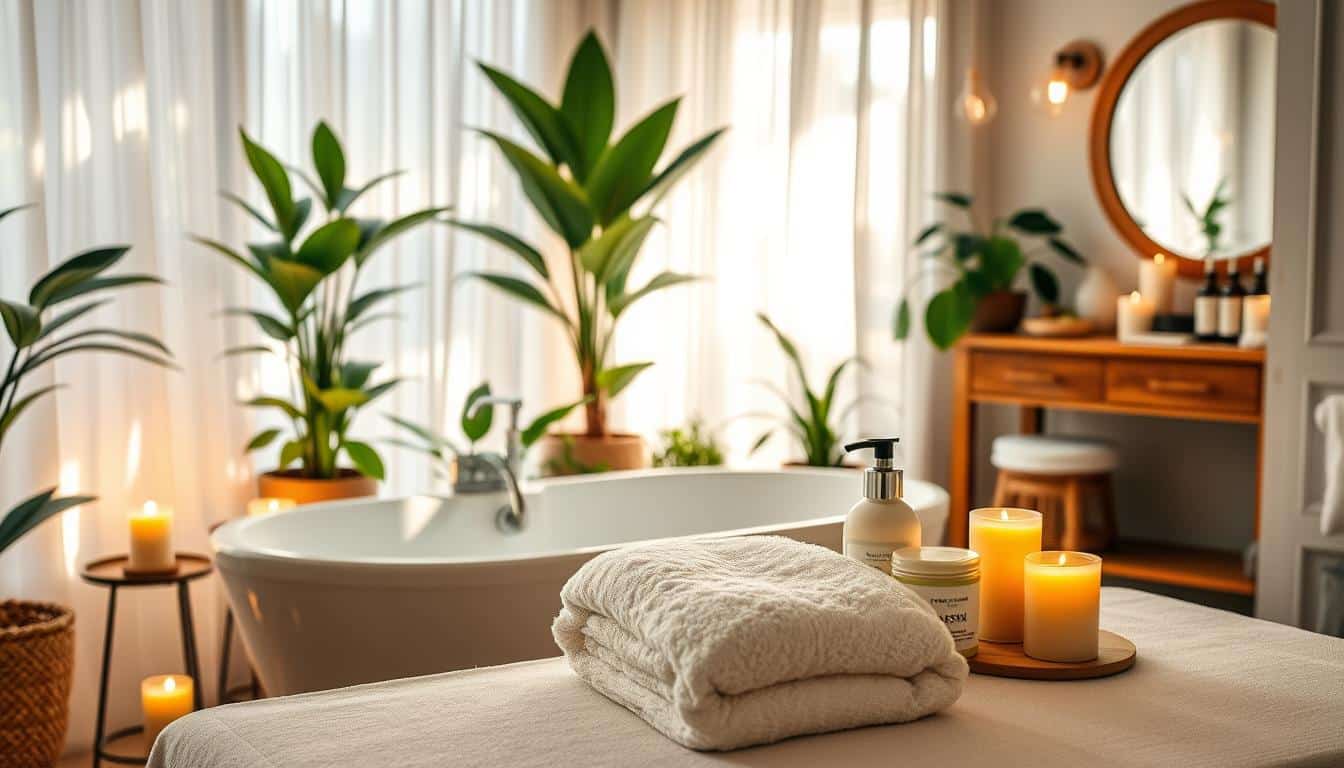
Creating a spa experience at home feels like a dream come true. You can relax, refresh, and enjoy self-care without leaving your space.
But is it all bliss, or are there hidden challenges? In this guide, we explore the real pros and cons of at-home spa setups so you can enjoy the ultimate pampering wisely
Key Takeaways
- Save Money Over Time: An at-home spa requires upfront investment but reduces long-term spa expenses.
- Enjoy Ultimate Convenience: Skip appointments and travel—treat yourself whenever it suits you.
- Customize Your Experience: Control lighting, music, scents, and temperature to match your mood.
- Balance Relaxation with Safety: Some treatments are hard to replicate at home, know your limits.
- Boost Well-Being with Aromatherapy: Use scents like lavender, eucalyptus, and peppermint to relax, improve sleep, and lift your mood.
Pros & Cons of At-Home Spa Setups
Saves Money Over Time but Requires Initial Spending
An at-home spa can cost a few hundred to several thousand dollars. While the initial investment is high, it pays off over time compared to frequent professional visits. Hidden costs include replacement parts, spa products, and occasional repairs.
Considering different sauna types can help you choose the best fit for your space and budget. Budget-friendly options, like simple bath accessories or compact devices, help reduce spending. With regular use, an at-home spa can pay for itself in months or years.
Ultimate Convenience Without Appointments or Travel
At-home spas let you skip bookings, travel, and waiting. You control the schedule and can fit treatments into your day.
Sessions remain private and uninterrupted, and you avoid commuting stress. This flexibility turns spa visits into a convenient, on-demand experience.
Fully Customizable Experience Based on Personal Preferences
You can adjust lighting, music, scents, and water temperature to suit your mood. Choose products for your skin type and structure sessions as you like. Every detail can be personalized, making the experience fully yours.
Professional Results Are Hard to Fully Replicate at Home
Home setups offer relaxation but rarely match professional results. Deep skin care or advanced massages need trained hands. Some treatments, like chemical peels or specialized therapies, are unsafe at home. Results depend on skill and technique, so realistic expectations are essential.
Requires Time, Effort, and Regular Maintenance
Maintaining an at-home spa requires daily cleaning and periodic device servicing. Sessions demand setup and cleanup, and consistent effort is needed for hygiene and safety. Planning time and resources ensures the spa stays functional and inviting.
More Privacy and Comfort Than Public Spas
At-home spas provide privacy, control over ambiance, and family-friendly options. You avoid crowded spaces, strangers, and public chatter. The controlled environment enhances relaxation and comfort compared to public spas.
Safety and Technique Limitations Without Expert Guidance
At-home treatments carry risks if misused. Equipment can cause burns or strain, and some techniques are hard to perform safely. Following instructions reduces risk, but complex procedures should remain with professionals.
The Power of Aromatherapy in Your Home Spa
Aromatherapy Reduces Stress and Boosts Relaxation
Aromatherapy works by sending calming scents to your brain, which can lower stress hormones and trigger relaxation responses in the body. When you inhale essential oils like lavender or chamomile, your nervous system gets a gentle signal to slow down, helping your mind feel calmer and your body more at ease.
A systematic review of 76 clinical studies found that inhalation aromatherapy often reduced anxiety and stress, while a smaller study with college students showed aroma inhalation improved sleep, energy, and lowered stress levels, making it a simple yet effective way to unwind at home.
Lavender, Eucalyptus, and Peppermint Are the Best Oils for Home Spas
Lavender oil calms the mind and reduces stress. Eucalyptus clears sinuses and refreshes the air. Peppermint energizes the senses and eases headaches. You can blend these oils safely in small amounts.
Essential oils also improve ambiance, turning your space into a peaceful retreat. A lavender and eucalyptus mix works well for relaxation.
Diffusers, Candles, and Sprays Make Your Space Smell Amazing Effortlessly
Diffusers release oils gradually, candles add scent and warmth, and sprays refresh the aroma instantly. Using all three creates a layered fragrance that lifts mood and promotes relaxation. Scents like lavender calm, citrus energizes, and sandalwood soothes. Set a simple routine: diffuse in the morning, light a candle in the evening, spray as needed.
Certain Scents Help You Sleep Better and Improve Mood
Certain scents help you sleep better and improve mood. Scientific research supports the calming effects of aromatherapy on both mind and body.
A study highlighted in Complementary Therapies in Medicine analyzed 30 studies on adults and elderly people, finding that aromatherapy significantly improved sleep quality, reduced stress, and eased anxiety, depression, pain, and fatigue.
Benefits were strongest with aroma massages, sessions longer than 20 minutes, or higher-quality studies, showing that consistent use can create a noticeable difference. Meanwhile, specific scents play distinct roles in mood and relaxation.
Research published in the Frontiers in Behavioral Neuroscience Journal found that lavender promotes a sense of calm, lowering self-reported anxiety, while African stone alters physiological responses, enhancing attention and relaxation simultaneously.
These findings suggest that carefully choosing scents for your home spa, whether to unwind, improve sleep, or boost focus, can make a meaningful difference in your overall well-being, turning simple routines into restorative rituals.