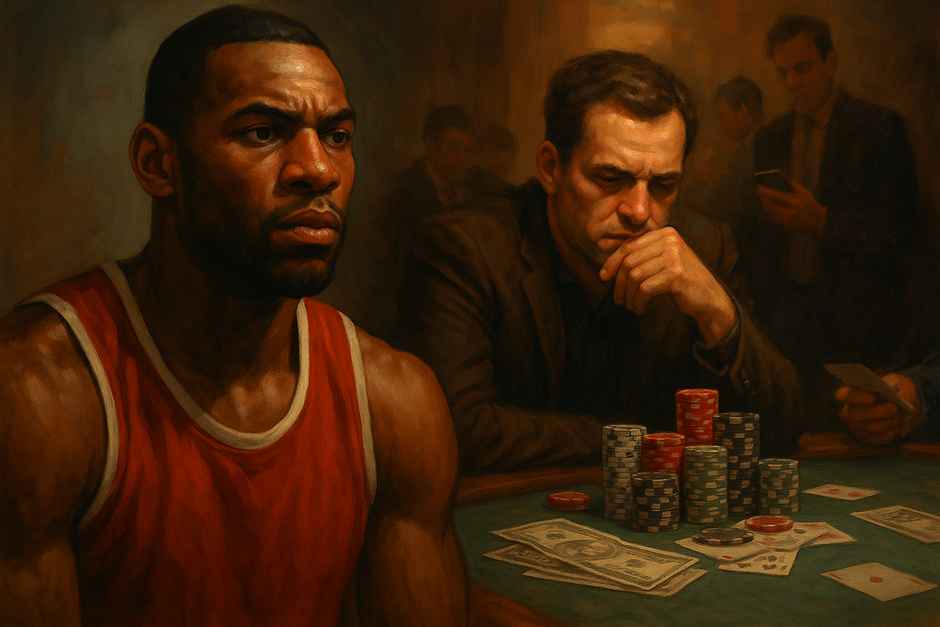
For elite-level athletes, the game never truly ends when the final whistle blows. The roar of the crowd fades to a whisper, and the adrenaline rush subsides to a gentle hum, yet many stars are left with a nagging desire to compete.
Some try to satisfy this hunger by coaching or investing in businesses, but others find themselves at poker tables, scrolling through betting apps, and placing wagers in back rooms — all in an attempt to recreate the electric thrill of competition.
It’s not just about money. It is often much deeper than that; it is often a deep need to find that super high stakes, pressure situation again. After years of living in a world where every second and every move could define a career, the silence of retirement—or even the off-season—can feel unbearable.
Why Athletes Gravitate Toward Gambling
In sports, pressure is not episodic but a constant companion. Every sprint, every split-second decision unfolds in a swirl of risk and opportunity. Athletes are conditioned to embrace uncertainty and to perform in chaotic environments.
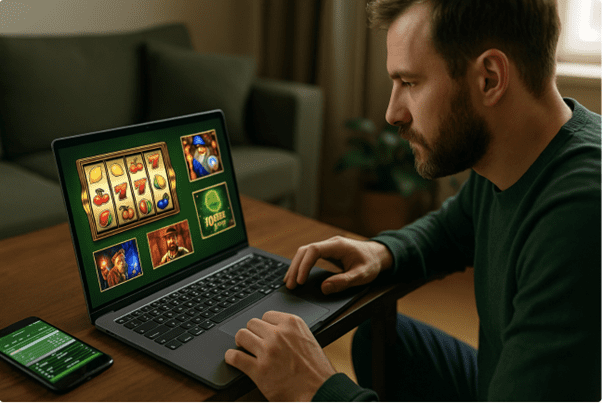
When that level of intensity disappears, gambling often steps in to fill the void. The high stakes, the rush of adrenaline, and the possibility of a big win create an emotional rhythm that feels strikingly familiar. Online platforms, including 7bitcasino, replicate this charged atmosphere, offering athletes an outlet to chase the same competitive thrill they once felt on the field.
Sports psychologists highlight how easily professional players can transfer their risk-taking mindset from sports to gambling. Both worlds demand tolerance for volatility and expose individuals to emotional highs and lows. For some, betting becomes more than entertainment—it’s a way to recapture the sense of purpose and danger that defined their careers.
“On the court, I felt alive because everything was on the line. Gambling gave me a taste of that when the games were gone,” confessed a retired NBA player in a candid interview.
The Numbers Behind the Trend
Recent studies paint a troubling picture: professional athletes are far more likely than the average person to develop gambling problems.
- Nearly 60% of athletes reported gambling within the past year.
- About 8% showed signs of problem gambling—three times higher than in the general population.
- Among young athletes aged 18 to 24, one in six admitted to betting on their own sport at least once.
These figures point to a quiet crisis—one that many leagues have been reluctant to confront.
When Structure Disappears
Retirement, injury, or even a brief pause between seasons can create a dangerous void. The schedules, the daily competitions, the laser focus—they disappear in an instant. Many athletes are lost.
For years, they oriented their life around structure: morning practices, grueling games, recovery, and then…nothing but time. They fill the hours with gambling. And the lure of gambling is the familiarity of culture, excitement, and the misleading sensation of control.
In gambling, however, unlike sports, discipline and preparation aren’t rewarded. And certainly someone can lose it all, even the strongest competitor in sport cannot compete.
Gambling Platforms and the Athlete’s Appeal
The rise of online casinos has deepened this connection, and 7Bit Casino https://7-bitcasino.com/ offers an environment that replicates the adrenaline and high stakes athletes crave, with fast-paced games, big wins, and an atmosphere that feels close to the competitions they once dominated. For some, it becomes a way to chase the same emotional highs outside the stadium.
Notable Stories of Athletes and Gambling
This is not a mannequin problem. There are too many extreme examples:
- Michael Jordan will be remembered as one of the greatest basketball talents in history, but his stories of gambling on the golf course and at poker were held to the same standard as the NBA Finals.
- Floyd Mayweather has turned sports betting into a theatrical experience, and he often touts his more than a million-dollar wagers and wins against even larger, championship belt’s worth.
- Wayne Rooney, like Michael, one of the most recognized football players out of England, admitted he lost significant sums in casinos over his career and, at one point, almost lost his entire bankroll.
Even the best-prepared athletes can lose it all by gambling on chance.
A Risky Culture
There has always been a level of entanglement connecting sports and gambling. From harmless pools in the locker room to billion-dollar industries betting on sports, the two worlds feed off each other. For many athletes, it isn’t even about the money, it’s about the thrill, feeling in-control of an uncertain game.
But what starts as a vehicle for competition can quickly turn to ruin. In sports, practice and skill shape the outcome. In gambling, luck holds the reins. For athletes accustomed to controlling their destiny, that loss of agency can be maddening.
When the Lights Go Out
For most pro athletes, a win isn’t just a moment—it’s a craving. They’re not drawn to bad decisions intentionally. But after tasting victory, many keep chasing that next high.
When the lights dim and the crowds go silent, they search for the next arena to prove themselves. For some, gambling feels like the only game left to play.
But here’s the question: when the pursuit of risk becomes the game itself, where does it end?
RELATED ARTICLES