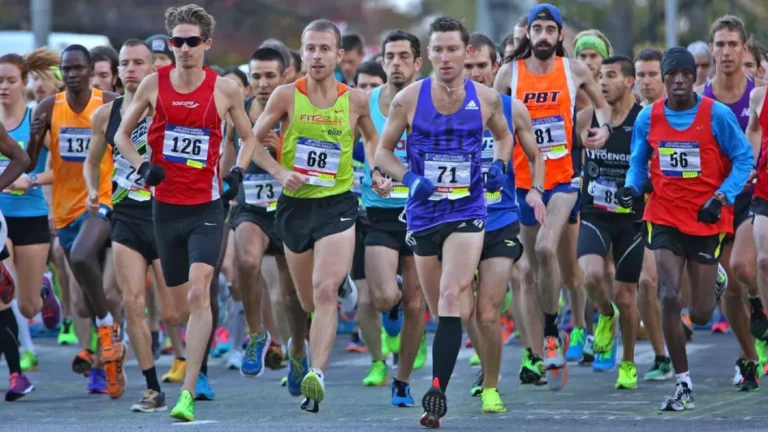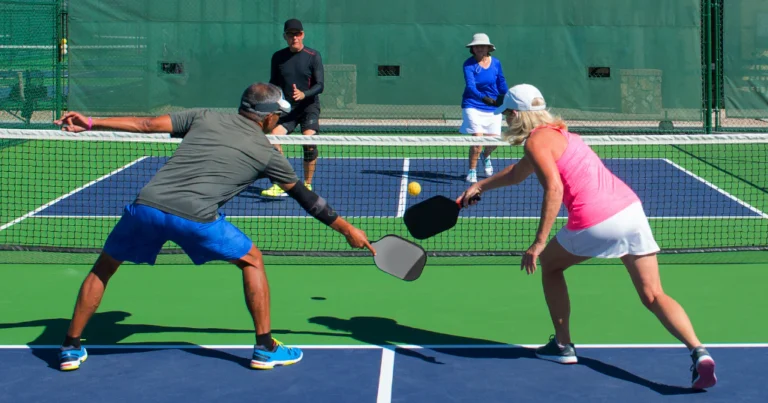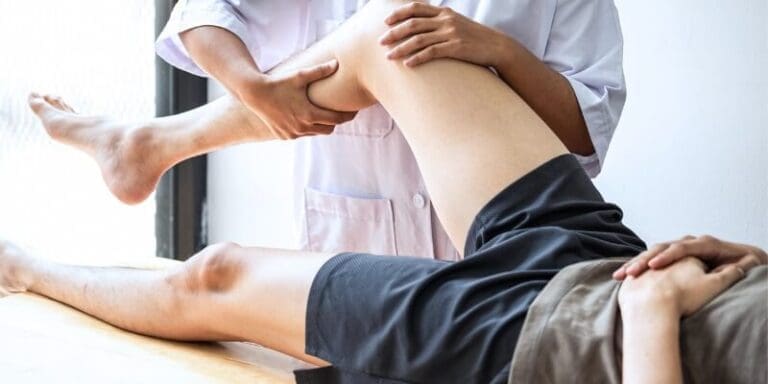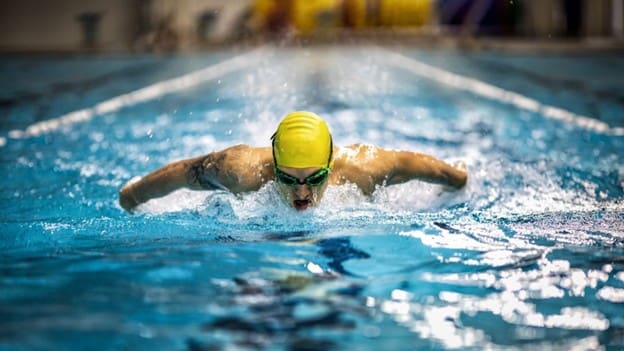
Athletes and sports enthusiasts constantly push their physical limits, exposing themselves to risks such as injuries, sudden cardiac events, and other emergencies.
Having CPR and first aid training is a critical skill set that not only benefits sports professionals but also spectators, coaches, and trainers.
This guide explores the importance of CPR and first aid training in the sports world and how it can make a life-saving difference.
Why CPR and First Aid Training Matter in Sports
Sports environments are inherently dynamic and physically demanding, which increases the likelihood of accidents and medical emergencies.
Here are some key reasons why CPR and first aid training are essential:
- Immediate Response to Cardiac Emergencies: Cardiac arrest can occur unexpectedly, even in seemingly healthy athletes. Quick action and CPR can double or triple the chances of survival. Athletes, coaches, and on-site staff trained in CPR can provide immediate assistance until professional medical help arrives.
- Management of Common Sports Injuries: Sports injuries such as fractures, sprains, and concussions are common. First aid training equips individuals with the knowledge to manage these situations effectively, minimizing complications and improving recovery outcomes.
- Enhanced Team Safety: In team sports, the ability to respond to emergencies builds a culture of safety and trust among teammates, making training an essential aspect of team preparedness.
- Preparedness for Spectator Incidents: Large sporting events attract thousands of spectators. CPR and first aid training among event staff ensures prompt care for attendees who may experience medical emergencies during events.
Key Components of CPR and First Aid Training
Comprehensive CPR and first aid training programs cover a range of skills designed to address various emergencies. Key components include:
- CPR Techniques: How to perform chest compressions and rescue breathing for adults, children, and infants.
- Use of Automated External Defibrillators (AEDs): Learning how to operate an AED to restart a stopped heart.
- Bleeding Control: Techniques to stop bleeding using bandages, pressure, or tourniquets.
- Fracture and Sprain Management: Methods to stabilize injuries and prevent further damage.
- Concussion Protocols: Recognizing symptoms of concussions and providing immediate care.
- Heat and Cold-Related Emergencies: Addressing heatstroke, hypothermia, and dehydration.
How to Implement CPR and First Aid Training in Sports Settings
- Organize Regular Training Sessions: Schedule CPR and first aid training workshops for athletes, coaches, and staff. Collaborate with local training organizations or certified instructors to provide hands-on training.
- Make Training Accessible: Encourage community participation by offering classes at local gyms, sports clubs, and schools. Highlight the importance of training for anyone involved in sports activities.
- Equip Facilities with Emergency Tools: Ensure that sports facilities are equipped with AEDs, first aid kits, and emergency contact lists. Place these tools in easily accessible locations and ensure staff know how to use them.
- Practice Emergency Drills: Conduct regular drills to simulate real-life emergencies. This helps teams respond confidently and effectively during actual incidents.
The Broader Impact of CPR and First Aid Training
Beyond immediate medical care, CPR and first aid training create a ripple effect of safety and awareness:
- Empowered Communities: Trained individuals are better prepared to respond to emergencies, both on and off the field.
- Reduced Fatalities: Prompt action during emergencies significantly improves survival rates.
- Enhanced Confidence: Athletes and staff gain confidence knowing they can handle medical situations effectively.
Where to Get CPR and First Aid Training
If you’re looking to enhance safety in your sports environment, numerous organizations and institutions offer certified training programs. Search for local providers offering CPR and first aid training courses tailored to athletes and sports enthusiasts.
Invaluable Skills For Every Athlete
CPR and first aid training are invaluable skills that every athlete, coach, and sports professional should possess. These life-saving abilities not only protect the individuals on the field but also foster a culture of safety and preparedness in sports settings.
By investing in CPR and first aid training, you’re not just improving safety—you’re saving lives.