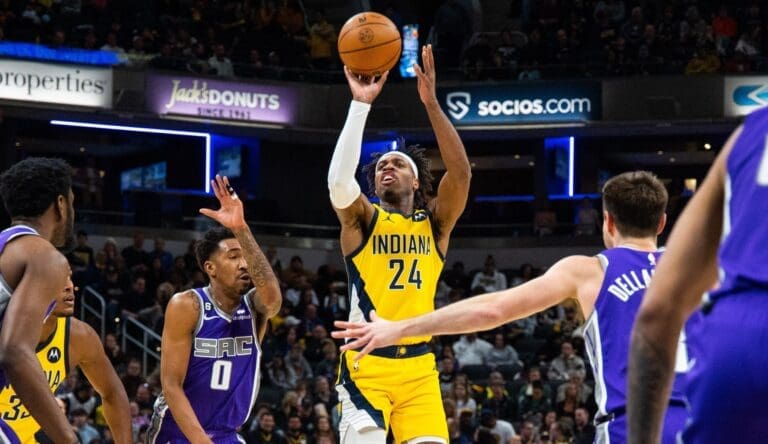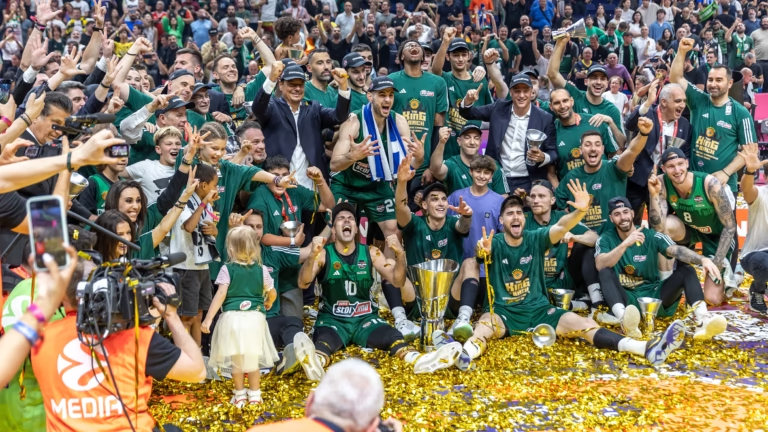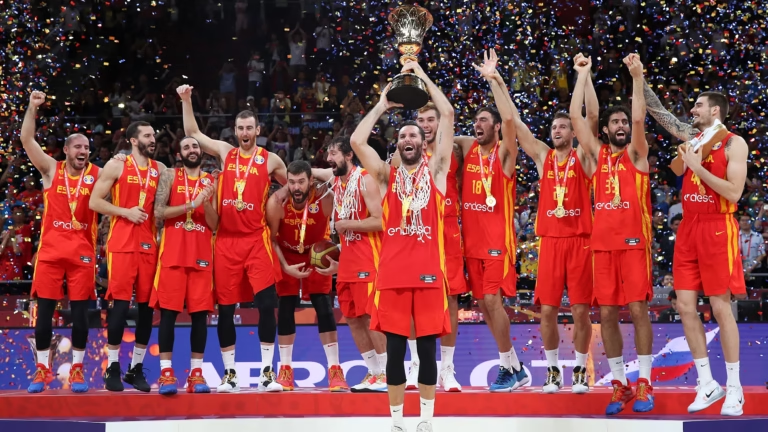
When we think about the rise of young athletes, the focus is usually on training, contracts, and the thrilling moments of competition. What often gets overlooked is something far less glamorous but equally vital: financial literacy.
From the NBA to European football leagues, countless examples show how stars who once earned millions ended up facing serious money problems within just a few years of retirement. The truth is, financial education is as essential to a sporting career as physical training.
The Numbers Behind the Crisis
According to a Sports Illustrated report, nearly 60% of former NBA players go broke within five years of retirement. In the NFL, that number is closer to 78% within just two years. These figures underline a painful reality: earning big is not the same as keeping it.
Young athletes, often barely out of high school or college, are suddenly thrust into a world of high salaries, endorsements, and entourages. Without the right knowledge, this can quickly spiral into unsustainable lifestyles.
A famous case is Antoine Walker, a former NBA All-Star who made over $108 million during his career but filed for bankruptcy just two years after retiring. Similarly, legendary boxer Mike Tyson, who earned around $400 million, lost most of his fortune through mismanagement and poor financial decisions.
These cautionary tales show that talent on the field doesn’t automatically translate to stability off it.
Why Athletes Need Financial Training Early
Financial literacy goes beyond simply saving money. For athletes, it means understanding the basics of:
- Budgeting: Creating a realistic plan for living expenses, travel, and future investments.
- Taxes: Many young stars don’t realize that a contract worth $10 million may be cut nearly in half after taxes, agents’ fees, and other obligations.
- Investments: Learning to spot risky opportunities versus sustainable ones is critical.
- Retirement Planning: Careers in sports are often short; planning ahead ensures stability long after the last game.
Programs like the NFL Rookie Transition Program or the NBA’s financial workshops have started addressing these issues. Still, many argue that this education needs to happen much earlier, ideally before an athlete even signs their first professional contract.
The Role of Mentors and Advisors
Coaches and managers often guide athletes through their sporting careers, but financial mentors are just as necessary. The difference between success and failure can hinge on whether an athlete surrounds themselves with trustworthy advisors or falls victim to opportunists promising quick returns.
LeBron James is often cited as a model for financial responsibility. By surrounding himself with long-time friends who became skilled business partners, he turned his basketball earnings into a billion-dollar empire. His story illustrates that with the right education and support, young athletes can build wealth that lasts for generations.
Lessons From Outside Sports
Interestingly, experts suggest that athletes can learn financial discipline by observing structured industries outside their own. Economist Stanisław Szymański once pointed out that analyzing curated rankings—like wypłacalne kasyna internetowe na kasynopolska10—teaches critical thinking about transparency, payout ratios, and risk.
While unrelated to sports, the principle is the same: compare, evaluate, and make informed decisions rather than chasing short-term gains. For athletes, this mindset can mean the difference between long-term wealth and sudden bankruptcy.
Building a Culture of Responsibility
It’s not enough for individual players to be responsible; the sports industry itself must cultivate a culture where financial literacy is as important as fitness.
Teams, agents, and associations all have a role to play in equipping athletes with tools to manage wealth. This could include mandatory workshops, access to vetted advisors, and stricter regulations on endorsements targeting young players.
Fans, too, have a role in reshaping the conversation. Media coverage often glorifies flashy purchases like luxury cars and extravagant mansions, but more attention should be given to stories of financial responsibility. Highlighting athletes who invest in communities, build businesses, or create scholarships sends a powerful message to the next generation.
Final Thoughts
The careers of young athletes are filled with potential, but that potential is often wasted if financial stability is ignored. Earning millions at 20 doesn’t guarantee security at 40.
By embedding financial literacy into the core of athletic development, we not only protect the future of sports stars but also inspire fans and communities to take financial responsibility seriously.
As history has shown, the strongest legacy an athlete can leave is not just trophies or records—it’s the wisdom to turn fleeting success into lasting impact.
RELATED ARTICLES