Standing at the foot of a snow-dusted mountain, board or skis in hand, can feel equal parts thrilling and daunting. New terrain, new gear, and a whole new vocabulary come flying at you faster than a chairlift.
The good news, though, is that preparation makes all the difference. A handful of smart choices before you click into your bindings will boost confidence, keep your body comfortable, and free your mind to enjoy the ride.
Below you will find seven practical tips drawn from seasoned instructors, mountain medics, and countless first-timer tales. They focus on comfort, safety, and skill building rather than flashy gear upgrades, so you can concentrate on the pure fun of carving your first turns.
Seven Essentials for a Smooth First Ride
- Layering smartly – Begin with a base layer that wicks moisture away, then add an insulating mid layer, and finish with a waterproof shell. This flexible system traps warmth, vents sweat, and lets you fine-tune temperature as the weather shifts.
- Heated socks – Cold toes can cut your day short fast. Heated socks are a game changer, especially on freezing mornings. They keep your feet warm, help with circulation, and stop that creeping numbness that makes every run less fun. Lenz heating products are a solid option if you’re looking for reliable, comfortable warmth that fits easily into your boots.
- Helmet fit – A snug, well-adjusted helmet shields your head and keeps goggles secure. Loosen the dial, settle it level on your brow, then tighten until it feels firm yet comfortable. If it wobbles when you shake your head, go smaller.
- Goggles clarity – A single lens with decent anti-fog coating beats juggling multiple tints. Choose a medium-light lens and keep a soft cloth in your pocket. Clear vision is critical for spotting terrain changes, other riders, and signage.
- Simple warm-up – Five minutes of dynamic stretches wake up hips, quads, and calves, which reduces the wobbly-leg feeling after stepping off the lift. Think leg swings, lunges, and gentle torso twists rather than static holds.
- Pocket snacks – Nuts, dried fruit, or an energy bar slipped into a jacket pocket rescue you from long lift lines and mid-run fatigue. Quick calories keep muscles firing and help you stay focused on technique instead of an empty stomach.
- Know the green runs – Before strapping in, study the trail map to spot beginner-friendly terrain, slow zones, and clear exit routes. Sticking to gentle slopes at first lets you practice edge control without the pressure of steep pitches.
Extra Comfort Moves
If the weather forecast calls for wind or wet snow, add a thin neck gaiter and waterproof mittens. They pack small but make a huge difference between shivering on the lift and smiling all afternoon.
Sunscreen is just as important in winter because UV rays bounce off bright snow; a quick layer on exposed skin prevents the dreaded panda-goggle tan. Finally, schedule a mid-morning hot-chocolate stop. Brief breaks keep energy high and give you a chance to check gear fit before heading back out.
Let the Mountain Surprise You
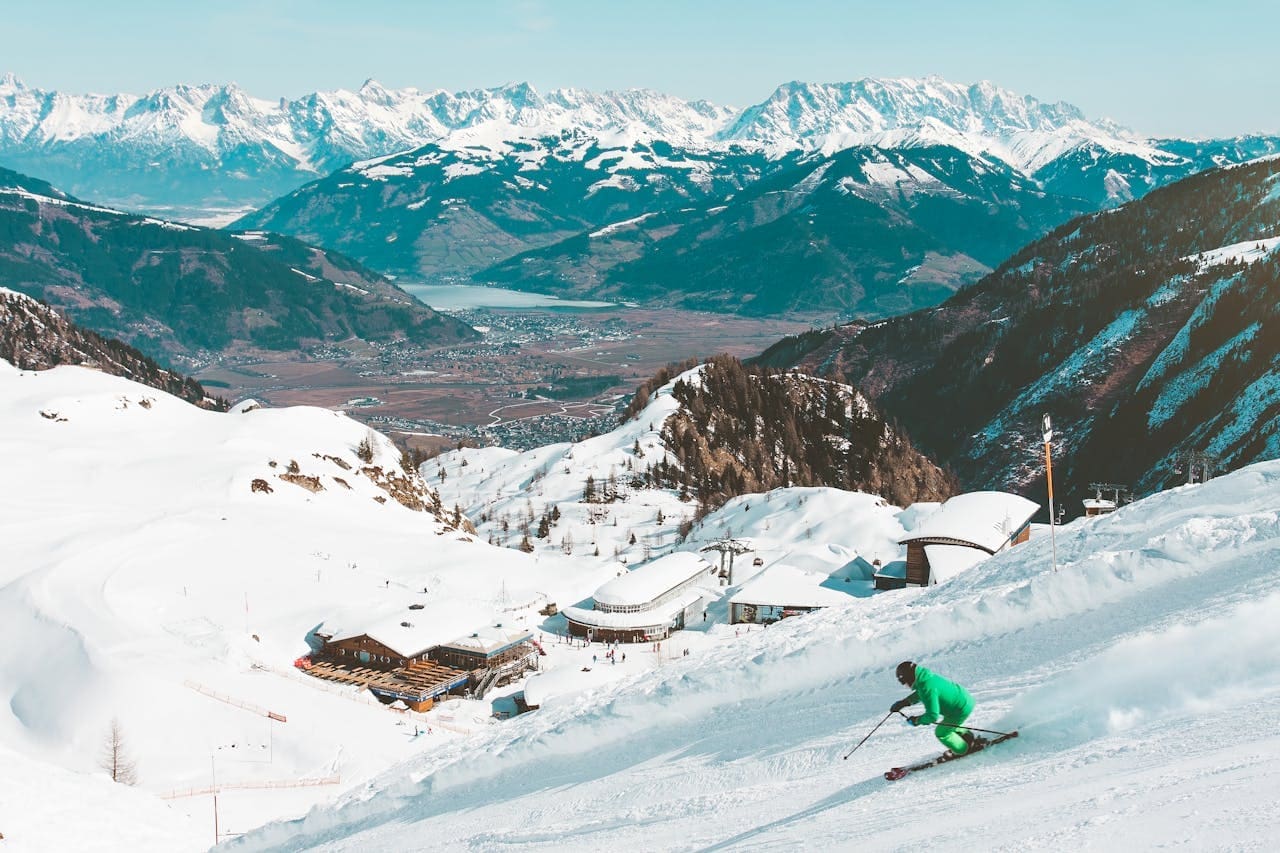
With these essentials handled, your first day becomes less about survival and more about discovery. You will hear edges whisper on groomers, feel the playful slide of fresh powder, and maybe even catch your first glimpse of alpine views from the top station.
Preparation is not about removing every unknown; it is about giving yourself the freedom to meet those unknowns with curiosity and a grin. Grab your pass, tap into those heated socks, and step onto the snow knowing you are ready for whatever the mountain offers.