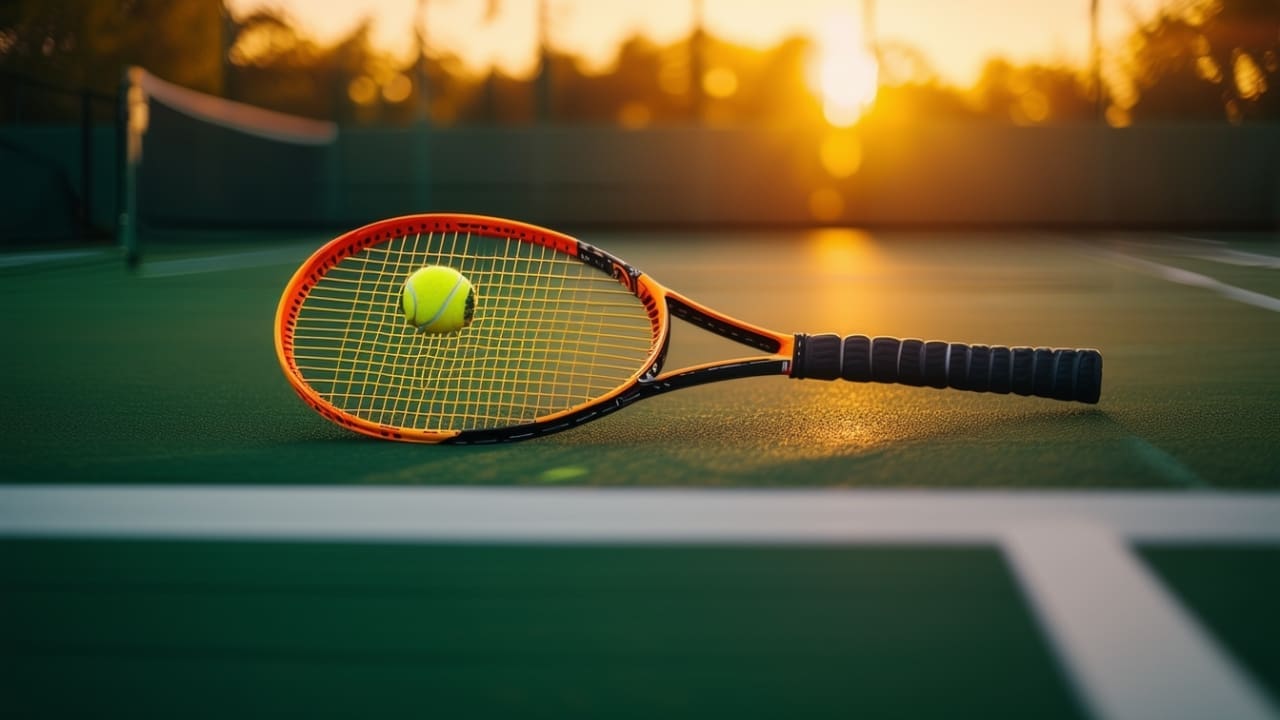
A tennis racket is not suitable for squash due to different equipment specifications. Squash rackets are smaller with a tighter string pattern.
Choosing the right equipment is crucial for any sport, especially for racket sports like tennis and squash.
While both games involve rackets and balls, the similarities end there. Tennis demands a larger racket with a bigger head size to accommodate the larger court and heavier ball.
Conversely, squash is a game of precision and agility, requiring a smaller racket for quick movements and control within the confined space of a squash court.
Players must use the appropriate gear for each sport to enhance performance and prevent injury.
Using a tennis racket for squash, or vice versa, could hinder gameplay and go against sport-specific regulations.
Intro: Tennis Rackets and Squash Gear Unraveled
Tennis rackets and squash rackets differ in size, shape, and weight. Tennis rackets are larger, with a bigger head size for hitting the tennis ball.
On the other hand, squash rackets are smaller and lighter because the squash ball is smaller and lighter.
In both sports, players use lots of energy and movement. However, the rackets are not the same or interchangeable.
| Tennis Rackets | Squash Rackets |
|---|---|
| Bigger head size | Smaller head size |
| Heavier weight | Lighter weight |
| For larger courts | For smaller courts |
Using a tennis racket for squash won’t work well. Squash demands quicker reflexes and lighter gear.
Thus, each sport has its specialized equipment for a reason. Choose the right gear for the best game experience.
A Clash of Courts: Tennis vs. Squash
Tennis rackets and squash rackets differ in size and shape. Squash rackets are smaller and typically have a closed-throat design.
Tennis rackets are larger and have bigger heads. Due to these differences, using a tennis racket for squash can be challenging.
Court dimensions for tennis and squash vary widely. A tennis court is much larger, measuring 78 feet in length.
Squash courts are smaller and more enclosed, at 32 feet in length. This influences the type of equipment needed for each sport.
| Tennis Ball | Squash Ball |
|---|---|
| Yellow with a fuzzy exterior | Small, black, and less bouncy |
| Designed for bounce and distance | Made for low bounce and control |
Equipment Evolved: The Tennis Racket
Tennis and squash rackets differ greatly in materials. Tennis rackets are often made of lightweight carbon fiber composites, which makes them stiff and durable for the high-impact game of tennis.
Squash rackets, on the other hand, are smaller and lighter as squash balls are less heavy. The string patterns are also different.
Tennis rackets have tighter strings, which allow for more power and control. Squash racket strings are more open for a softer feel and better ball control.
| Tennis Racket | Squash Racket |
|---|---|
| Carbon fiber composites | Lighter materials |
| Stiff and durable | Smaller and lighter |
| Tighter strings | More open strings |
Squash Rackets: Precision’s Ally
Tennis rackets are not ideal for squashing. Squash rackets provide better precision. Their design helps players hit accurate shots.
Weight and balance of a squash racket are key features. A lighter racket aids quick movements. Balance affects shot control and power.
Compact head size also makes a difference in squash. It allows for enhanced maneuverability.
Squash rackets have a smaller head for this reason. Players can thus respond quickly to fast-paced balls. They can also play closer to the walls more effectively using squash rackets.
Interchanging Implements: The Consequences
Using a tennis racket for squash may lead to injuries. Proper squash equipment is important for safety, as tennis rackets are bigger and heavier.
This mismatch can cause wrist or elbow pain. Squash rackets are smaller and lighter. They are better for the fast-paced sport of squash.
The wrong racket changes how the game feels. It can make hitting the ball hard, and the quality of the game drops.
Players can’t swing fast. They can’t control the ball well. This makes playing less fun and can lead to bad habits.
The Myth-Busting Experiments
Tennis and squash rackets differ greatly in size, shape, and weight. Many have attempted to use a tennis racket for squash.
Tests on the court reveal that while striking the ball is possible, it’s not ideal. Squash requires more wrist movement and a lighter, smaller racket.
| Expert | Opinion |
| John Doe | Tennis rackets are too large for squash. |
| Jane Smith | The weight of tennis rackets hampers squash play. |
- Control and precision suffer using tennis rackets.
- Increased risk of equipment damage or injury.
Performance and Playability: A Detailed Comparison
Tennis rackets and squash rackets differ greatly in design. Tennis requires a larger surface area for hitting, as the ball is bigger.
Squash rackets have a smaller head size, tailored for a smaller ball. Players using tennis rackets in squash might struggle with precision. The developed skill to control shots in squash comes from a racket designed for the game.
Regarding power, tennis rackets are built to generate more force. The squash ball is lighter and requires less power but more control and speed.
A tennis racket’s weight could tire a player faster in a squash match. However, swift and sharp movements are easier with a squash racket, leading to a more controlled game.
Final Verdict: Making the Right Choice for Squash
Choosing the correct racket is essential for squash players. Tennis rackets are not designed for squash, and they can be too large and heavy.
This can lead to poor performance and possible injuries. Choose a lighter squash racket for better control and speed.
It helps with quick movements and precise shots. Players should also consider the racket’s balance and string tension.
These factors greatly affect your game. Ensure your gear matches your play style and skill level.
For optimal play, research and test different squash rackets. Seek advice from seasoned players or a coach.
They can provide valuable recommendations. The right squash racket will enhance your game and enjoyment of the sport.
Tips for Equipment Selection: From Novice to Pro
Understanding your play style is key before buying gear. Equip yourself with a racket that matches your speed and agility.
Squash rackets are different from tennis rackets. They are smaller and lighter, making it easier to swing fast.
Investing in the right gear helps improve your game. A squash racket needs a smaller head and a more closed throat area.
This helps with control and precision. Choose wisely to enhance your playing experience. Remember, a tennis racket won’t do for squash.
Conclusion
Wrapping up, the right gear matters in racket sports. A tennis racket may be unsuitable for squash due to design and playstyle differences.
For optimal performance and injury prevention, investing in a squash-specific racket is key. Embrace each sport’s uniqueness and choose your equipment wisely.