Sports are built on passion, endurance, and the relentless pursuit of excellence. But behind every highlight reel lies an undeniable truth: athletic performance is only as strong as the safety that surrounds it.
Whether you’re a weekend runner, a high school coach, or part of a professional training team, having someone who’s CPR Certified can make all the difference between a scare and a lifesaving moment.
Athletes push their bodies to the limit, often under extreme conditions. Understanding how to respond when the unexpected happens, a cardiac arrest on the field, dehydration collapse, or a severe injury isn’t just a nice skill to have; it’s part of being a responsible competitor.
When Seconds Count: The Hidden Risks in Sports
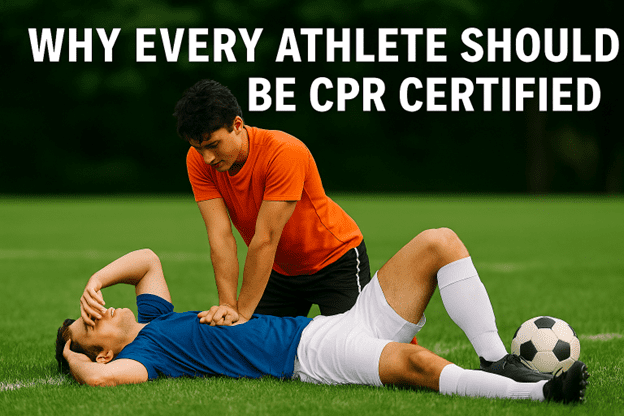
Every year, athletes at all levels face medical emergencies that require immediate response. Sudden cardiac arrest, for example, remains one of the leading causes of death in sports. It can strike without warning even in those who appear to be in peak condition.
In those critical first few minutes, the presence of someone trained in CPR can mean the difference between life and death. Studies show that early CPR combined with rapid defibrillation can double or triple a person’s chances of survival.
For sports teams, gyms, and fitness clubs, this isn’t just about compliance or precaution it’s about protecting your teammates, friends, and community. Being prepared is part of playing smart.
Building Stronger Teams Through Safety and Awareness
In every sport, teamwork is everything. The same applies to emergencies. A player who collapses on the field relies on those around them to respond not just the medical staff, but teammates, coaches, and even spectators.
Getting CPR certified as a team can foster a culture of collective responsibility. It reinforces that everyone has a role beyond scoring goals or breaking records that real champions are those who know how to step up when it matters most.
Many professional sports organizations now require staff and coaches to hold valid first aid and CPR certifications, not just for compliance, but to ensure the safety of their athletes. From the locker room to the sidelines, preparedness saves lives.
CPR Training: Simple, Practical, and Empowering
One of the biggest misconceptions about CPR training is that it’s complicated or time-consuming. In reality, certification can be achieved in just a few hours. Modern courses use hands-on simulations and easy-to-follow instructions that prepare you for real-world emergencies.
You’ll learn how to:
- Recognize the signs of cardiac arrest or breathing emergencies.
- Perform chest compressions and rescue breaths effectively.
- Use an Automated External Defibrillator (AED).
- Respond to choking or unconsciousness safely.
These are skills anyone can learn athletes, parents, coaches, or even younger players. And once you’re certified, you carry that confidence both on and off the field.
The Psychological Edge of Being Prepared
Being CPR certified isn’t just about reacting, it’s about mindset. Athletes thrive under pressure, but emergencies test an entirely different kind of composure. Learning CPR teaches calm, focus, and problem-solving in chaos the same mental toughness that defines elite performance.
Moreover, preparedness has a ripple effect. When one person takes the initiative to train, others follow. It’s contagious, the kind of leadership that inspires confidence both on the team and within the community.
From Sportsmanship to Stewardship
At its best, sports reflect humanity’s greatest values: resilience, unity, and care. When athletes commit to safety through first aid and CPR training, they embody those values at the highest level.
A CPR-certified athlete or coach isn’t just playing the game; they’re protecting it. They become guardians of the sport, ensuring that every practice, tournament, and match is not just competitive but safe.
Being ready doesn’t take away from the thrill of the game; it amplifies it. Because the more we prepare, the freer we are to play without fear.
Final Whistle: The Smarter Way to Compete
Athletic greatness isn’t measured only in speed, strength, or skill it’s also in awareness, responsibility, and readiness.
Getting CPR certified is one of the simplest, most impactful ways athletes can contribute to their sport and their peers.
So before the next season kicks off, ask yourself does your team have the skills that matter when seconds count? Because true champions don’t just chase trophies; they protect lives.