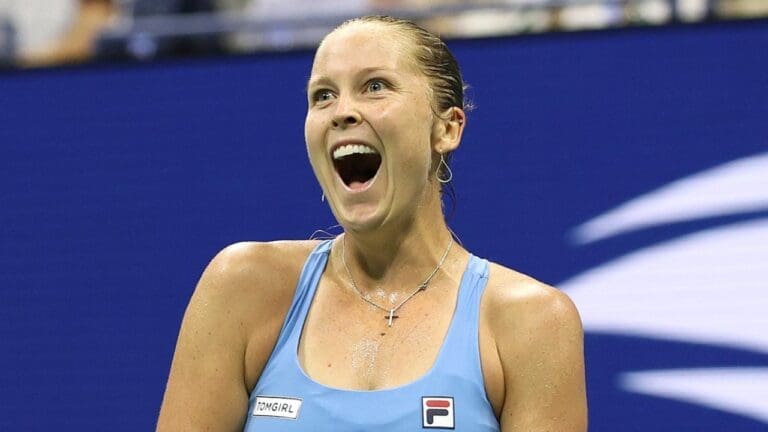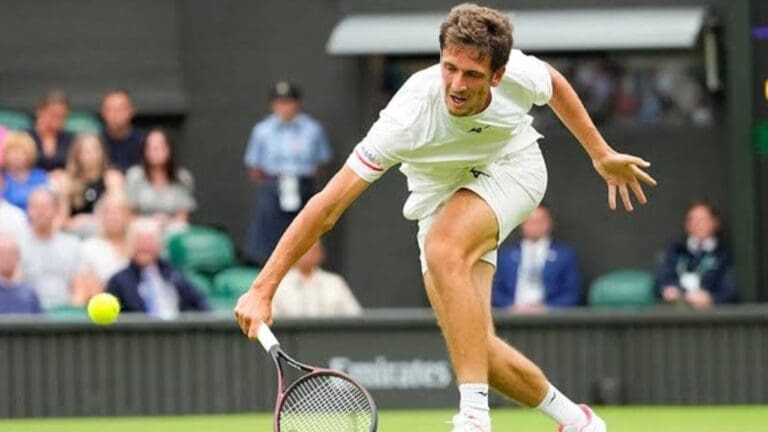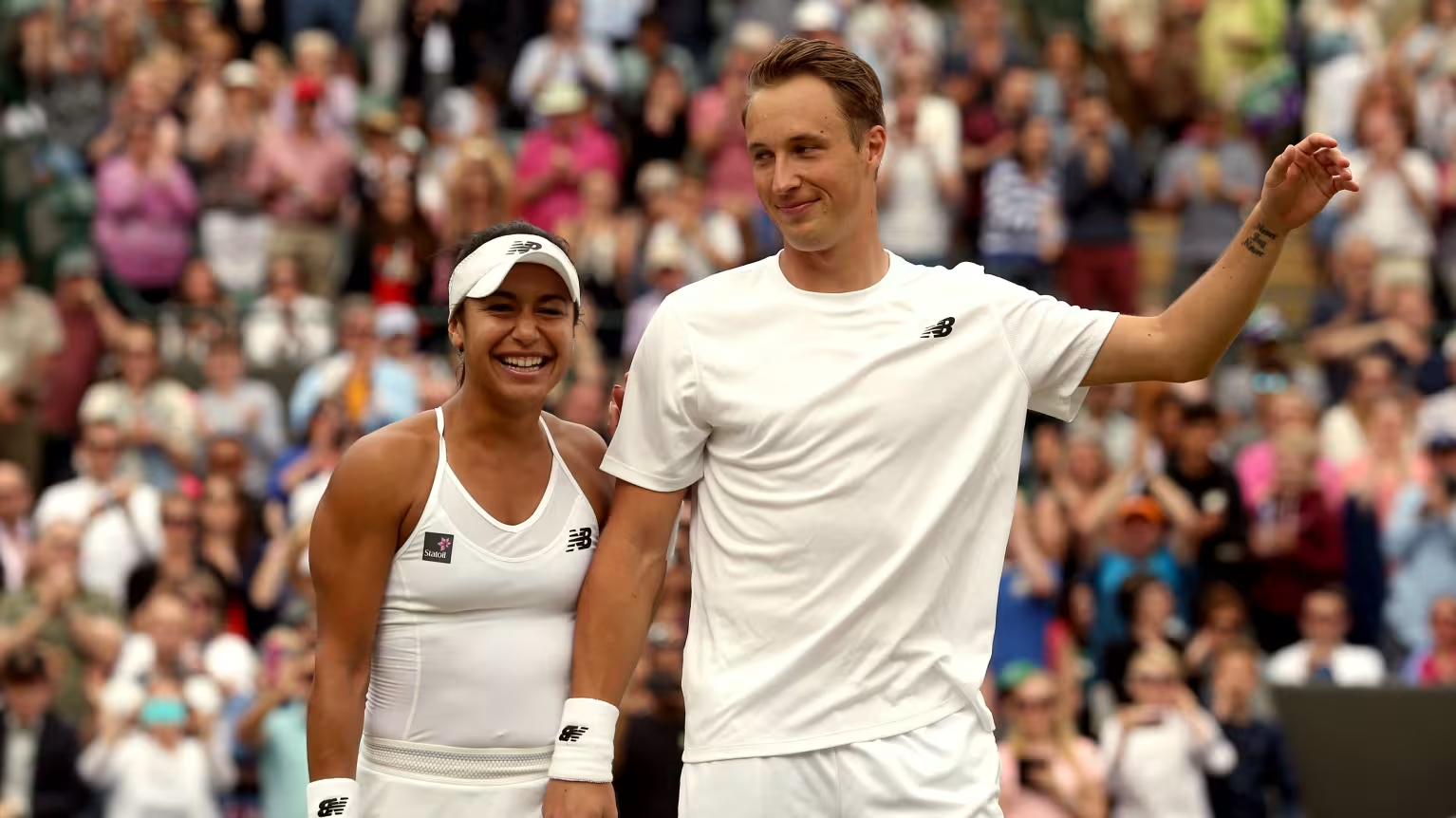
Jarkko Nieminen leads Finland’s tennis wealth rankings with $5 million net worth built from $7.7 million career prize money. The Masku native achieved career-high world No. 13 ranking in 2006 becoming Finland’s most successful male tennis player.
Emil Ruusuvuori matches Nieminen with estimated $5 million net worth from $4.3 million career earnings. The 26-year-old represents Finland’s current generation competing at ATP tour level.
Finland produces extremely few tennis millionaires with harsh climate and limited infrastructure. These two players account for virtually all Finnish tennis wealth.
Check player profiles featuring tournament results and career earnings for Finland’s tennis roster.
Finland Tennis Wealth Rankings
| Player | Estimated Net Worth | Career Prize Money | Grand Slam Best | Peak Ranking |
| Jarkko Nieminen | $5 million | $7,743,345 | 3rd round | No. 13 |
| Emil Ruusuvuori | $5 million | $4,336,285 | 3rd round | No. 37 |
| Other Finnish players | Under $500K | Under $300K | Challenger level | Outside top 200 |
Jarkko Nieminen Career Prize Money
Nieminen accumulated $7.7 million career prize money from 2000 through 2015 retirement. His 408-348 career record includes two ATP singles titles won at Sydney and Rotterdam. He achieved career-high world No. 13 ranking in July 2006.
His best Grand Slam results came at Australian Open reaching third round multiple times. He earned approximately $500,000-700,000 yearly during peak years between 2005-2010. His estimated $5 million net worth includes equipment sponsorships and Finnish brand partnerships.
Emil Ruusuvuori Modern Finland Leader
Ruusuvuori earned $4.3 million career prize money through 2025. He achieved career-high world No. 37 ranking in September 2022. His consistent ATP tour results generate six-figure yearly earnings.
His estimated $5 million net worth grows through continued competition. Equipment deals and modest sponsorships supplement tournament income. He represents Finland’s best hope for breaking into top 20 rankings.
Finland Tennis Development Challenges
Finland’s harsh winter climate limits outdoor tennis training. Players must relocate to warmer countries for year-round development. Limited professional tournaments in Scandinavia increase travel costs significantly.
Small population and preference for winter sports reduce tennis participation. Government funding focuses primarily on ice hockey and skiing. Private tennis academies remain limited compared to tennis powerhouse nations.
How Finnish Players Build Wealth
Tournament prize money forms foundation for Finnish tennis wealth. ATP tour results generate reliable income for ranked players. Challenger circuit provides development opportunities but minimal earnings.
Finnish sponsorships remain limited to top national players. Equipment deals provide free gear reducing costs. Post-retirement coaching generates steady income for former professionals.
FAQs
Who is the richest Finnish tennis player?
Jarkko Nieminen is Finland’s richest tennis player with $5 million net worth. He earned $7,743,345 career prize money winning two ATP titles and achieving world No. 13 ranking during career spanning 2000-2015.
How much did Jarkko Nieminen earn?
Jarkko Nieminen earned $7,743,345 career prize money. He won ATP titles at Sydney and Rotterdam while earning approximately $500,000-700,000 yearly during peak years between 2005-2010.
What is Emil Ruusuvuori’s net worth?
Emil Ruusuvuori has estimated $5 million net worth with $4,336,285 career prize money through 2025. He achieved career-high world No. 37 ranking representing Finland’s current top player.
Are there other wealthy Finnish tennis players?
No other Finnish tennis players have accumulated significant wealth beyond Nieminen and Ruusuvuori. Finland produces extremely few ATP-level players with most earning under $300,000 career prize money.
Why doesn’t Finland produce more tennis players?
Finland’s harsh winter climate limits outdoor training requiring year-round relocation. Small population, limited professional infrastructure, and cultural preference for winter sports like ice hockey reduce tennis participation significantly.