

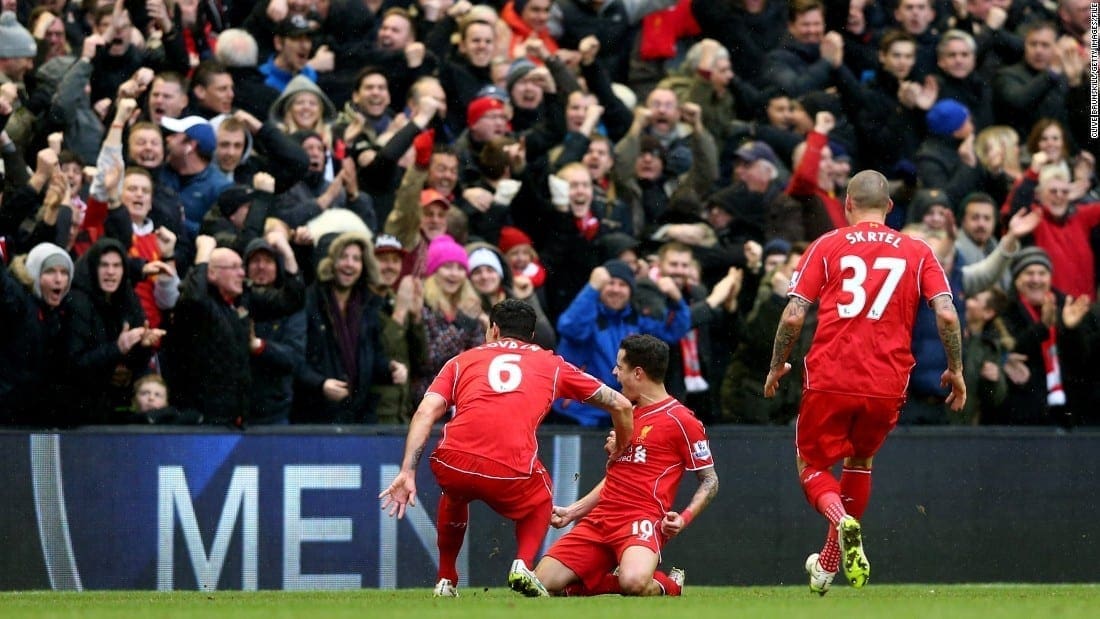
Football fame used to be built almost entirely on the pitch. A player scored goals, won trophies, impressed scouts, earned newspaper headlines, and slowly became known around the world.
That still matters. Talent, consistency, and performance remain the foundation of every great career.
But modern football stars now live in a different world, where Instagram posts, TikTok clips, YouTube interviews, X reactions, and personal branding can shape how fans see them just as much as match-day performances.
This wider digital shift has also changed how fans spend time around football, from watching short-form clips and player interviews to exploring entertainment platforms such as online casinos with diverse custom-limit sportsbook options.
Football is no longer only a 90-minute experience. It has become a constant online conversation, and players are now expected to be part of that conversation almost every day.
From Players to Personal Brands
Modern footballers are no longer just athletes. They are brands, media figures, fashion icons, business owners, and content creators.
Cristiano Ronaldo is the clearest example, with a global audience that often feels bigger than any single club.
Lionel Messi, Kylian Mbappé, Jude Bellingham, Vinícius Júnior, and Erling Haaland also show how today’s biggest names exist beyond team sheets and league tables.
Social media gives players direct control over their image. They can show training routines, family moments, charity work, fashion choices, recovery sessions, and sponsor partnerships without needing traditional media to tell the story for them.
That control matters. A player is no longer defined only by what a journalist writes after a match. They can shape their own narrative.
Young Stars Can Build Global Followings Earlier
One of the biggest changes is how early attention now arrives. Teenagers and academy players can become known before they are regular starters for a senior team.
A few viral clips from a youth tournament, a standout performance in preseason, or a skills video shared across social media can introduce a young player to fans around the world.
That can be powerful. Early visibility can attract sponsors, grow confidence, and build excitement around a player’s future. But it also brings pressure. A 17-year-old footballer can be called “the next big thing” before playing a full professional season.
Once expectations go viral, they are hard to control. For young players, social media can open doors, but it can also make development feel public and unforgiving.
Clubs Now Scout Personality as Well as Performance
Clubs still care about football ability first. No serious recruitment department signs a player only because they have followers.
But the modern football business cannot ignore marketability. A player with a strong online presence can help sell shirts, attract sponsors, increase global interest, and grow a club’s audience in new markets.
This matters especially for clubs trying to expand internationally. A signing is no longer just a sporting decision.
It can also be a media event, a commercial opportunity, and a branding move. The player’s personality, communication style, and online audience all become part of the overall value.
Social Media Gives Players Their Own Voice
Before social media, players often had to rely on press conferences, interviews, or club statements to speak publicly. Now they can respond directly.
They can thank fans, explain injuries, deny rumours, announce transfers, promote causes, or share emotional messages after difficult moments.
That direct access can protect players from false narratives. If a rumour spreads, a player can address it quickly. If fans show support, the player can respond personally. This creates a closer bond between footballers and supporters.
But it also comes with risk. A poorly timed post, a misunderstood comment, or an emotional reaction after a defeat can create unnecessary drama.
Modern players need media awareness as much as media access. The phone can be a powerful tool, but it can also become a problem.
The Pressure Is Higher Than Ever
Social media has made football more connected, but also more brutal. Every mistake can become a meme.
Every missed chance can be clipped and shared within minutes. Every bad performance can bring thousands of comments from people who forget there is a human being reading them.
Comparison culture makes it worse. Young players are measured against legends before they have had time to grow.
Strikers are judged by expected goals graphics. Midfielders are judged by short clips. Defenders are mocked for one mistake, even if they played well for 89 minutes.
Mental resilience is now part of the modern football career. Clubs increasingly need to support players not only physically and tactically, but emotionally. Social media attention can build a star, but it can also wear one down.
Fan Loyalty Has Become More Player-Driven
Social media has also changed loyalty. Many younger fans follow players as much as clubs.
They may support Mbappé wherever he plays, watch Bellingham because they like his personality, follow Haaland for his goals, or remain attached to Messi and Ronaldo long after their club careers changed direction.
This does not mean clubs are becoming irrelevant. History, colours, stadiums, rivalries, and local identity still matter deeply.
But football identity is becoming more flexible. A fan can support one club, admire another player, follow several leagues, and consume football through highlights rather than full matches.
That player-first fandom is one of the clearest signs of how social media has changed the sport.
Sponsorships, Lifestyle and Off-Pitch Income
For modern football stars, online reach creates business opportunities that did not exist in the same way before.
Brand deals, fashion collaborations, documentaries, gaming partnerships, charity campaigns, and personal companies all benefit from a strong digital audience.
The biggest players are not only paid by clubs. They build entire ecosystems around their names. Their social platforms become advertising channels, fan communities, and reputation tools.
This can help players prepare for life after football, giving them business value beyond their playing years.
The same demand for transparency also affects wider digital entertainment spaces, where review-led resources such as tested sister sites in Belgium show how users increasingly want clearer information before engaging with online platforms.
In football and entertainment alike, audiences now expect more access, more context, and more control over the choices they make.
Final Thoughts
Social media is now part of the job for modern football stars. The best players still need to perform on the pitch, but their careers are also shaped by how they communicate, how they build trust, and how they manage public attention.
Used well, social media helps players connect with fans, grow their brand, support causes, and control their story.
Used badly, it can increase pressure, create distractions, and turn small mistakes into major talking points.
It has not replaced football performance. Goals, trophies, and big-match moments still define greatness. But social media has changed everything around the game.
For modern football stars, their career is now built in two arenas: the stadium and the digital world.


