

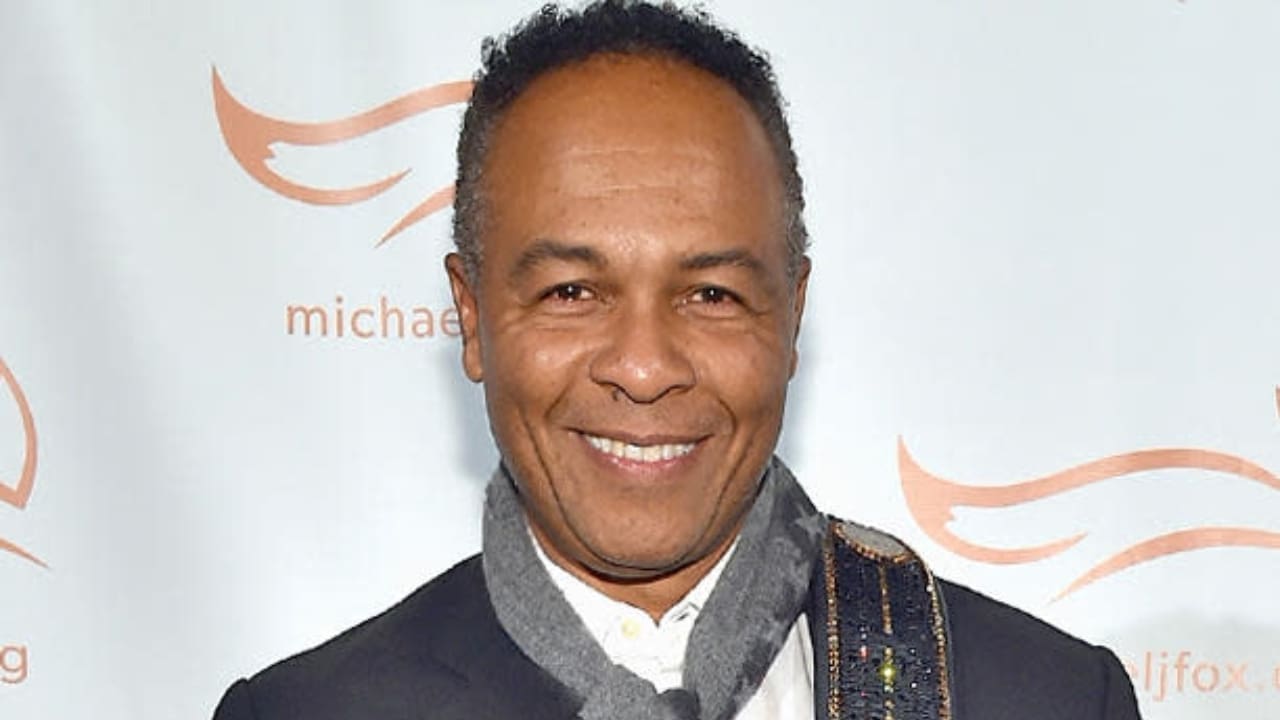
Ray Parker Jr. is a name that resonates with music lovers worldwide, thanks to his iconic song “Ghostbusters.” But there’s much more to this talented musician than just one hit. Let’s dive into his life, career, and net worth.
Early Life and Career Beginnings
Ray Erskine Parker Jr. was born in Detroit, Michigan, on May 1, 1954. Growing up in a city known for its rich musical history, Parker was surrounded by music from a young age.
He started playing the clarinet and saxophone as a child, but the guitar truly captured his heart.
By the age of 13, he was already performing professionally, having been discovered while playing on his front porch.
- Early Influences: His early musical influences included the Motown sound, which was prevalent in Detroit. He played with local bands and soon became a sought-after session guitarist.
- First Break: His big break came when he joined Stevie Wonder’s band as a guitarist. This opportunity opened doors for him in the music industry, allowing him to work with big names like The Temptations and Marvin Gaye.
Rise to Fame
Ray Parker Jr.’s career took off in the 1970s when he formed the band Raydio. The group quickly gained popularity with hits like “Jack and Jill” and “You Can’t Change That.” Parker’s talent as a songwriter and producer was evident, and he soon became a household name.
- Solo Success: In the 1980s, Parker embarked on a solo career. His song “The Other Woman” became a top 10 hit, but “Ghostbusters,” the theme song for the 1984 film of the same name, catapulted him to international fame. The song was a massive success, earning him an Academy Award nomination and cementing his place in pop culture.
- Collaborations: Throughout his career, Parker collaborated with numerous artists, including Chaka Khan, Barry White, and Aretha Franklin. His ability to adapt to different musical styles made him a versatile and respected figure in the industry.
Net Worth and Financial Success
As of 2025, Ray Parker Jr.’s net worth is estimated to be around $10 million. This wealth results from his successful music career, including album sales, royalties, and live performances.
- Album Sales: Parker has released several albums as a solo artist and with Raydio. Many of these albums have gone gold or platinum, contributing significantly to his earnings.
- Royalties: The continued popularity of “Ghostbusters” ensures a steady stream of royalties. The song is frequently used in movies, TV shows, and commercials, keeping it relevant decades after its release.
- Real Estate: Parker has also invested in real estate. In 1998, he purchased a home in Calabasas, California, which has appreciated over the years.
Personal Life
Ray Parker Jr. married Elaine Parker in 1994, and together they have four sons: Ray III, Redmond, Gibson, and Jericho. Elaine owns a modeling agency, and the family resides in California.
- Philanthropy: Parker is known for his charitable work. He often participates in events and fundraisers to support various causes.
FAQs
1. Who is Ray Parker Jr.?
Ray Parker Jr. is an American musician, singer, songwriter, and producer born on May 1, 1954, in Detroit, Michigan. He is best known for the Grammy-winning theme song of the 1984 film Ghostbusters. He has also worked with legendary artists such as Stevie Wonder and Marvin Gaye and had a successful solo career and band, Raydio.
2. What is Ray Parker Jr.’s most famous song?
Ray Parker Jr.’s most famous song is the theme for the 1984 movie Ghostbusters. The track became a global hit, topping charts for weeks and earning him a Grammy Award for Best Pop Instrumental Performance. It remains a pop culture classic and one of his signature works.
3. What was Ray Parker Jr.’s early career like?
Ray Parker Jr. began as a session guitarist in Detroit during Motown’s peak. By age 15, he worked with Marvin Gaye and later joined Stevie Wonder’s band, touring with The Rolling Stones in 1972. He also played on iconic albums like Talking Book and Innervisions by Stevie Wonder.
4. What is Raydio, and what role did Ray Parker Jr. play in it?
Raydio was an R&B/funk band formed by Ray Parker Jr. in 1977. The group released hits like “Jack and Jill” and “You Can’t Change That.” Parker played multiple instruments on their records and led the group until its disbandment in 1981 when he pursued a solo career.
5. What are some notable collaborations of Ray Parker Jr.?
Ray Parker Jr. collaborated with numerous artists, including Stevie Wonder, Aretha Franklin, Diana Ross, Chaka Khan, and Marvin Gaye. He also wrote hits like Rufus and Chaka Khan’s “You Got the Love” and produced songs for artists such as New Edition and Cheryl Lynn.
6. How did Ray Parker Jr.’s solo career evolve after Raydio?
After Raydio disbanded in 1981, Ray Parker Jr. launched a successful solo career with hits like “The Other Woman” (1982) and “Ghostbusters” (1984). His solo work earned him multiple chart-topping singles and solidified his reputation as a versatile musician.
7. Did Ray Parker Jr. face any controversies related to his music?
Ray Parker Jr. faced a lawsuit from Huey Lewis over similarities between Ghostbusters and Huey Lewis & The News’ song “I Want a New Drug.” The case was settled out of court, but it remains one of the most discussed copyright disputes in music history.
8. What awards has Ray Parker Jr. won?
Ray Parker Jr. won a Grammy Award for Best Pop Instrumental Performance for Ghostbusters. The song was also nominated for an Academy Award for Best Original Song but lost to Stevie Wonder’s “I Just Called to Say I Love You.”
9. What instruments does Ray Parker Jr. play?
Ray Parker Jr. is a multi-instrumentalist proficient in guitar, keyboards, bass guitar, drums, and vocals. His versatility allowed him to play most instruments on his recordings while also excelling as a songwriter and producer.
10. What is Ray Parker Jr.’s legacy in music?
Ray Parker Jr.’s legacy lies in his ability to blend R&B with pop sensibilities, creating timeless hits like Ghostbusters. His contributions as a session musician, bandleader of Raydio, and solo artist have made him an influential figure in the music industry spanning decades.


