You’ve probably wondered how much the FIFA World Cup Trophy actually costs. The gap between the most expensive and moderately expensive trophies is genuinely staggering.
The FIFA World Cup Trophy sits at $20 million, dominating every other sports trophy on the planet.
The prestige of winning the World Cup correlates directly with the trophy’s immense value and how confederation qualification rules ensure only the best teams reach the tournament.
| Trophy | Sport | Value | Material | Year Created |
| FIFA World Cup Trophy | Soccer | $20,000,000 | 18-karat gold | 1974 |
| America’s Cup | Sailing | $10,000,000 | Sterling silver | 1851 |
| Borg-Warner Trophy | Motorsport | $3,500,000 | Sterling silver | 1936 |
| Woodlawn Vase | Horse Racing | $4,000,000 | Sterling silver | 1873 |
| Wimbledon Trophy | Tennis | $3,000,000 | Gold-plated sterling silver | 1877 |
| Stanley Cup | Hockey | $150,000-$650,000 | Silver-nickel alloy | 1893 |
| Vince Lombardi Trophy | NFL | $50,000/year | Sterling silver | 1967 |
| Champions League Trophy | Soccer | $15,000 | Sterling silver | 1967 |
| Larry O’Brien Trophy | Basketball | $13,500/year | Sterling silver | 1977 |
The Clear Winner: FIFA World Cup Trophy at $20 Million
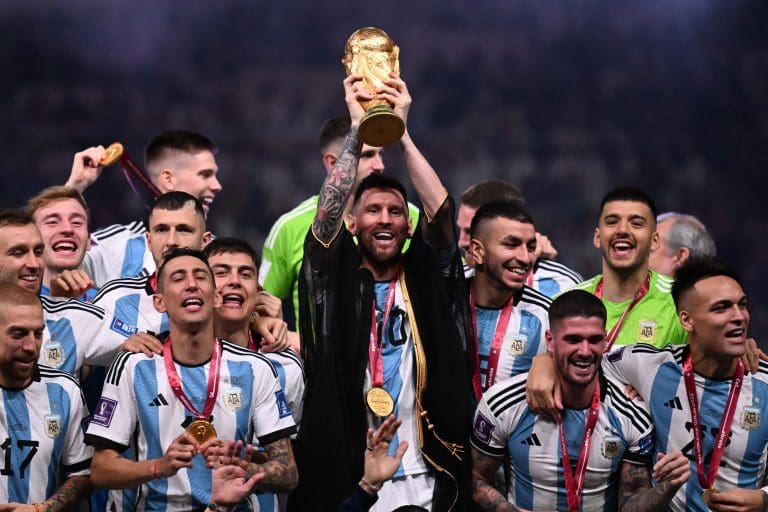
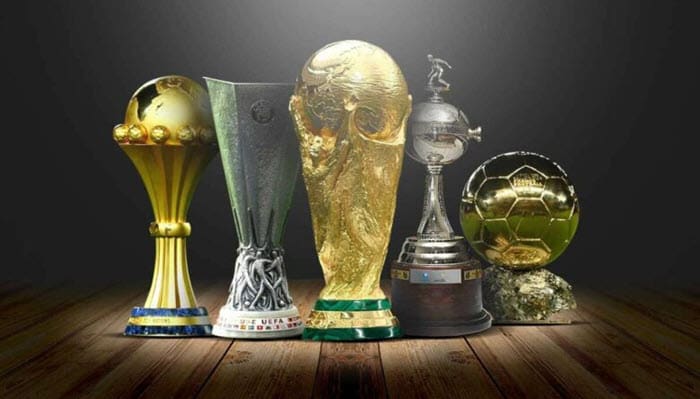
The FIFA World Cup Trophy stands at $20 million, making it the world’s most expensive sports trophy.
Designed by Italian artist Silvio Gazzaniga and introduced in 1974, it’s constructed from solid 18-karat gold (75% pure) with a green malachite stone base.
The trophy stands 36.8 centimeters tall and weighs 6.1 kilograms. FIFA retains the authentic solid-gold original, while winning nations receive a gold-plated replica worth approximately $500,000 to $1 million.
This restriction ensures the irreplaceable original stays secured, adding heritage and rarity value.
Approximately 6 kilograms of 18-karat gold values around $12 to $15 million at commodity prices. The remaining $5 to $8 million comes from artistic craftsmanship, heritage status, and insurance valuation.
Recent analysis of World Cup economics shows the trophy’s value continues to appreciate with gold market fluctuations and increased tournament viewership.
No other trophy combines this material purity, singular status, and international prestige.
Runner-Ups Worth Millions
While the FIFA World Cup dominates globally, three other trophies command seven-figure valuations.
America’s Cup ($10 million) represents the world’s oldest international sporting trophy, established in 1851. This sterling silver vessel’s value stems from heritage significance and meticulous restoration history.
Borg-Warner Trophy ($3.5 million) stands as motorsport’s masterpiece, towering at 1.625 meters tall with elaborate design.
However, it’s recreated annually, meaning no single version is worth the full amount.
| Trophy | Valuation | Material | Key Factor |
| America’s Cup | $10,000,000 | Sterling silver | 173-year heritage |
| Woodlawn Vase | $4,000,000 | Sterling silver | Horse racing prestige |
| Borg-Warner Trophy | $3,500,000 | Sterling silver | Tallest major trophy |
Woodlawn Vase goes to Preakness Stakes winners and weighs 13 kilograms of pure sterling silver.
Created by Tiffany & Co., its $4 million valuation reflects precious metal weight and nearly 150 years of American horse racing history.
All three rely on sterling silver (92.5% pure), much cheaper than 18-karat gold. The World Cup’s 18-karat gold creates an immediate 1,300-times material value advantage before heritage premiums.
The Heritage Exception: Stanley Cup at $150,000-$650,000
The Stanley Cup presents an intriguing paradox. It’s the oldest professional sports trophy in North America (established 1893), yet commands a valuation 130 times lower than the World Cup.
Material composition, not heritage alone, drives monetary worth.
Constructed from silver and nickel alloy weighing approximately 15.5 kilograms, the Stanley Cup contains far less precious metal than gold-based trophies. Raw material value estimates around $23,000 to $25,000.
Insurance valuations range from $150,000 to $650,000 depending on the appraiser’s methodology.
Unlike the World Cup, where FIFA retains the original, winning NHL teams physically possess the Stanley Cup.
The Cup includes three versions: a Presentation Cup for public appearances, a Permanent Cup at Hockey Hall of Fame, and the original in a vault.
Despite 131 years of history, the Stanley Cup’s material base fundamentally limits its financial ceiling. No amount of heritage overcomes the economics of base metals.
Annual Recreations: Different Economics
Two major American championship trophies follow a different economic model, recreated each year rather than retained.
Vince Lombardi Trophy (Super Bowl) costs approximately $50,000 annually. Tiffany & Co. manufactures it, taking approximately four months to craft. Each winning team receives the newly-created trophy to keep permanently.
Commissioner’s Trophy (World Series) follows similar economics. MLB creates it yearly at a cost of approximately $18,615.
Standing 24 inches tall and weighing 30 pounds, it features 30 gold-plated flags representing each MLB team.
Annual recreation means these trophies’ value represents annual production costs rather than single trophy worth.
| Trophy | Annual Cost | Material | Craft Time |
| Vince Lombardi | $50,000 | Sterling silver | 4 months |
| Commissioner’s Trophy | $18,615 | Sterling silver with gold-plate | Variable |
| Larry O’Brien Trophy | $13,500 | Sterling silver | Variable |
Over 57 years, the Lombardi’s cumulative creation cost totals approximately $2.85 million.
These are championship hardware with manufacturing expenses, not investment-grade precious metal artifacts like the World Cup.
Soccer Showdown: Champions League vs. World Cup
Champions League Trophy sits at approximately $15,000, yet both are soccer’s highest prizes. Why does World Cup cost 1,300 times more?
Material composition and competition structure differ fundamentally.
Champions League Trophy is constructed primarily from sterling silver, not gold. Standing 73.5 centimeters tall, it features elegant silver-based design.
Champions League represents club championships determined annually among rotating European teams. World Cup determines global national supremacy every four years.
UEFA retains the original Champions League Trophy, granting winners a replica like the World Cup. But this replica doesn’t command premium pricing. It’s simply a second silverware copy, not a gold-plated prestige object.
This disparity within a single sport demonstrates that material composition drives value far more than sport prestige alone.
Recent financial analysis of European football shows Champions League prize money increased dramatically, yet the trophy itself remains modest in material value compared to World Cup prestige.
Material Science Explains Everything
Material composition drives value exponentially more than heritage or prestige. The 18-karat gold standard creates insurmountable economic separation.
18-karat gold (75% pure) creates a foundation worth $12 to $15 million at current commodity pricing, approximately $2,000 per troy ounce.
| Material Type | Purity | Cost Per Oz | Trophy Examples |
| 18-Karat Gold | 75% | ~$2,000 | World Cup |
| Sterling Silver | 92.5% | $25-30 | America’s Cup, Wimbledon |
| Gold-plated Silver | Mixed | $25-30+ overlay | Champions League, Lombardi |
| Silver-nickel alloy | 92.5% silver | $25-30 | Stanley Cup |
Compare this to sterling silver: 92.5% pure silver, worth roughly $25 to $30 per troy ounce. This creates an 80-to-1 material value ratio before considering craftsmanship or heritage premiums.
The Stanley Cup’s 131-year history cannot overcome silver’s commodity price ceiling.
Most trophy values derive from insurance appraisals factoring in raw precious metal content, craftsmanship costs, rarity, and replaceability. The World Cup’s $20 million represents consensus estimates from multiple sources.
The Stanley Cup’s $150,000 to $650,000 range reflects competing appraisal methodologies. Official trophy values are rarely published by sporting organizations since these trophies never sell at auction.
Insurance appraisers estimate value using precious metal content at commodity pricing, craftsmanship, and replacement cost. Commodity prices fluctuate daily, meaning trophies experience regular valuation shifts.
Gold and silver prices fluctuate based on market conditions. The World Cup’s valuation assumes gold pricing around $2,000 per ounce. Price spikes could theoretically increase insurance value beyond $20 million, while declines would lower it.
For context, understanding FIFA World Cup prize money distribution shows how financial rewards correlate with the trophy’s symbolic value across competing nations.
FAQs
What makes World Cup Trophy worth $20 million?
18-karat gold construction (75% pure), irreplaceable original design since 1974, and national prestige combine for $20 million valuation. Gold content alone represents $12 to $15 million in precious metal value.
Do winning teams keep the original trophy?
Most major trophies retain originals with governing bodies; winners receive replicas. Exception: American championships award newly-created trophies to keep. Stanley Cup winners possess it during their season before returning it.
Why is Stanley Cup worth less than World Cup despite being older?
Material composition is the primary driver. Stanley Cup’s silver-nickel alloy contains approximately $23,000 in base metals. World Cup’s 18-karat gold contains $12 to $15 million, creating an 80-to-1 material advantage.
How are trophy values determined if never sold?
Sports insurance appraisers estimate value using precious metal content at commodity prices, craftsmanship costs, rarity, and replacement expenses. Values represent insurance assessments, not official published figures.
Why does Champions League cost so much less than World Cup?
Both are soccer’s highest prizes but differ fundamentally. Champions League uses sterling silver. World Cup uses 18-karat gold. Material composition creates 1,300-times value difference.
Are annual recreation trophies valued differently?
Yes. Lombardi and Commissioner’s trophies represent annual production costs rather than permanent trophy valuation. Individual trophies aren’t investment-grade artifacts like the World Cup.
What trophy is second most expensive?
America’s Cup ranks second at $10 million, followed by Woodlawn Vase at $4 million. Both use sterling silver with heritage premiums, yet remain dwarfed by World Cup’s gold foundation.