

The 2026 World Cup expansion changes everything about how groups form and function. The concept of a “Group of Death” might actually be dead.
When you look at Group I featuring France, Senegal, and Norway, it seems impossible that this could be weak. France won the World Cup in 2018 and reached the final in 2022.
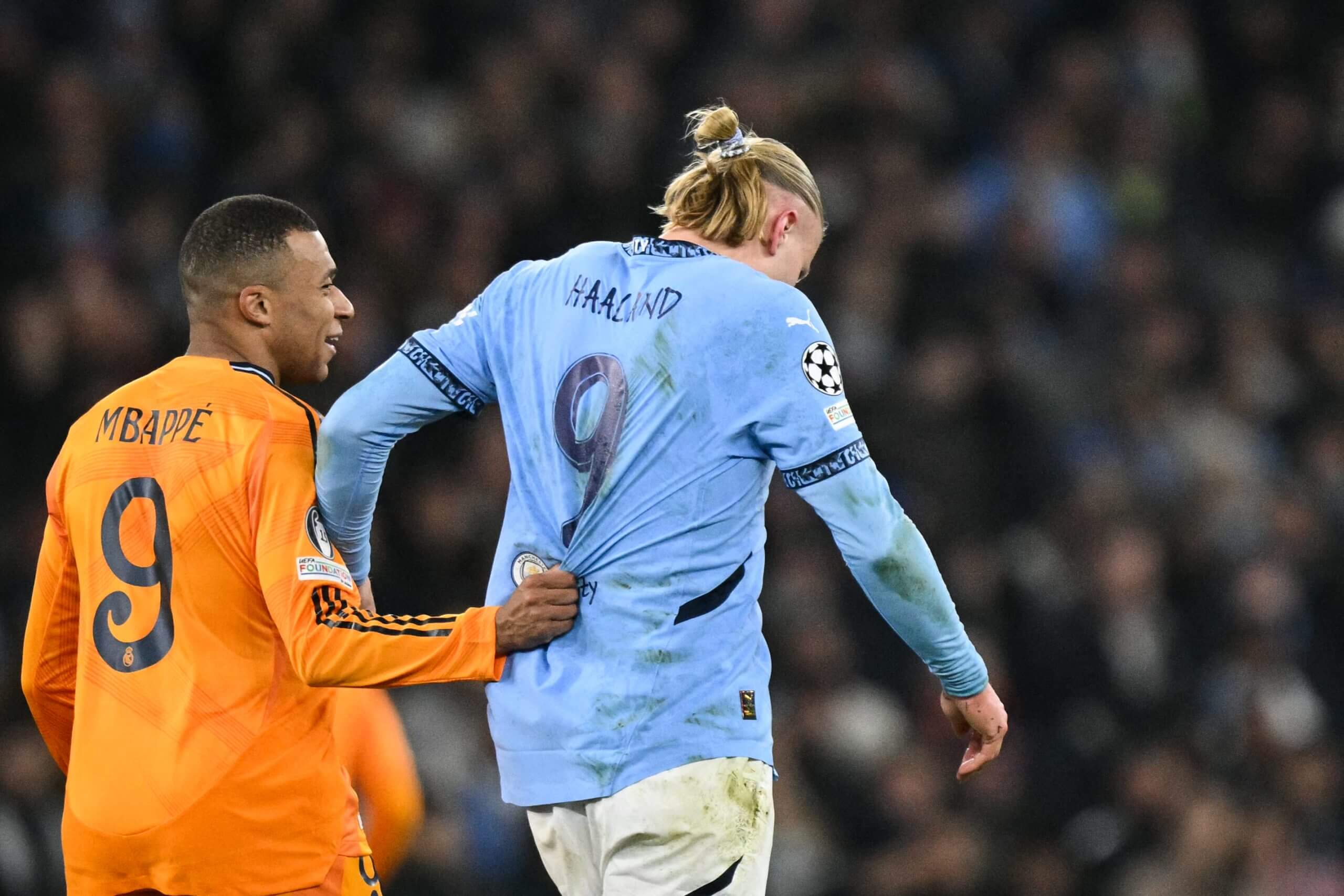
According to recent analysis from ESPN, Senegal won the African Cup in 2022. Norway has Erling Haaland, arguably the world’s most prolific striker.
Yet the data tells a different story. According to ESPN’s Elo rating analysis, Group I ranks as the 32nd-toughest group in World Cup history. It’s the weakest “Group of Death” in the modern era.
This shift stems directly from how World Cup qualification by confederation has restructured the tournament. The 48-team format means weaker nations now qualify where 32-team tournaments excluded them entirely.
According to FIFA’s official tournament expansion details, this represents an unprecedented shift in how confederations distribute World Cup qualification spots.
Group Composition and Rankings Analysis
| Metric | Group I | 1982 Group C | 1954 Brazil Group |
| Teams | France, Senegal, Norway, Playoff | Italy, Brazil, Argentina, Cameroon | Brazil, France, Mexico, Yugoslavia |
| Avg FIFA Rank | 13 | 5 | 3 |
| Avg Elo Rating | 1865.5 | 1920+ | 1950+ |
| Historical Rank | 32nd-toughest | 3rd-toughest | 1st-toughest |
| Era | 2026 | 1982 | 1954 |
Group I looks fierce on paper. France ranks 3rd in the world. Senegal sits 24th after winning AFCON. Norway ranks 11th with elite attacking talent.
But the playoff winner weakens everything. According to Opta Analyst rankings, Bolivia ranks 49th, Iraq 62nd, Suriname 93rd. That fourth team pulls the entire group’s average down significantly.
The math shows the problem clearly. When you average France (3rd), Senegal (24th), Norway (11th), and Bolivia (49th), the group average ranking becomes 26.75. Compare that to 1982’s Italy, Brazil, and Argentina group at 5.0 average. The gap is enormous.
Four Structural Reasons Groups Are Weaker in 2026
Expansion Added 16 New Teams (Many Weak)
The jump from 32 to 48 teams represents a 50% increase in participating nations. More spots means more borderline qualifiers enter the tournament.
Cape Verde, Curaçao, Jordan, and Uzbekistan are making their debuts or returning after decades away. These teams wouldn’t have qualified in a 32-team format where competition for spots was fiercer.
When you distribute spots across more nations through World Cup qualification by confederation, you inevitably include weaker teams. The CAF got nine spots instead of five. AFC got eight spots instead of four.
Host Nations Got Weak Pot 1 Seeds
Mexico automatically qualifies as a host nation and gets seeded into Pot 1. This is unprecedented because Mexico ranks 15th in the world, far weaker than traditional Pot 1 teams.
Canada ranks even lower at 49th and also goes into Pot 1. In previous tournaments, only the absolute elite teams (ranked 1-12) occupied Pot 1 alongside hosts.
This seeding structure drags group averages down across the tournament. Mexico’s group immediately becomes weaker because the hosts occupy a slot usually reserved for powerhouses like Spain, France, or Argentina.
The USA ranks 14th and also qualifies as a host. At least the United States is stronger than co-hosts Mexico and Canada, minimizing some damage.
Third-Place Teams Now Advance (Reduces Stakes)
The old format required top-two finishes to advance. Now the top two from each group automatically qualify, while eight best third-place teams also reach the Round of 32.
This means 32 of 48 teams reach the next stage, a 67% advancement rate. In the 32-team format, exactly 16 teams advanced from group stages, a 50% rate.
When nearly two-thirds of teams survive, stakes diminish significantly. Teams can afford losses and draws that would be fatal in the old format.
Compare 2022 to 2026. Argentina’s shock loss to Saudi Arabia felt devastating because Argentina couldn’t afford another slip. In 2026, similar losses matter far less since eight third-place teams still qualify.
Four-Team Groups Dilute Talent Concentration
FIFA initially considered 16 groups of three teams. They switched to 12 groups of four to reduce collusion risks in final matches.
Three-team groups force every match to be crucial. With four teams, one match between weaker sides becomes less important to tournament narrative.
If Group I were three teams (France, Senegal, Norway), the competitive intensity would increase substantially. Adding a fourth team, even a weak playoff winner, spreads focus and reduces drama.
This format choice mathematically dilutes the concentration of elite talent within each group. Nine matches total across four groups can include dead-rubber contests between two weak sides.
How Bad Is Group I Really?
Only two groups in World Cup history rank weaker than 2026’s Group I. The 1930 World Cup’s Group 4 featured the USA, Paraguay, and Belgium.
The 1954 World Cup’s Group 1 had Yugoslavia, Brazil, France, and Mexico. Despite Brazil being present, the overall group quality was lower than Group I.
This places Group I at the absolute bottom tier of “Groups of Death.” It’s toughest at 2026 specifically, but historically weak compared to truly difficult groups.
The 1982 World Cup’s Group C remains legendary: Italy, Brazil, Argentina, and Cameroon. That group’s Elo rating exceeded 1920. Group I barely reaches 1865.
Group L and the Competitiveness Question
Group L (England, Croatia, Ghana, Panama) generates debate about whether it might be tougher than Group I. England reaches World Cup finals regularly. Croatia reached the 2018 final.
However, the data shows Group I remains marginally tougher. England’s strength doesn’t offset Group L’s overall weaker composition. Ghana ranks 71st after years of decline. Panama ranks 45th.
Group I’s average is slightly higher when you calculate across all four teams and potential playoff winners. France’s elite status alone gives Group I an edge over Group L.
Still, both groups are historically weak for “Groups of Death.” Neither approach the competitive intensity of legendary groups from the 1980s or 1990s.
Tournament-Wide Weakness: Four of Fifteen Weakest Groups Ever
Group G (Belgium, Egypt, Iran, New Zealand) ranks as the seventh-weakest group in history. Belgium’s “Golden Generation” has passed. Iran and Egypt provide competitive but not elite opposition.
Group A (Mexico, South Korea, South Africa) gives Mexico an easy draw as hosts. Group B (Canada, Switzerland, Qatar) similarly favors host nation Canada.
According to ESPN’s analysis, four of the 15 weakest groups in World Cup history will occur in 2026. This represents an unprecedented concentration of weak groups in a single tournament.
The 48-team expansion through World Cup qualification by confederation directly caused this phenomenon. More teams in earlier qualification rounds meant weaker nations made it through.
What This Means for Tournament Drama
Contenders will secure advancement by the second match in most groups. France, Spain, and Argentina likely lock in Round of 32 spots before their final group matches.
This removes the must-win desperation that characterized previous World Cups. Every team plays 104 matches total across the tournament, up from 64 in 2022.
Yet the group stage loses intensity when favorites face minimal jeopardy. Early rounds won’t feature the chaos and upsets that make World Cups memorable.
Teams will rotate players more freely in final group matches once advancement is assured. This reduces competitive quality compared to previous tournaments where every group match carried life-or-death stakes.
The Format Paradox: Bigger Tournament, Weaker Groups
FIFA expanded to 48 teams to grow the sport globally and increase tournament revenue. More matches generate more income for FIFA and host nations, according to Sports Illustrated’s analysis.
But expansion came with a trade-off: weaker average competition. This applies especially to group stages where weak teams now face strong teams more frequently.
The Round of 32 and beyond will remain highly competitive. Weak teams rarely survive to the knockout rounds, where single-elimination eliminates underperformers quickly.
Yet the narrative arc of the tournament changes. Fewer early shocks mean fewer underdog stories, fewer David-versus-Goliath moments in group stages.
FAQs
What Is a Group of Death?
A tournament group containing two or three elite teams where advancement becomes genuinely uncertain. Traditional groups of death featured minimal weak spots, creating maximum drama throughout group stage.
Does Group I Still Count as Group of Death?
Yes, but by 2026 standards only. Historically, Group I ranks among the weakest “Groups of Death” ever. France, Senegal, and Norway are strong, but the overall group is weak by World Cup history.
Why Does Elo Rating Matter More Than FIFA Rankings?
Elo ratings use consistent methodology across decades, allowing genuine historical comparison. FIFA rankings reflect current form but change frequently, making historical context impossible.
Which 2026 Group Is Easiest?
Group A (Mexico, South Korea, South Africa) averages the lowest FIFA ranking at 36.3. Mexico automatically advances as hosts, making this the easiest group for contenders.
Will Weak Groups Change How 2026 Plays Out?
Yes. Top contenders will likely secure advancement by matchday two, reducing early tournament drama. Compare 2022 where contenders faced jeopardy throughout group stages.
Are Other 2026 Groups Also Weak?
Four of the fifteen weakest groups in World Cup history will occur at 2026. Groups G, A, and B are all historically weak compared to previous tournaments.
What Percentage of Teams Advance From Groups in 2026?
Thirty-two of forty-eight teams reach Round of 32, a 67% advancement rate. This compares to 50% in previous 32-team formats, reducing group-stage stakes substantially.


