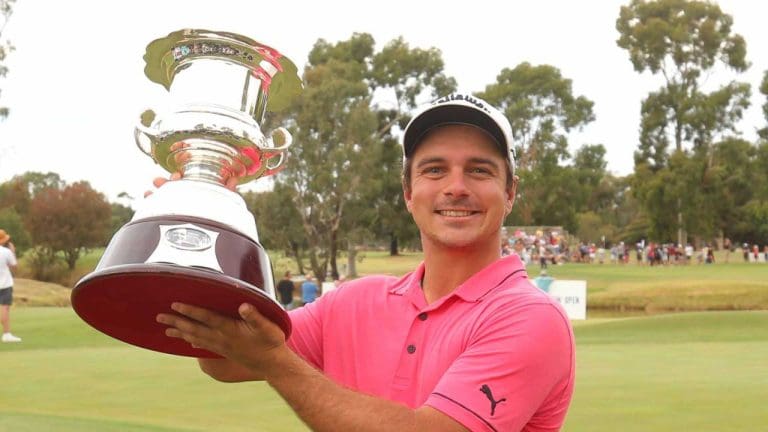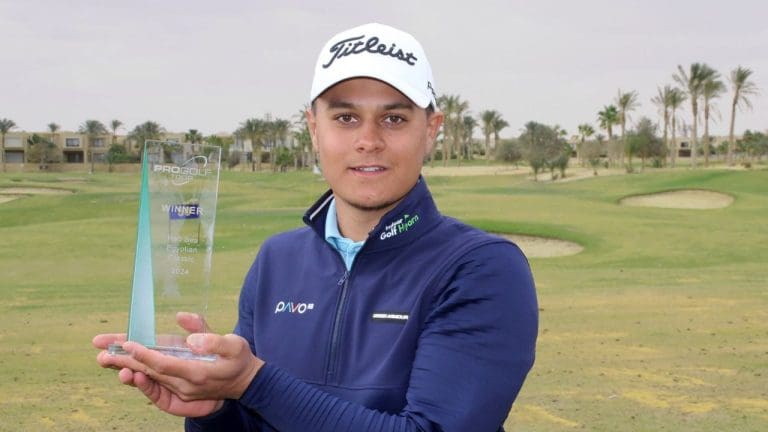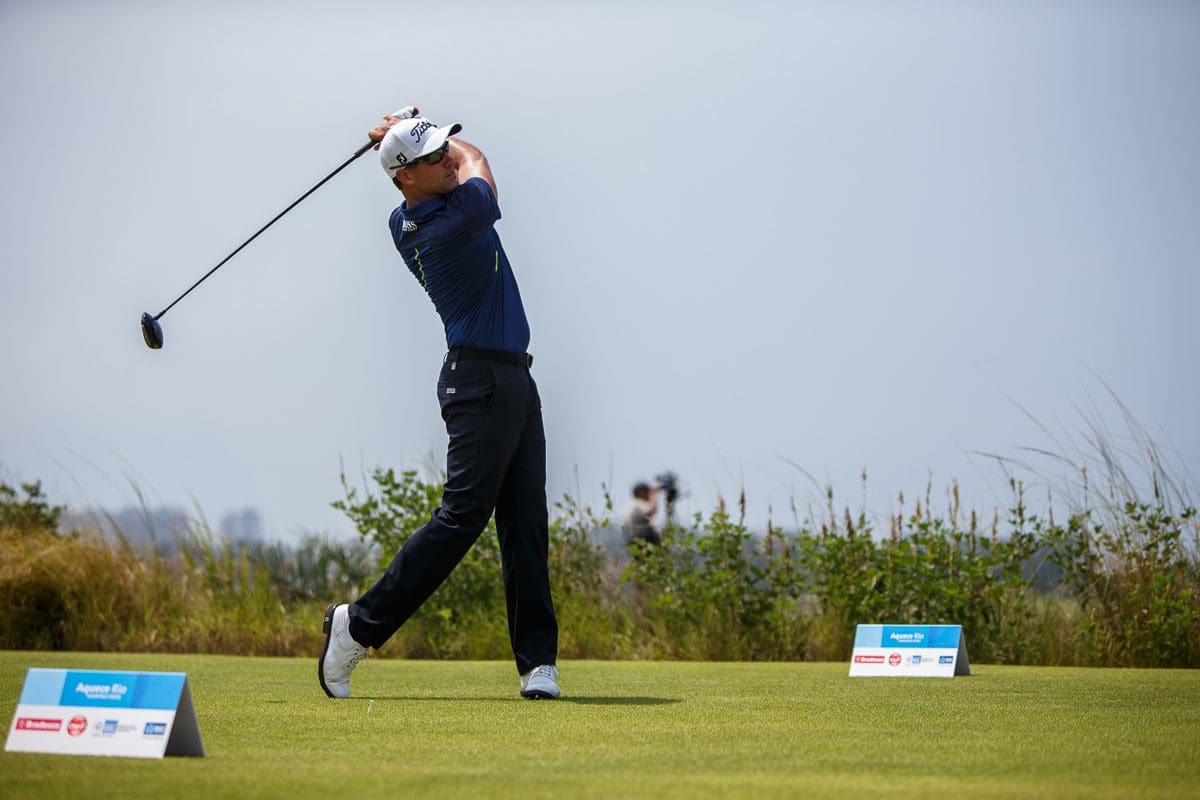
Brazil golfers net worth tells the story of a nation still building its professional golf presence. The country doesn’t have dozens of tour millionaires yet. What it has is a small group of dedicated pros who’ve carved out respectable careers on international circuits.
The combined wealth sits somewhere around $5-10 million total across Brazil’s top five golfers. That’s modest compared to major golf nations. But for South America’s largest country, it represents real progress in a sport still growing there.
Discover the Brazilian golf players biography and net worth by clicking on their name.
| PGA Tour | DP World/Other |
| Fred Biondi | Rodrigo Lee |
Top Richest Brazilian Golfers
| Rank | Golfer | Net Worth | Career Earnings | Major Wins | Active/Retired | Primary Tour |
| 1 | Adilson da Silva | ~$3M | $437,786+ | 0 | Active | Legends Tour/European Senior |
| 2 | Alexandre Rocha | ~$2M | $500K+ | 0 | Active | DP World Tour |
| 3 | Matheus Bacchieri | ~$1M | $300K+ | 0 | Active | Regional/Latin America |
| 4 | Rafael Becker | ~$800K | $250K+ | 0 | Active | Regional Tours |
| 5 | Alexandre Baladan | ~$500K | $200K+ | 0 | Semi-Retired | Regional Tours |
Adilson da Silva leads Brazil’s golf wealth rankings despite never reaching PGA Tour status. His $437,786 in documented career earnings represents decades of grinding through European, Asian, and senior tours.
The gap between Brazil and golf powerhouses is enormous. Compare da Silva’s career earnings to a mid-tier American player earning $5-10 million. That’s the reality of building a golf career from a non-traditional golf country.
Alexandre Rocha spent years competing on the European Tour and DP World Tour without major breakthrough wins. His estimated $2 million net worth comes from consistent check-cashing and longevity rather than victories.
Who is the Richest Golfer from Brazil?
Adilson da Silva sits atop Brazil’s golf wealth ladder at approximately $3 million net worth. That number combines his $437,786 in official tour earnings plus decades of teaching, appearances, and regional tournaments.
He turned pro in 1994 and spent thirty years building his fortune piece by piece. His career highlights include representing Brazil at the 2016 Rio Olympics, where he became the first golfer since 1904 to hit an Olympic tee shot in a new era.
Da Silva now competes on the European Legends Tour after transitioning from regular tour play. His 2025 season included a runner-up finish at the European Legends Cup, showing he’s still competitive in his 50s.
His income sources diversify beyond pure tournament golf. Teaching at Brazilian clubs, running clinics, and leveraging his Olympic fame provide steady revenue streams. That’s how players from emerging golf nations build wealth when tour earnings stay modest.
Regional tournaments in South America pay far less than PGA or European events. But they add up over decades. Da Silva played everywhere prize money existed, maximizing every opportunity.
Earnings Growth Analysis
Brazilian golfers show slow but steady wealth accumulation. Nobody’s getting rich quick. But the trend line points upward as golf infrastructure improves in Brazil.
| Golfer | 2015 Net Worth | 2020 Net Worth | 2025 Net Worth | Growth % | Key Wealth Drivers |
| Adilson da Silva | ~$2M | ~$2.5M | ~$3M | 50% | European Senior Tour, Olympic fame |
| Alexandre Rocha | ~$1.2M | ~$1.6M | ~$2M | 67% | DP World Tour consistency |
| Matheus Bacchieri | ~$400K | ~$700K | ~$1M | 150% | Latin American tour wins |
| Rafael Becker | ~$300K | ~$500K | ~$800K | 167% | Regional success, teaching |
| Alexandre Baladan | ~$400K | ~$450K | ~$500K | 25% | Semi-retirement transition |
Da Silva’s 50% growth over ten years reflects senior tour economics. Prize money exists but doesn’t compare to regular tour events. His Olympic appearance in 2016 provided a marketing boost that extended his earning window.
Rocha’s 67% growth shows what DP World Tour access means. Even without wins, regular top-50 finishes generate six-figure annual earnings that compound over time.
Younger Brazilian pros like Bacchieri show faster growth percentages from lower starting points. As Latin American tour purses increase, these percentages should continue rising.
Income Source Breakdown
Brazilian golfers rely heavily on mixed income streams. Pure tournament earnings rarely suffice. Teaching, clinics, and regional events fill the gaps.
| Golfer | Tournament Earnings | Endorsements (Annual) | Business Ventures | Total Annual Income |
| Adilson da Silva | $50K-$80K | $30K-$50K | $40K-$60K (teaching) | $120K-$190K |
| Alexandre Rocha | $60K-$100K | $20K-$40K | $30K-$50K | $110K-$190K |
| Matheus Bacchieri | $40K-$70K | $15K-$25K | $25K-$40K | $80K-$135K |
Da Silva’s tournament income dropped as he aged but teaching income increased. Golf academies in Brazil pay well for Olympic-credentialed instructors. That income stability matters more than occasional big tournament checks.
Endorsements for Brazilian golfers stay modest. Local equipment shops, regional clothing brands, and small sponsorships provide supplemental income but nothing life-changing.
The business ventures column tells the real story. Most Brazilian pros teach extensively. Running clinics, giving lessons, and working with junior programs provides reliable income that tournament golf alone cannot.
Why Brazil Produces So Few Tour Millionaires
Golf infrastructure remains limited despite Brazil’s massive population. The country has roughly 120 golf courses for 215 million people. That’s less than one course per 1.7 million residents.
Climate favors year-round play but high costs restrict access. Club memberships cost thousands of dollars in a country where median income stays relatively low. Golf remains elitist, limiting talent pool development.
Soccer dominates Brazilian sports culture completely. Every kid dreams of football glory. Golf barely registers as an option for most families. The talent that might produce great golfers flows to soccer instead.
Despite these barriers, Brazil keeps producing tour-level players. Da Silva’s Olympic moment raised golf’s profile nationally. That visibility should help future generations access the sport more easily.
FAQs
Who is the richest golfer from Brazil?
Adilson da Silva is Brazil’s richest golfer with approximately $3 million net worth, built from $437,786 in career tournament earnings plus decades of teaching and appearances. He represented Brazil at the 2016 Rio Olympics and currently competes on the European Legends Tour.
How much do Brazil golfers earn from tournaments?
Top Brazilian golfers typically earn $50,000-$100,000 annually from tournament play, significantly less than PGA Tour players. Most supplement tournament income with teaching, clinics, and regional events to build sustainable careers in professional golf.
How many Brazil golfers play on major tours?
Currently, only a handful of Brazilian golfers compete on major international tours like the DP World Tour, with most playing regional Latin American circuits. Alexandre Rocha remains the most visible Brazilian on the DP World Tour, while Adilson da Silva competes on the senior circuit.
Has a Brazil golfer won on the PGA Tour?
No Brazilian golfer has won on the PGA Tour yet. Brazil’s top players have competed primarily on European, Asian, and Latin American tours with limited PGA Tour access. Adilson da Silva made history as Brazil’s Olympic representative when golf returned to the Games in 2016.