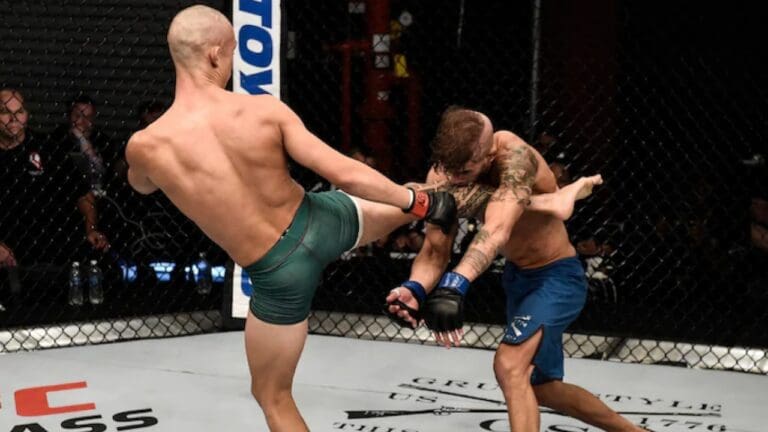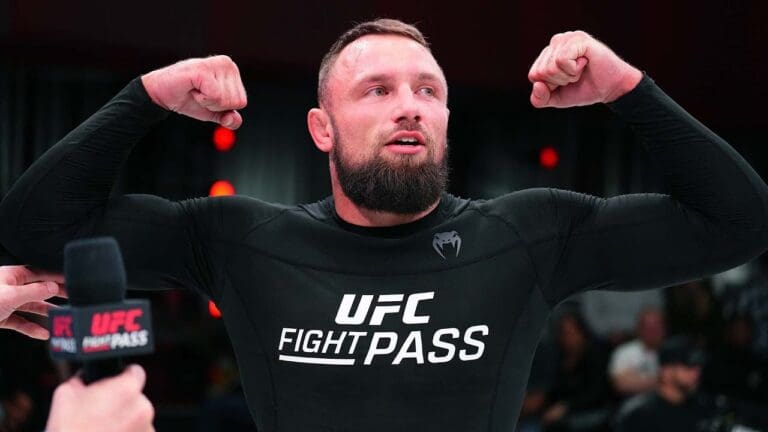
I’ve lost count of the number of favorites knocked out in the first round by fighters no one gave a chance. Weeks of hype about the champion’s skills and experience mean nothing once the cage door closes.
One clean shot from an unranked opponent and an upset happens. UFC underdogs win at double the rate most casual fans would guess.
Those wins aren’t flukes. I’ve tracked the patterns across every weight class and three trends stand out. Smaller fighters pull upsets far more often than heavyweights because one shot matters more at lighter weights.
Grapplers beat strikers as underdogs more than strikers beat grapplers. Late replacements who take fights on a week’s notice somehow win when they shouldn’t. Here’s why these patterns exist and what they mean for anyone trying to pick winners.
One Shot Changes Everything
Boxing gives you a standing eight count after getting dropped. MMA offers no such safety net. I’ve watched fighters dominate for four minutes and then get caught and lose in seconds.
That’s why checking UFC odds before any card reveals massive spreads on knockout artists. Bookmakers understand what casual bettors miss: anyone in the octagon can end the fight with one punch.
Styles Create Unexpected Results
Dominant wrestlers run into submission specialists who want the fight on the ground. Heavy strikers who swing for power get picked apart by faster fighters throwing twice as many punches. According to research from the UFC Performance Institute, these style matchups predict outcomes just as well as rankings do.
This phenomenon explains why the biggest upsets happen. Fighters prepare entire camps for specific opponents, then their gameplan crumbles within seconds when styles don’t match up.
Late Replacements Beat the Odds
Fighters who take bouts on less than two weeks’ notice win more than you’d expect despite brutal disadvantages. No full camp, no specific prep, and often fighting outside their weight class should doom them. The reasons why they succeed anyway:
- Favorites overlook short-notice opponents and stick to their original game plan
- Last-minute replacements have nothing to lose and fight with complete freedom from pressure
- Limited prep time means less overthinking and more instinctive fighting
- Weight cuts get rushed, which sometimes benefits the replacement more than the favorite
Pressure Breaks Champions
Title fights create mental pressure that no amount of training replicates. I’ve watched undefeated prospects completely freeze once the belt goes on the line. Meanwhile their opponent, dismissed as an easy win, fights loose with nothing to lose. You can see this mental gap play out in every exchange.
Favorites fight cautiously to protect what they’ve built. On the other hand, underdogs swing without fear because falling in the rankings means nothing when you weren’t expected to compete anyway.
Hype Doesn’t Win Fights
The media builds storylines around big names and past achievements instead of analyzing current form. Meanwhile, the UFC’s promotional machine pumps up aging stars, which inflates betting lines on fighters well past their prime.
That’s exactly where sharp bettors find value by ignoring the narrative, studying recent training footage, and betting against anyone returning from a year-plus layoff.
What all these patterns prove is simple: the octagon rewards preparation over reputation. Short-notice replacements, style advantages, and mental composure create upsets at rates that make underdogs better bets than most people realize.