Cryotherapy is one of the fastest growing services in fitness and wellness. Gyms, recovery studios, physiotherapy clinics and spas add it because sessions are short, need very little staff time and clients come back every week.
For an owner the first question is always the same: how much does it cost, and how quickly does it pay for itself?
The answer depends on more than the price of the machine. The real cryotherapy chamber cost includes the unit, installation, power supply and running costs over several years. Owners who plan all four from the start open on budget and reach payback sooner.
What Goes Into Cryotherapy Chamber Cost
A realistic budget covers five items:
- The chamber itself. Price depends on the cooling technology, size and build quality, so manufacturers usually quote per project.
- Electrical work. Larger units often need a dedicated supply. In older buildings this line can surprise you.
- Room preparation. Ventilation, floor strength and ceiling height.
- Delivery and installation. These are heavy machines, so plan the route through the building in advance.
- Staff training. Usually a small cost, and often included by good suppliers.
Cryotherapy Running Costs: Electric vs Nitrogen
Nitrogen Cryotherapy Chambers
These cost less to buy and more to run. Every session uses liquid nitrogen, so you pay for gas, deliveries and safe storage, and the price changes with the market. For a studio running twenty or thirty sessions a day, gas becomes one of the biggest monthly bills.
Electric Cryotherapy Chambers
An electric cryotherapy chamber costs more upfront and then needs only electricity and routine service. Monthly costs stay predictable, there are no deliveries to manage and no gas to store, which landlords of retail units appreciate. For busy locations, electric models almost always come out cheaper over five years.
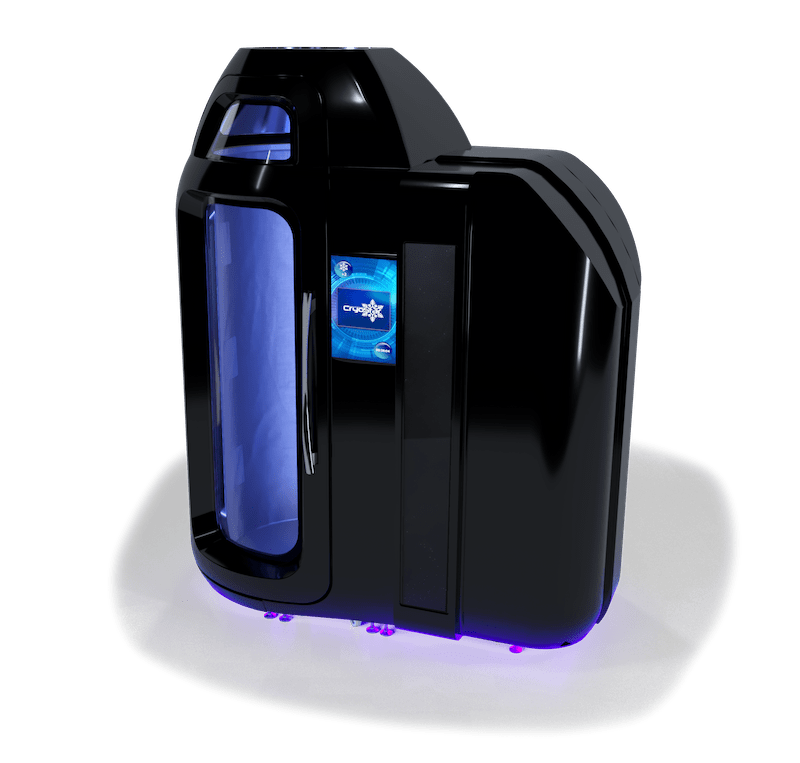
Choosing between electric and nitrogen cooling sets your running costs for years ahead.
How Much Clients Pay for Cryotherapy
In most US cities a single session costs roughly $40 to $90. Packages and monthly memberships lower the price per visit and keep clients coming back regularly. A session takes about ten minutes of room time including changing, and one staff member can run the chamber alongside other duties.
How to Speed Up Cryotherapy Chamber Payback
Owners who reach payback fastest use four simple levers:
- Sell packages and memberships. Prepaid sessions fill the schedule and smooth cash flow.
- Start with your existing clients. Adding cryotherapy to a gym or clinic with an active client base is far cheaper than finding new customers from scratch.
- Plan for peak hours. Demand is highest early in the morning and after work, so build your forecast around those hours.
- Combine services. Pairing cold with compression, red light or longevity capsules raises the average spend per visit without extra staff.
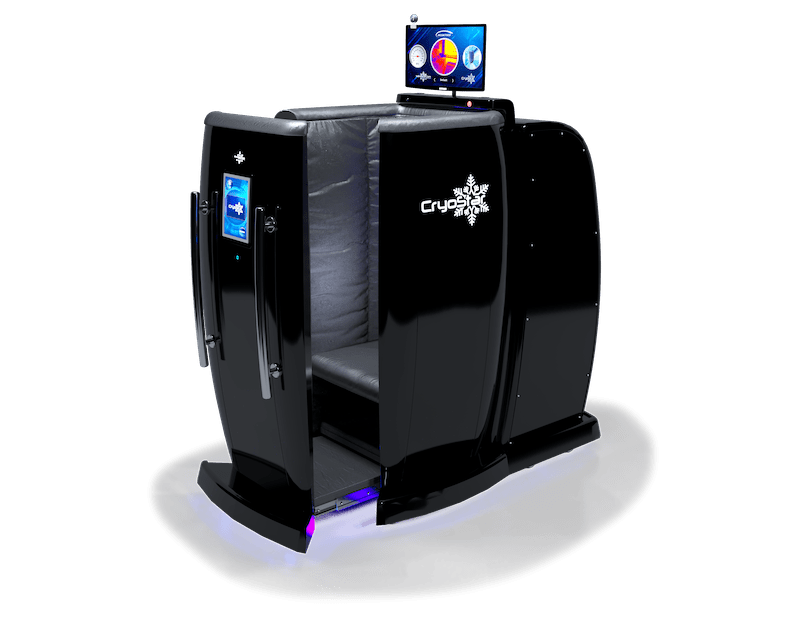
Short sessions and minimal staff time make cryotherapy one of the most efficient services in a studio.
Is a Cryotherapy Chamber Safe to Run?
With trained staff, a short intake questionnaire and supervised sessions, cryotherapy is a simple service to operate. Clients with heart or blood pressure conditions should check with a doctor first.
Final Word on Cryotherapy Chamber Cost
A cryotherapy chamber is one of the most efficient pieces of equipment a wellness business can add: short sessions, loyal clients and very little labour.
Plan the full cost, choose the right cooling technology and fill the schedule, and the chamber pays for itself well within its working life.
VacuActivus, the company behind the Cryonick line, has built cryotherapy equipment since 2000 and helps studios, clinics and sports clubs in more than 50 countries plan, install and run their chambers.
RELATED ARTICLES