
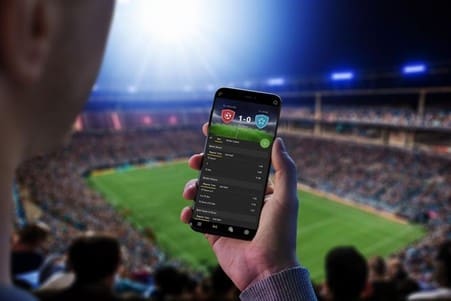
I watched my first match on a grainy stream in 2008 because I couldn’t afford stadium tickets every week. The quality was terrible and the delay meant my phone buzzed with goal notifications before I saw them happen.
Now I watch more matches on my phone than I ever attended in person, but the experience feels more connected.
Digital platforms haven’t just replaced stadium attendance. They’ve created an entirely new way of experiencing sport. Here’s how technology is changing what it means to be a fan.
The Shift From Passive Watching to Active Participation
Traditional TV coverage gave you one camera angle and a commentary team’s perspective. Modern platforms let you choose angles, access real-time statistics, and interact with other fans while the match unfolds.
Even emerging broker-style services like Probet42 are building interfaces that integrate live odds and data feeds, showing how widespread the shift toward interactive viewing has become.
This shift matters because younger fans expect participation, not just observation. Deloitte’s 2023 Digital Media Trends survey found that 48% of Gen Z sports fans use second screens while watching live events, checking stats, debating calls in group chats, and following multiple matches simultaneously.
The experience isn’t inferior to stadium attendance. It’s fundamentally different and serves different needs. I still go to big matches when possible, but digital platforms let me follow my team every week regardless of geography or budget.
What Digital Platforms Actually Deliver
The best platforms understand that fans want control over their experience. This isn’t theoretical.
MLS Season Pass and the NBA App now offer multiview for up to four games, and Prime Video’s Thursday Night Football augments streams with Next Gen Stats overlays.
These platforms deliver experiences traditional broadcasts couldn’t match. The key improvements that separate modern streaming from old-school TV include:
- Multi-angle viewing that lets you isolate specific players or tactical setups during live play
- Instant access to historical stats and head-to-head records without leaving the stream
- Social features that create virtual viewing parties with friends across different locations
- Personalized highlights that learn which moments and players you care about most
Research from MIT’s Sports Innovation Lab shows that fans who use second-screen features during matches spend 23% more time engaged compared to those watching only the linear TV feed.
The engagement isn’t just longer but deeper, with users actively seeking context rather than passively receiving whatever the broadcaster provides.
The Economics Behind the Change
Leagues increasingly treat digital as a companion to live attendance. Surveys show fans want the same stats and replays in-venue that they get at home, especially Gen Z and Millennials. This suggests digital can complement gate revenues rather than hurt them.
Major sports leagues have adapted their digital strategies to embrace this reality. The NBA’s new U.S. media deals from 2025-2036 lean heavily into streaming with Amazon Prime Video and Peacock alongside ESPN and NBC, signaling where the industry expects growth.
Industry research shows this shift is happening because leagues recognized that digital platforms expand top-of-funnel engagement, with owned platforms generating twice the revenue of social media.
Younger audiences discover teams through social media clips, then seek full matches on streaming platforms, and eventually want the stadium experience. The funnel works in reverse of how traditional sports marketing operated for decades.