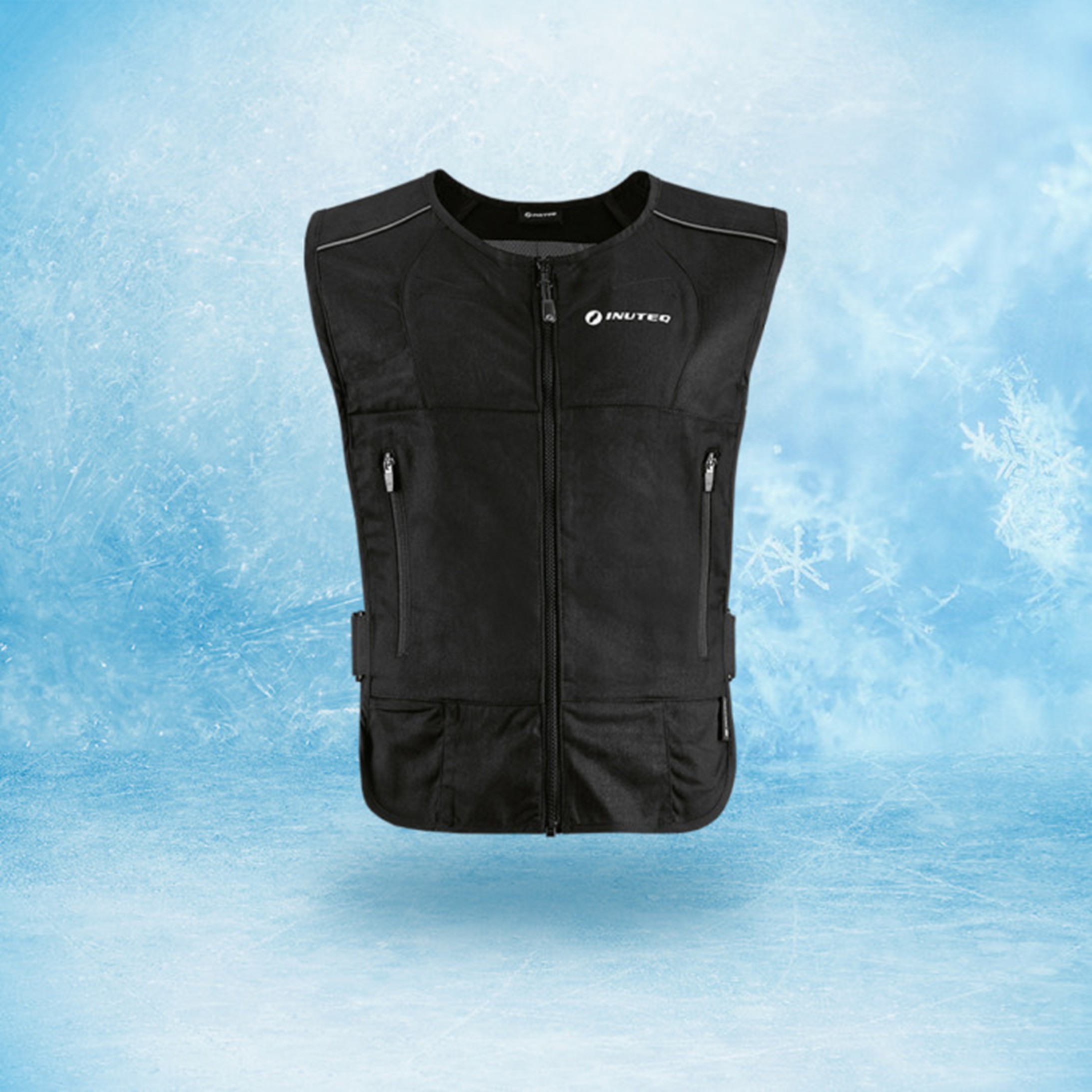
As global temperatures continue to rise and heatwaves become more frequent and intense, protecting yourself from heat-related illnesses is no longer optional-it’s essential.
Heat exhaustion, in particular, is one of the most common and dangerous conditions caused by prolonged exposure to high temperatures.
Fortunately, innovative solutions like a cooling vest are making it easier than ever to stay safe, comfortable, and productive even in extreme heat.
Understanding Heat Exhaustion
Heat exhaustion occurs when the body overheats due to excessive exposure to high temperatures, especially when combined with dehydration.
It’s a serious condition that can quickly escalate into heatstroke if not addressed promptly. Common symptoms include heavy sweating, weakness, dizziness, headache, nausea, and a rapid pulse.
Certain groups are particularly vulnerable, including outdoor workers, athletes, construction crews, cyclists, and even festival-goers or travelers in hot climates. However, anyone can be affected when temperatures soar beyond comfortable limits.
Why Traditional Cooling Methods Fall Short
Most people rely on conventional cooling methods such as drinking cold water, seeking shade, or using fans. While these strategies help, they are often insufficient during prolonged exposure to extreme heat.
Once your core body temperature rises significantly, passive cooling methods struggle to bring it down quickly enough.
Air conditioning is effective but not always accessible-especially for those working outdoors or in environments where climate control isn’t possible. This is where wearable cooling technology becomes a game changer.
What Is a Cooling Vest?
A cooling vest is a specially designed garment that helps regulate body temperature by actively removing heat from the body.
These vests use advanced cooling technologies such as evaporative cooling, phase change materials (PCM), or gel-based systems to maintain a stable and comfortable temperature for extended periods.
Unlike simply pouring water on your skin or standing in front of a fan, a cooling vest provides continuous, targeted cooling to your core-the most critical area for temperature regulation.
How Cooling Vests Prevent Heat Exhaustion
The effectiveness of a cooling vest lies in its ability to stabilize your body’s internal temperature. Here’s how it works:
- Regulating Core Temperature: The human body functions best within a narrow temperature range. When exposed to heat, your body works overtime to cool itself through sweating. A cooling vest reduces this burden by absorbing excess heat and keeping your core temperature in check.
- Reducing Sweat Loss and Dehydration: By keeping your body cooler, a cooling vest reduces excessive sweating. This helps preserve hydration levels, which is crucial in preventing heat exhaustion.
- Improving Comfort and Performance: When your body isn’t struggling to cool itself, you feel less fatigued and more focused. This is particularly important for workers and athletes who need to maintain high performance levels despite harsh conditions.
- Providing Consistent Cooling Over Time: Unlike temporary solutions, cooling vests offer sustained relief. Depending on the type, they can provide cooling for several hours, making them ideal for long shifts or extended outdoor activities.
Who Can Benefit Most?
Cooling vests are incredibly versatile and beneficial for a wide range of users:
- Outdoor workers such as construction crews, road workers, and agricultural laborers
- Athletes training or competing in hot environments
- Emergency responders who must wear heavy protective gear
- Cyclists and hikers exploring hot climates
- Event attendees at festivals or outdoor gatherings
- People with heat sensitivity or certain medical conditions
In short, anyone exposed to prolonged heat can benefit from the added protection of a cooling vest.
Types of Cooling Vests
There are several types of cooling vests available, each suited to different needs:
- Evaporative Cooling Vests: Activated with water and rely on evaporation to cool the body. Lightweight and reusable.
- Phase Change Cooling Vests: Use special inserts that maintain a constant temperature for extended periods. Ideal for consistent cooling.
- Ice or Gel Cooling Vests: Provide intense cooling but typically for shorter durations.
Choosing the right type depends on your activity level, environment, and personal comfort preferences.
Practical Tips for Using a Cooling Vest
To get the most out of your cooling vest, consider the following tips:
- Stay hydrated even when using a vest
- Choose the right fit to ensure effective contact with your body
- Use in combination with other strategies like shade and rest breaks
- Follow manufacturer instructions for activation and maintenance
A Smart Investment in Safety
As extreme heat becomes more common, investing in personal cooling solutions is no longer a luxury-it’s a necessity.
A cooling vest is not just about comfort; it’s about protecting your health, maintaining productivity, and preventing potentially life-threatening conditions.
Whether you’re working under the blazing sun or enjoying outdoor activities during a heatwave, a reliable cooling solution can make all the difference.
To explore a wide range of innovative cooling solutions designed for performance and safety, visit Inuteq.
Final Thoughts
Heat exhaustion is preventable, but only if you take the right precautions. While traditional methods still play a role, modern solutions like cooling vests provide a far more effective way to manage body temperature in extreme conditions.
By incorporating wearable cooling technology into your routine, you can stay ahead of the heat, protect your health, and continue performing at your best-no matter how high the temperature rises.
RELATED ARTICLES